The impact of exercise on depression: how moving makes your brain and body feel better
- PMID: 39097997
- PMCID: PMC11298280
- DOI: 10.20463/pan.2024.0015
The impact of exercise on depression: how moving makes your brain and body feel better
Abstract
Purpose: This study aimed to comprehensively explore and elucidate the intricate relationship between exercise and depression, and focused on the physiological mechanisms by which exercise influences the brain and body to alleviate depression symptoms. By accumulating the current research findings and neurobiological insights, this study aimed to provide a deeper understanding of the therapeutic potential of exercise in the management and treatment of depression.
Methods: We conducted a systematic review of the scientific literature by selecting relevant studies published up to October 2023. The search included randomized controlled trials, observational studies, and review articles. Keywords such as "exercise," "depression," "neurobiology," "endocrinology," and "physiological mechanisms" were used to identify pertinent sources.
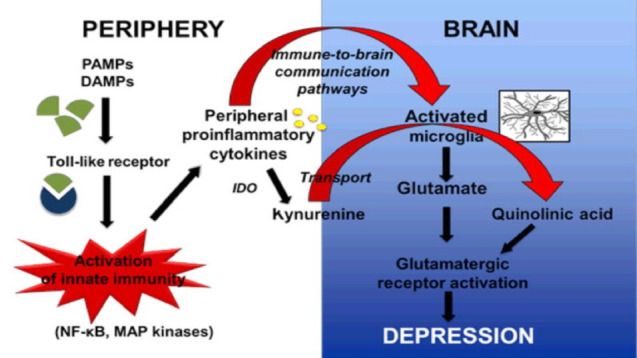
Results: Inflammation has been linked to depression and exercise has been shown to modulate the immune system. Regular exercise can (1) reduce the levels of pro-inflammatory cytokines, potentially alleviating depressive symptoms associated with inflammation; (2) help in regulating circadian rhythms that are often disrupted in individuals with depression; and (3) improve sleep patterns, thus regulating mood and energy levels.
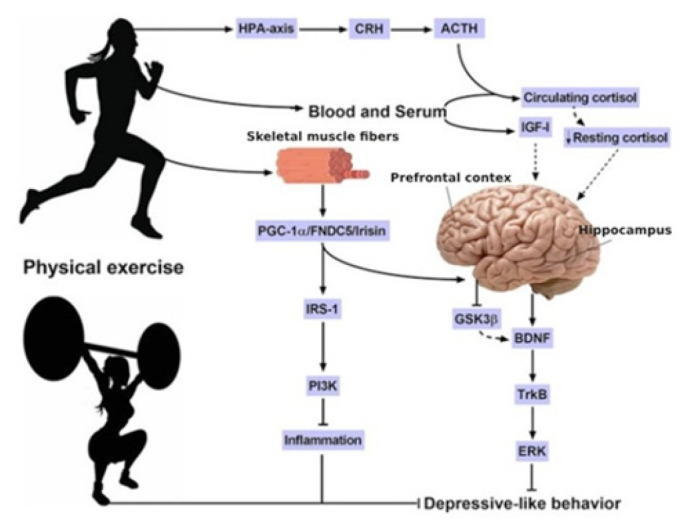
Conclusion: The mechanisms by which exercise reduces depression levels are multifaceted and include both physiological and psychological factors. Exercise can increase the production of endorphins, which are neurotransmitters associated with a positive mood and feelings of well-being. Exercise improves sleep, reduces stress and anxiety, and enhances self-esteem and social support. The implications of exercise as a treatment for depression are significant because depression is a common and debilitating mental health condition. Exercise is a low-cost, accessible, and effective treatment option that can be implemented in various settings such as primary care, mental health clinics, and community-based programs. Exercise can also be used as an adjunctive treatment along with medication and psychotherapy, which can enhance treatment outcomes.
Keywords: depression; endorphins; inflammation; neurotransmitters; physiological effects; social interaction.
Figures
References
-
- Schuch FB, Vancampfort D, Richards J, Rosenbaum S, Ward PB, Stubbs B. Physical activity and incident depression: a meta-analysis of prospective cohort studies. Am J Psychiatry. 2018;175:631–48. - PubMed
-
- Sadri I, Nikookheslat SD, Karimi P, Khani M, Nadimi S. Aerobic exercise training improves memory function through modulation of brain-derived neurotrophic factor and synaptic proteins in the hippocampus and prefrontal cortex of type 2 diabetic rats. J Diabetes Metab Disord. 2023;23:849–58. - PMC - PubMed
Grants and funding
LinkOut - more resources
Full Text Sources