


The interplay between doxorubicin chemotherapy, antioxidant system, and cardiotoxicity: Unrevealing of the protective potential of tannic acid
- PMID: 39099314
- PMCID: PMC11798539
- DOI: 10.1002/bab.2648
The interplay between doxorubicin chemotherapy, antioxidant system, and cardiotoxicity: Unrevealing of the protective potential of tannic acid
Abstract
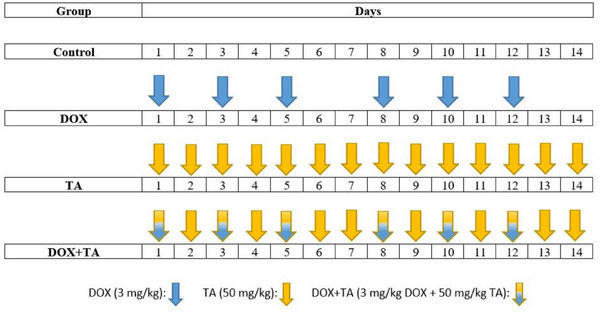
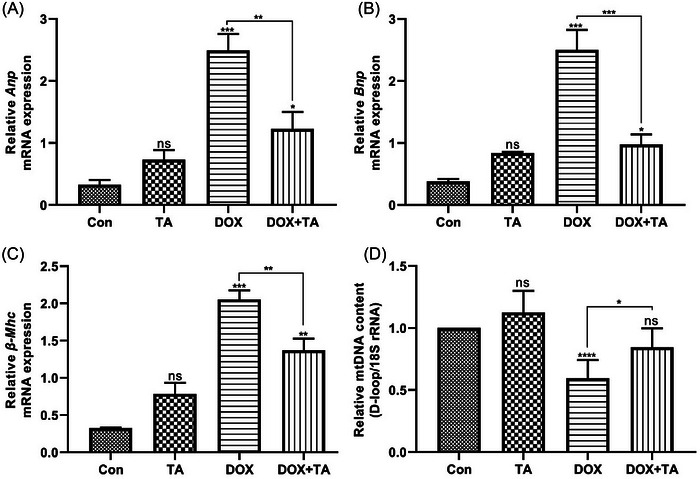
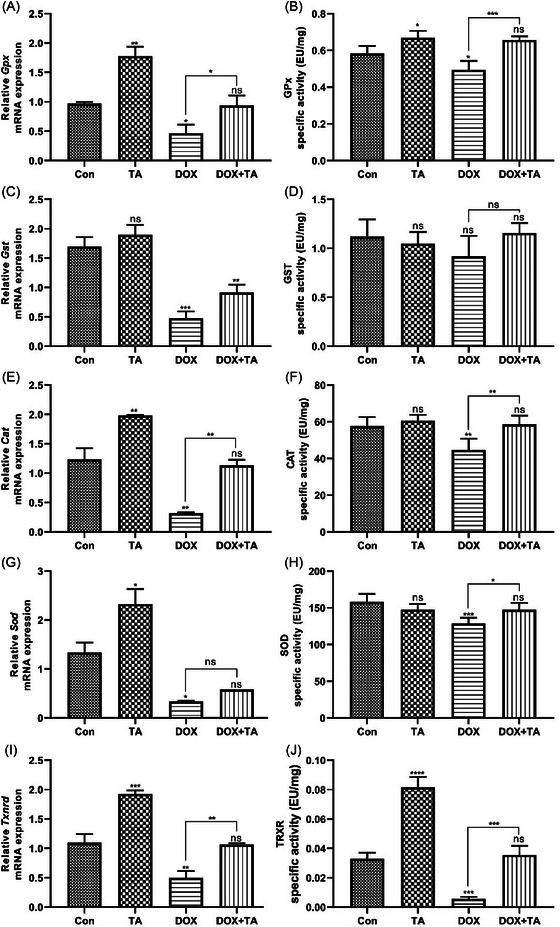
Cardiotoxicity is the leading side effect of anthracycline-based chemotherapy. Therefore, it has gained importance to reveal chemotherapy-supporting strategies and reliable agents with their mechanisms of action. Tannic acid (TA), a naturally occurring plant polyphenol, has diverse physiological effects, including anti-inflammatory, anticarcinogenic, antioxidant, and radical scavenging properties. Therefore, this study was designed to investigate whether TA exerts a protective effect on mechanisms contributing to anthracycline-induced cardiotoxicity in rat heart tissues exposed to doxorubicin (DOX). Rats were randomly divided into control and experimental groups and treated with (18 mg/kg) DOX, TA (50 mg/kg), and DOX + TA during the 2 weeks. Cardiac gene markers and mitochondrial DNA (mtDNA) content were evaluated in the heart tissues of all animals. In addition to major metabolites, mRNA expression changes and biological activity responses of components of antioxidant metabolism were examined in the heart tissues of all animals. The expression of cardiac gene markers increased by DOX exposure was significantly reduced by TA treatment, whereas mtDNA content, which was decreased by DOX exposure, was significantly increased. TA also improved antioxidant metabolism members' gene expression and enzymatic activity, including glutathione peroxidase, glutathione s-transferase, superoxide dismutase, catalase, and thioredoxin reductase. This study provides a detailed overview of the current understanding of DOX-induced cardiotoxicity and preventive or curative measures involving TA.
Keywords: antioxidant system; cardiotoxicity; doxorubicin; heart; tannic acid.
© 2024 The Author(s). Biotechnology and Applied Biochemistry published by Wiley Periodicals LLC on behalf of International Union of Biochemistry and Molecular Biology.
Conflict of interest statement
The authors declare no conflicts of interest.
Figures

References
-
- Öztürk N, Karağaç MS, Yeşilkent EN, Isıyel M, Tosun H, Karadaş H, et al. Exploring Esculetin's protective role: countering doxorubicin‐induced oxidative stress in rat heart. J Lab Anim Sci Pract. 2024;4(1):44–52. 10.5281/zenodo.10892230 - DOI
MeSH terms
Substances
Grants and funding
LinkOut - more resources
Full Text Sources
Medical
