Review
. 2024 Aug 12;9(1):200.
doi: 10.1038/s41392-024-01889-y.

Current advance of nanotechnology in diagnosis and treatment for malignant tumors

Affiliations
Review

Current advance of nanotechnology in diagnosis and treatment for malignant tumors

Bilan Wang et al. Signal Transduct Target Ther. .

Abstract

Cancer remains a significant risk to human health. Nanomedicine is a new multidisciplinary field that is garnering a lot of interest and investigation. Nanomedicine shows great potential for cancer diagnosis and treatment. Specifically engineered nanoparticles can be employed as contrast agents in cancer diagnostics to enable high sensitivity and high-resolution tumor detection by imaging examinations. Novel approaches for tumor labeling and detection are also made possible by the use of nanoprobes and nanobiosensors. The achievement of targeted medication delivery in cancer therapy can be accomplished through the rational design and manufacture of nanodrug carriers. Nanoparticles have the capability to effectively transport medications or gene fragments to tumor tissues via passive or active targeting processes, thus enhancing treatment outcomes while minimizing harm to healthy tissues. Simultaneously, nanoparticles can be employed in the context of radiation sensitization and photothermal therapy to enhance the therapeutic efficacy of malignant tumors. This review presents a literature overview and summary of how nanotechnology is used in the diagnosis and treatment of malignant tumors. According to oncological diseases originating from different systems of the body and combining the pathophysiological features of cancers at different sites, we review the most recent developments in nanotechnology applications. Finally, we briefly discuss the prospects and challenges of nanotechnology in cancer.


Conflict of interest statement

The authors declare no competing interests.

Figures
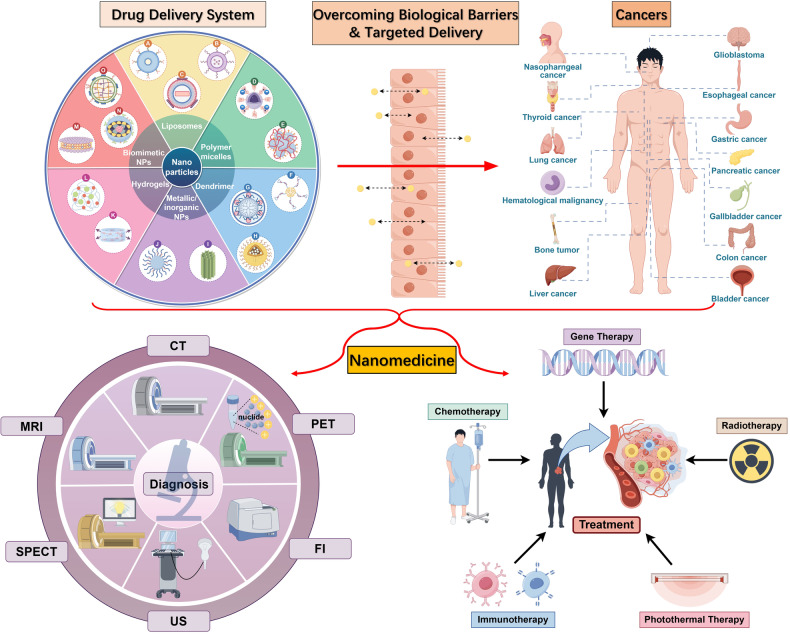
Fig. 1
Fig. 1
Nanomedicine in cancer diagnosis and treatment. CT computed tomography, MRI magnetic resonance imaging, PET positron emission tomography, SPECT single-photon emission tomography, US ultrasound, FI fluorescence imaging. (Drawn by Figdraw)
Fig. 2
Fig. 2
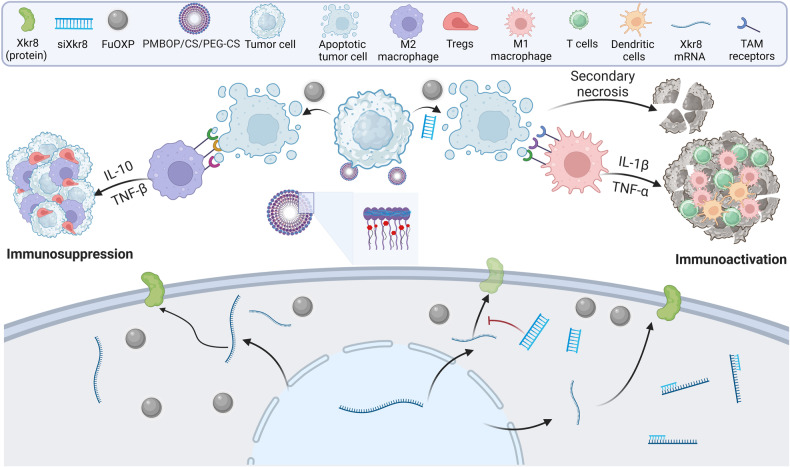
The proposed strategy aims to counteract the effects of chemotherapy drugs, specifically the induction of Xkr8 and the resulting immunosuppression. This reversal strategy involves delivering siXkr8 directly to the affected site, simultaneously with the chemotherapy drugs. This approach not only targets the specific gene responsible for these effects but also utilizes the synergy between siXkr8 and the chemotherapy drugs to achieve a more effective therapeutic outcome. (Created with BioRender.com) Reproduced with permission from Chen et al., Copyright 2022 Springer Nature Limited
Fig. 3
Fig. 3
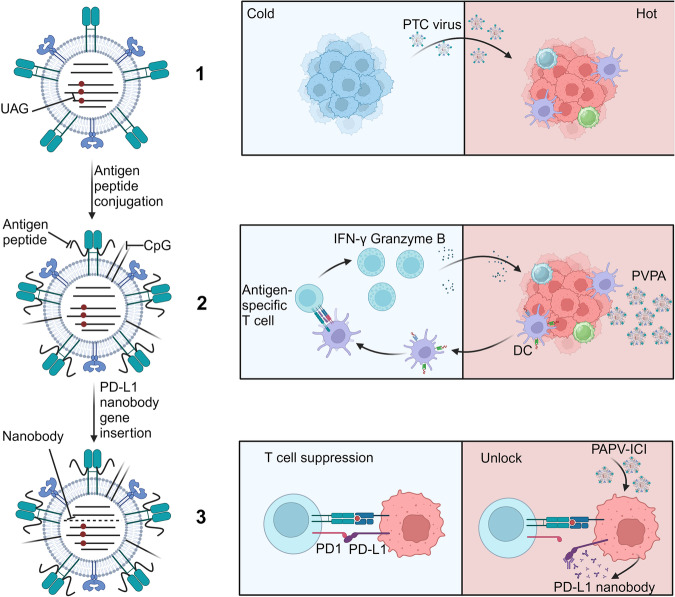
Schematic diagram of the PAPV-ICI platform for personalized cancer immunotherapy using peptide-armed PTC virus for lung cancer vaccination. PTC virus infection causes a transient proinflammatory state turning ‘cold’ TEM to hot, PAPV endows high DC Recruitment linked with generation and trafficking of antigen-specific CTLs; PAPV-ICI in situ delivers anti-PD-L1 nanobody synergizing anti-cancer immunotherapy. PAPV: peptide-armed PTC virus, PTC virus: the live but non-productive influenza A virus, ICI: immune checkpoint inhibitor. (Created with BioRender.com) Reproduced with permission from Ji et al. (2023), Copyright 2023 Springer Nature America, Inc
Fig. 4
Fig. 4
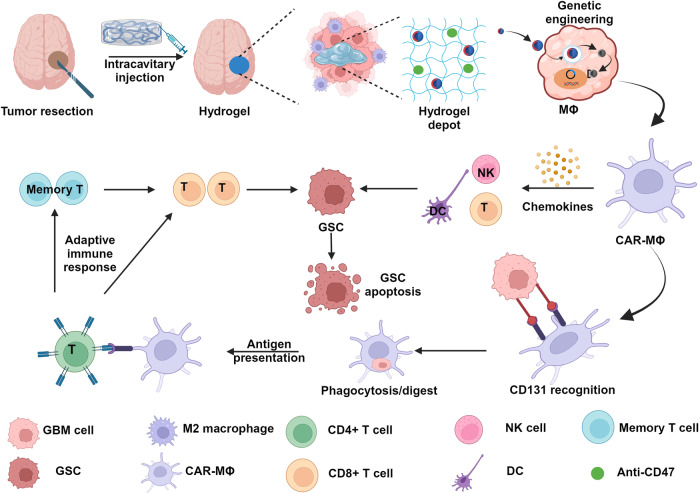
Intracavity generation of glioma stem cell-specific CAR macrophages for preventing postoperative glioblastoma relapse. (Created with BioRender.com) Reproduced with permission from Chen et al., Copyright 2022 American Association for the Advancement of Science
Fig. 5
Fig. 5
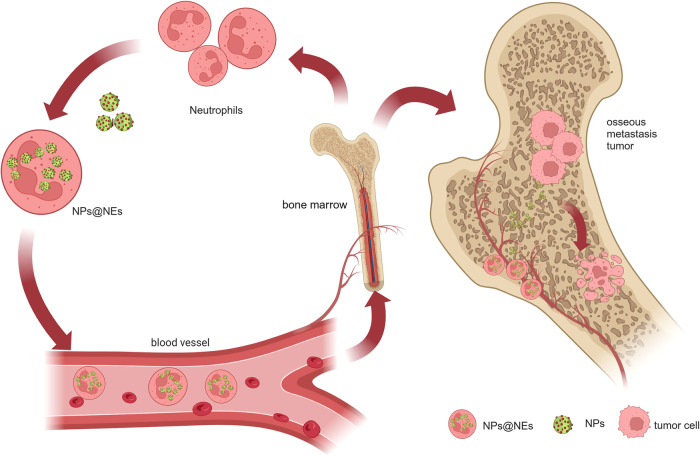
Bone marrow-derived neutrophils ingest nanopharmaceuticals containing CTX, transforming into NPs@NEs. These cells return to the bone marrow, where they exert a therapeutic effect on senescent bone metastatic tumors. (Created with BioRender.com) Reproduced with permission from Luo et al. (2023), Copyright 2023 Springer Nature Limited

References

    1. Siegel, R. L., Miller, K. D., Wagle, N. S. & Jemal, A. Cancer statistics, 2023. CA-Cancer J. Clin.73, 17–48 (2023). 10.3322/caac.21763 - DOI - PubMed
    1. Sung, H. et al. Global cancer statistics 2020: GLOBOCAN estimates of incidence and mortality worldwide for 36 cancers in 185 countries. CA-Cancer J. Clin.71, 209–249 (2021). 10.3322/caac.21660 - DOI - PubMed
    1. Siegel, R. L., Miller, K. D. & Jemal, A. Cancer statistics, 2019. CA-Cancer J. Clin69, 7–34 (2019). 10.3322/caac.21551 - DOI - PubMed
    1. McGuire, S. Geneva, Switzerland: world health organization, international agency for research on cancer, WHO press, 2015. Adv. Nutr.7, 418–419 (2016). 10.3945/an.116.012211 - DOI - PMC - PubMed
    1. Wells, J. C. et al. An analysis of contemporary oncology randomized clinical trials from low/middle-income vs high-income countries. JAMA Oncol7, 379–385 (2021). 10.1001/jamaoncol.2020.7478 - DOI - PMC - PubMed

LinkOut - more resources