


Mechanisms and therapeutic targets of ferroptosis: Implications for nanomedicine design
- PMID: 39135963
- PMCID: PMC11318476
- DOI: 10.1016/j.jpha.2024.03.001
Mechanisms and therapeutic targets of ferroptosis: Implications for nanomedicine design
Abstract
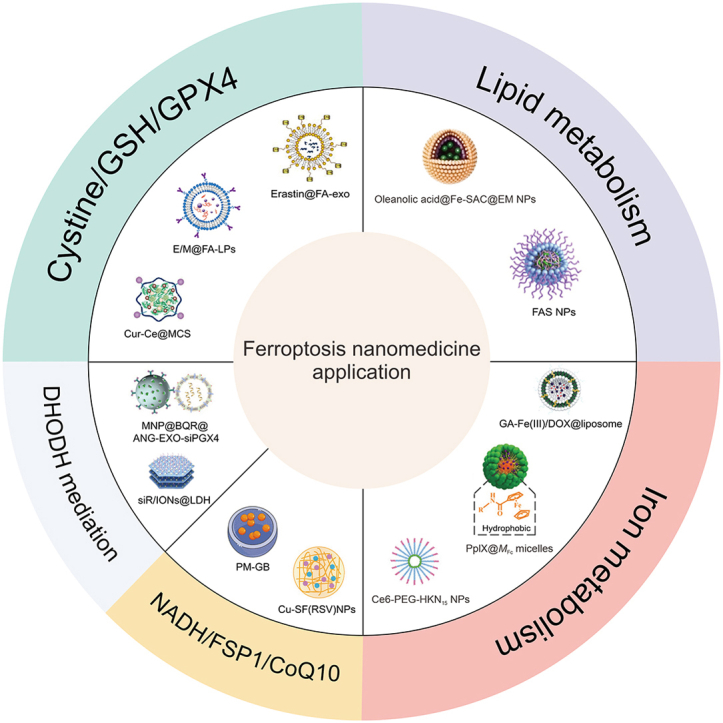
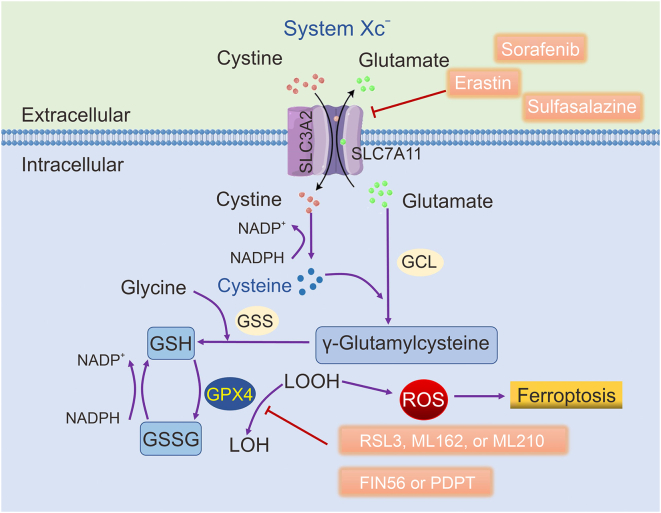
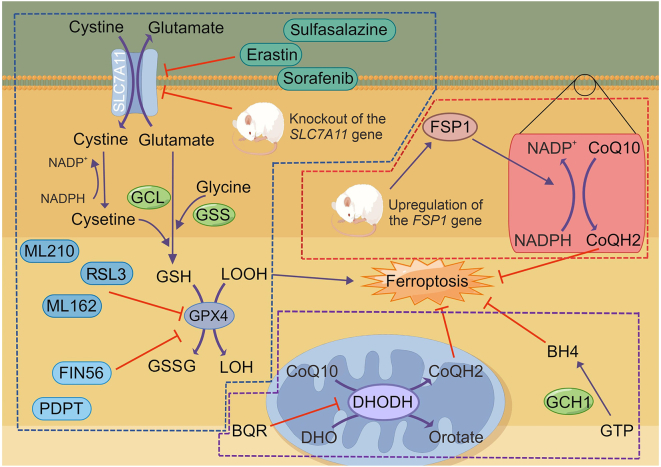
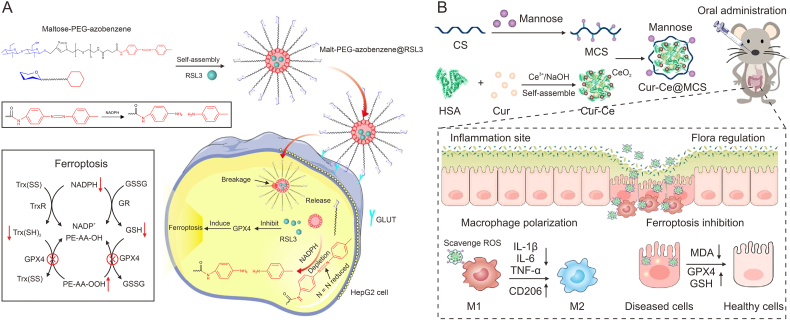
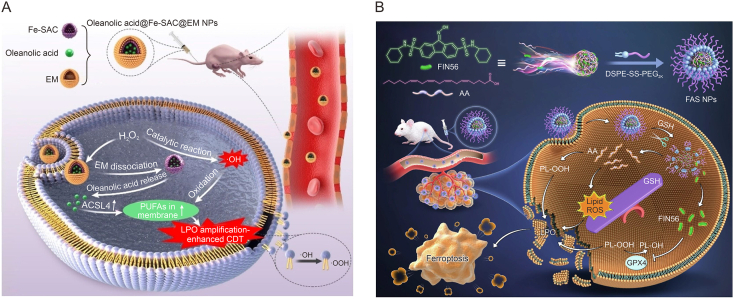
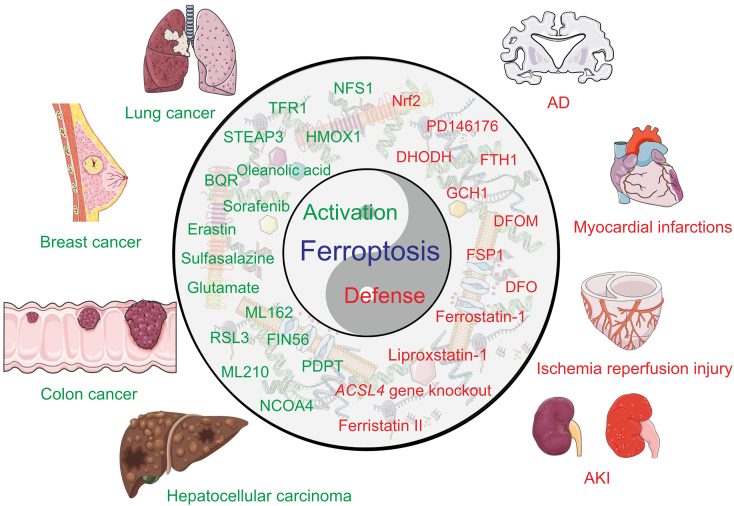
Ferroptosis is a nonapoptotic form of cell death and differs considerably from the well-known forms of cell death in terms of cell morphology, genetics, and biochemistry. The three primary pathways for cell ferroptosis are system Xc-/glutathione peroxidase 4 (GPX4), lipid metabolism, and ferric metabolism. Since the discovery of ferroptosis, mounting evidence has revealed its critical regulatory role in several diseases, especially as a novel potential target for cancer therapy, thereby attracting increasing attention in the fields of tumor biology and anti-tumor therapy. Accordingly, broad prospects exist for identifying ferroptosis as a potential therapeutic target. In this review, we aimed to systematically summarize the activation and defense mechanisms of ferroptosis, highlight the therapeutic targets, and discuss the design of nanomedicines for ferroptosis regulation. In addition, we opted to present the advantages and disadvantages of current ferroptosis research and provide an optimistic vision of future directions in related fields. Overall, we aim to provide new ideas for further ferroptosis research and inspire new strategies for disease diagnosis and treatment.
Keywords: Ferroptosis; Mechanisms; Nanomedicines; Therapeutic targets.
© 2024 The Authors.
Conflict of interest statement
The authors declare that there are no conflicts of interest.
Figures
References
-
- Dolma S., Lessnick S.L., Hahn W.C., et al. Identification of genotype-selective antitumor agents using synthetic lethal chemical screening in engineered human tumor cells. Cancer Cell. 2003;3:285–296. - PubMed
Publication types
LinkOut - more resources
Full Text Sources
