Review
. 2024 Aug 15;134(16):e172883.
doi: 10.1172/JCI172883.

Stress and substance use disorders: risk, relapse, and treatment outcomes

Affiliations
Review

Stress and substance use disorders: risk, relapse, and treatment outcomes

Rajita Sinha. J Clin Invest. .

Abstract

Stress has long been associated with substance misuse and substance use disorders (SUDs). The past two decades have seen a surge in research aimed at understanding the underlying mechanisms driving this association. This Review introduces a multilevel "adaptive stress response" framework, encompassing a stress baseline, acute reaction, and recovery with return-to-homeostasis phase that occurs at varying response times and across domains of analysis. It also discusses evidence showing the disruption of this adaptive stress response in the context of chronic and repeated stressors, trauma, adverse social and drug-related environments, as well as with acute and chronic drug misuse and with drug withdrawal and abstinence sequelae. Subjective, cognitive, peripheral, and neurobiological disruptions in the adaptive stress response phases and their link to inflexible, maladaptive coping; increased craving; relapse risk; and maintenance of drug intake are also presented. Finally, the prevention and treatment implications of targeting this "stress pathophysiology of addiction" are discussed, along with specific aspects that may be targeted in intervention development to rescue stress-related alterations in drug motivation and to improve SUD treatment outcomes.


Conflict of interest statement

Conflict of interest: RS has received research support from Aelis Farma and CT Pharma; and drug compounds from Aptinyx Inc. and Tenacia Biotechnology Co. She has also served on the scientific advisory board for Embera NeuroTherapeutics Inc. and as a scientific consultant for Imbrium Therapeutics LP.

Figures

Figure 1
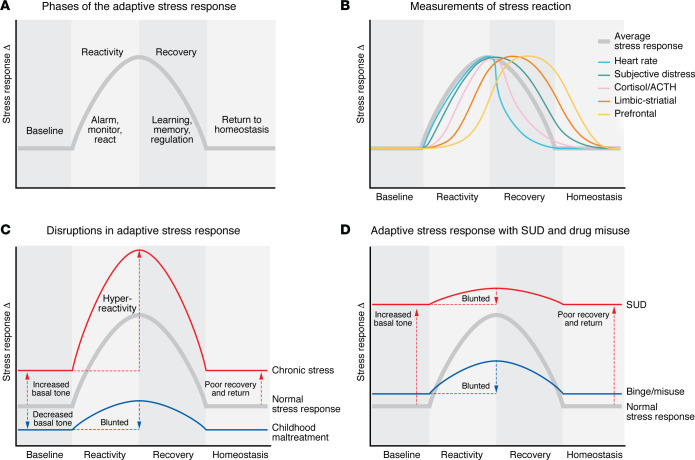
Figure 1. Conceptual schematic of the multilevel adaptive stress response across domains.
(A) The stress response in three phases, including baseline non-stress, relaxed state; the stress reaction state, including alerting, alarm, and immediate response if needed; and the recovery or regulatory state, including recovery and return to homeostasis. (B) Variation in stress reaction across levels of measurement and timescales based on intensity, sustained/repeated exposures, controllability, and predictability. (C) Based on research evidence, a schematic of the disruptions in the adaptive stress response phases with chronic repeated stress and with early-life stress/childhood maltreatment. (D) The documented changes across phases with binge and escalated drug use and in SUD.
Figure 2
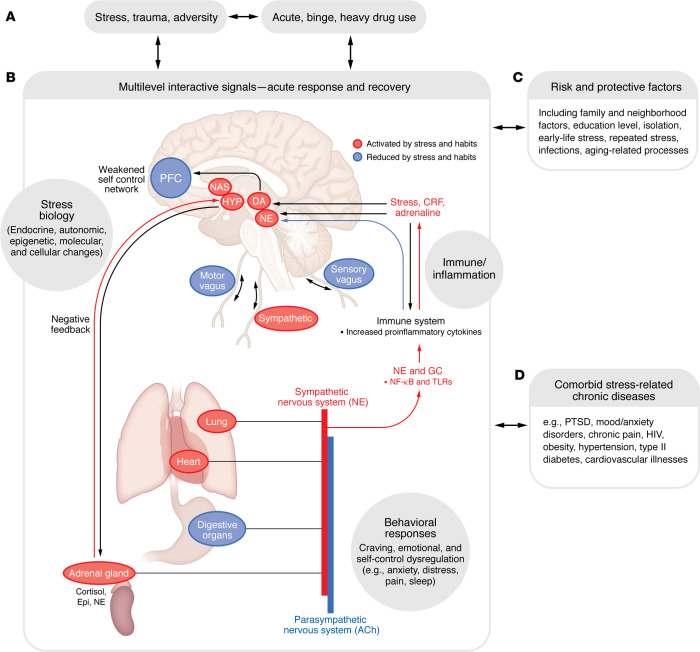
Figure 2. Pathways and processes involved in the multilevel stress response.
A heuristic model shows that high, repeated, and chronic stress and traumatic events as well as binge and heavy drug misuse (A) target the interactive parallel multilevel neural, behavioral, immune, endocrine, and molecular responses to coordinate both the acute adaptive stress response and the regulatory processes for recovery and return to homeostasis. (B) This multilevel stress response system functions as the substate for emergent disruptions across neurobiological pathways as well as behavioral symptoms under pathophysiological conditions; and is further influenced by risk and protective factors (C). Changes and disruptions may occur at different levels based on individual vulnerabilities, thereby increasing risk of specific additional stress-related illnesses often comorbid with SUD (D). ACh, acetylcholine; DA, dopamine; Epi, epinephrine; GC, glucocorticoid; HYP, hypothalamus; NE, norepinephrine; PFC, prefrontal cortex.
Figure 3
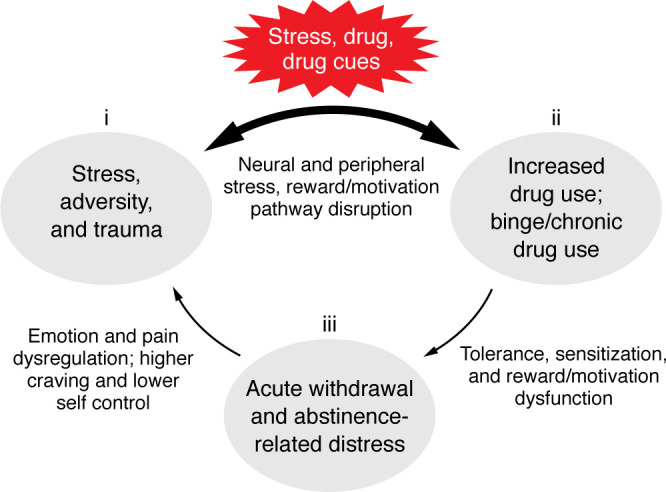
Figure 3. Maladaptive alterations to the adaptive stress response.
Model showing the interactive effects of (i) stress, trauma and adversity, (ii) increased drug use, binge/chronic use, and (iii) acute withdrawal and abstinence-related distress,as the three stress factors presented in the section entitled “Factors affecting stress response, learning, and motivation.” With increasing cumulative aggregation of each of these factors, the natural adaptive processes involved become altered, which results in greater multilevel disruptions in stress, reward, and motivation pathways. Drug-related processes of tolerance, sensitization and withdrawal further facilitate the feed-forward disruptions in emotion, pain, and reward pathways to promote increased craving and risk of drug use escalation, relapse, and treatment failure.
Figure 4
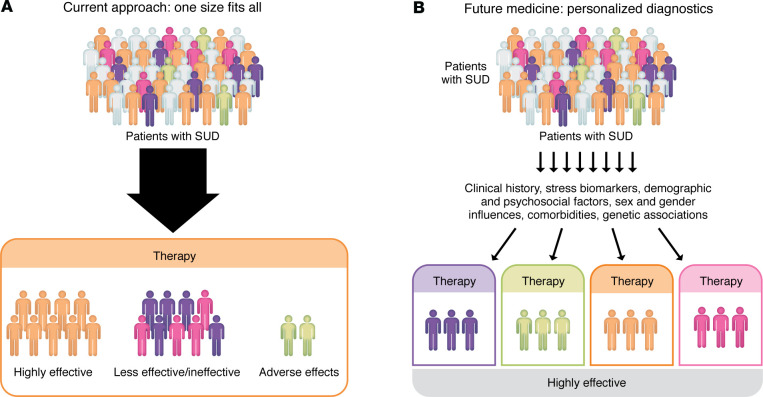
Figure 4. Incorporating stress response into personalized therapeutic development for SUDs.
Individual differences in cumulative aggregated stress and drug misuse exposure result in substantial heterogeneity in the extent of disruption to the adaptive stress response shown in Figure 1. The general approach to intervention development is to assess therapeutics for each specific SUD, without consideration of the effects of stress and drug misuse severity levels across individuals. In the one-size-fits-all approach (A), all individuals are considered the same and therefore presented and treated similarly for intervention development. (B) Cartoon of a precision medicine model for a specific SUD, wherein personalized demographic, clinical, and biobehavioral markers of stress- and drug-interactive disruptions are considered as prognostic diagnostics, facilitating development of precision medicine intervention to increase SUD treatment efficacy.

References

    1. Sinha R. How does stress increase risk of drug abuse and relapse? Psychopharmacology (Berl) 2001;158(4):343–359. doi: 10.1007/s002130100917. - DOI - PubMed
    1. Koob GF, Le Moal M. Drug addiction, dysregulation of reward, and allostasis. Neuropsychopharmacology. 2001;24(2):97–129. doi: 10.1016/S0893-133X(00)00195-0. - DOI - PubMed
    1. Sinha R. New findings on biological factors predicting addiction relapse vulnerability. Curr Psychiatry Rep. 2011;13(5):398–405. doi: 10.1007/s11920-011-0224-0. - DOI - PMC - PubMed
    1. Carver CS, Scheier MF, eds. On the Self-Regulation of Behavior. Cambridge University Press; 2001.
    1. Brady K, Sinha R. Co-occurring mental and substance use disorders: the neurobiological effects of chronic stress. Am J Psychiatry. 2005;162(8):1483–1493. doi: 10.1176/appi.ajp.162.8.1483. - DOI - PubMed