. 2024 Aug 22;15(1):7239.
doi: 10.1038/s41467-024-51310-z.

Loss of symmetric cell division of apical neural progenitors drives DENND5A-related developmental and epileptic encephalopathy

Emily Banks  1 Vincent Francis  1 Sheng-Jia Lin  2 Fares Kharfallah  1 Vladimir Fonov  1 Maxime Lévesque  1 Chanshuai Han  1 Gopinath Kulasekaran  1 Marius Tuznik  1 Armin Bayati  1 Reem Al-Khater  3 Fowzan S Alkuraya  4 Loukas Argyriou  5 Meisam Babaei  6 Melanie Bahlo  7 Behnoosh Bakhshoodeh  8 Eileen Barr  9 Lauren Bartik  10   11 Mahmoud Bassiony  12 Miriam Bertrand  13 Dominique Braun  14 Rebecca Buchert  13 Mauro Budetta  15 Maxime Cadieux-Dion  16 Daniel G Calame  17   18   19 Heidi Cope  20 Donna Cushing  21 Stephanie Efthymiou  22 Marwa Abd Elmaksoud  23 Huda G El Said  23 Tawfiq Froukh  24 Harinder K Gill  25 Joseph G Gleeson  26   27 Laura Gogoll  14 Elaine S-Y Goh  21 Vykuntaraju K Gowda  28 Tobias B Haack  13 Mais O Hashem  4 Stefan Hauser  29   30 Trevor L Hoffman  31 Jacob S Hogue  32 Akimoto Hosokawa  33 Henry Houlden  22 Kevin Huang  2 Stephanie Huynh  25 Ehsan G Karimiani  34   35 Silke Kaulfuß  5 G Christoph Korenke  36 Amy Kritzer  37 Hane Lee  38 James R Lupski  17   18   19   39 Elysa J Marco  40 Kirsty McWalter  41 Arakel Minassian  42 Berge A Minassian  43 David Murphy  44 Juanita Neira-Fresneda  9 Hope Northrup  45 Denis M Nyaga  33 Barbara Oehl-Jaschkowitz  46 Matthew Osmond  47 Richard Person  41 Davut Pehlivan  17   18   19 Cassidy Petree  2 Lynette G Sadleir  33 Carol Saunders  10   16   48 Ludger Schoels  29   30 Vandana Shashi  20 Rebecca C Spillmann  20 Varunvenkat M Srinivasan  28 Paria N Torbati  35 Tulay Tos  49 Undiagnosed Diseases NetworkMaha S Zaki  50 Dihong Zhou  10   11 Christiane Zweier  14 Jean-François Trempe  51 Thomas M Durcan  1 Ziv Gan-Or  1   52 Massimo Avoli  1 Cesar Alves  53 Gaurav K Varshney  2 Reza Maroofian  22 David A Rudko  1   54   55 Peter S McPherson  56
Collaborators, Affiliations

Loss of symmetric cell division of apical neural progenitors drives DENND5A-related developmental and epileptic encephalopathy

Emily Banks et al. Nat Commun. .

Abstract

Developmental and epileptic encephalopathies (DEEs) feature altered brain development, developmental delay and seizures, with seizures exacerbating developmental delay. Here we identify a cohort with biallelic variants in DENND5A, encoding a membrane trafficking protein, and develop animal models with phenotypes like the human syndrome. We demonstrate that DENND5A interacts with Pals1/MUPP1, components of the Crumbs apical polarity complex required for symmetrical division of neural progenitor cells. Human induced pluripotent stem cells lacking DENND5A fail to undergo symmetric cell division with an inherent propensity to differentiate into neurons. These phenotypes result from misalignment of the mitotic spindle in apical neural progenitors. Cells lacking DENND5A orient away from the proliferative apical domain surrounding the ventricles, biasing daughter cells towards a more fate-committed state, ultimately shortening the period of neurogenesis. This study provides a mechanism for DENND5A-related DEE that may be generalizable to other developmental conditions and provides variant-specific clinical information for physicians and families.


Conflict of interest statement

K.M. and R.P. are employed by GeneDx, LLC. All other authors report no competing interests.

Figures
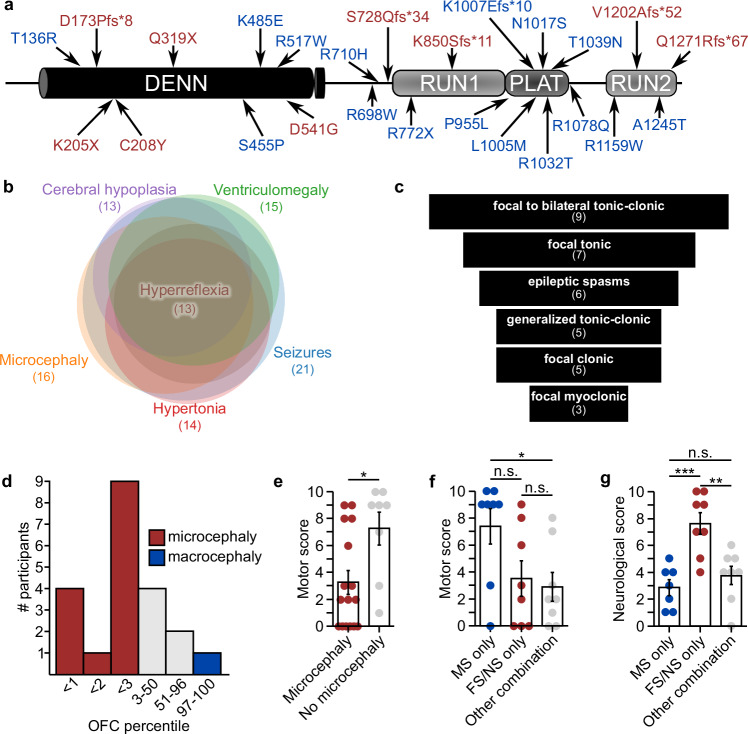
Fig. 1
Fig. 1. DENND5A loss of function variants influence neurodevelopment.
a Schematic of DENND5A protein with all coding sequence variants identified in the study. Red = found in homozygous individuals, blue = found in compound heterozygous individuals. b Venn chart showing the number of people with biallelic DENND5A variants exhibiting the most frequently reported phenotypes and the degree of phenotypic overlap between cohort members. c Funnel chart showing the most common seizure types present in the cohort. d Histogram depicting the number of individuals in a given OFC percentile range. Note that the exact OFC percentile is not known in every case. e Quantification of motor scores from n = 16 individuals with microcephaly and n = 8 individuals without microcephaly. Each dot represents one person. Data are mean ± SEM analyzed via two-tailed Mann-Whitney U test (Z = −2.55, p = 0.011). f Quantification of motor scores from n = 8 individuals with biallelic missense variants, n = 8 individuals with biallelic frameshift or nonsense variants, and n = 8 individuals with an allelic combination of frameshift, nonsense, missense, intronic, or copy number variants in DENND5A. Each dot represents one person. Data are mean ± SEM analyzed via Kruskal-Wallis test followed by pairwise comparisons with Bonferroni corrections for multiple comparisons (H(2) = 7.02, p = 0.03). g Quantification of neurological scores from n = 8 individuals with biallelic missense variants, n = 8 individuals with biallelic frameshift or nonsense variants, and n = 8 individuals with an allelic combination of frameshift, nonsense, missense, intronic, or copy number variants in DENND5A. Each dot represents one person. Data are mean ± SEM analyzed via one-way ANOVA followed by Tukey’s HSD (F(2, 20) = [12.996], p = 0.0002). Source data for each panel are provided as a Source Data file.
Fig. 2
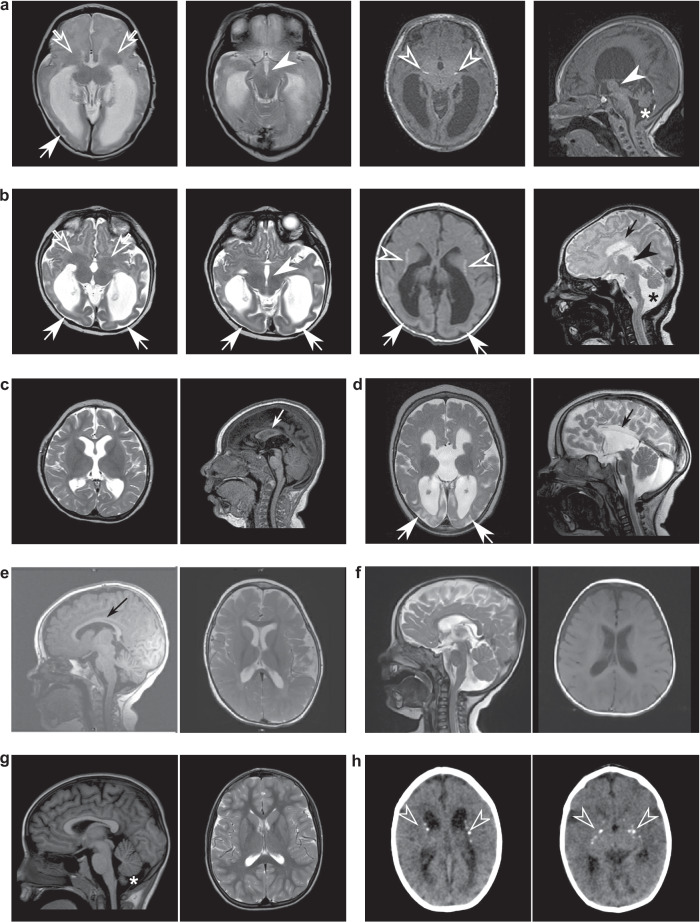
Fig. 2. Neuroanatomical heterogeneity in individuals with biallelic DENND5A variants.
Representative MRI slices from unrelated individuals with (a) homozygous p.Q1271R*67 variants (participant 5); (b) homozygous p.S728Qfs*34 variants (participant 14); (c) compound heterozygous p.K485E/p.R710H variants (participant 2); (d) compound heterozygous c.2283+1 G > T/p.K1007Efs*10 variants (participant 18); (e) compound heterozygous individual with variants c.950-20_950-17delTTTT/p.R1078Q (participant 9); (f) compound heterozygous individual with variants p.R1032T/p.T1039N (participant 30); and (g) compound heterozygous individual with variants p.K485E/p.R1159W (participant 8). h CT images from a homozygous individual with the variant p.V1202Afs*52 (participant 25). Arrows  =  posterior gradient of pachygyria/lissencephaly; open arrows = basal ganglia dysmorphism; arrowheads = diencephalic/mesencephalic junction dysplasia; open arrowheads = calcifications; small arrows = corpus callosum dysgenesis/agenesis; asterisks = cerebellar hypoplasia.
Fig. 3
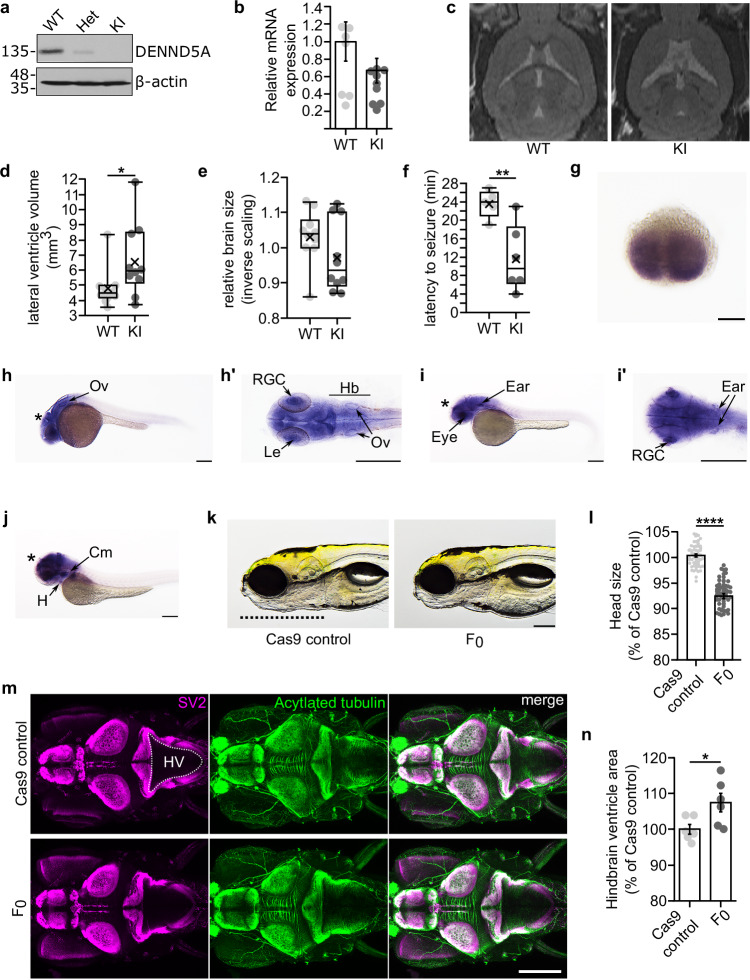
Fig. 3. Animal models of DENND5A-DEE exhibit phenotypes consistent with the human cohort.
a DENND5A protein levels in WT, heterozygous (Het), and homozygous knock-in (KI) mouse brains. Results were reproduced in three independent experiments. b DENND5A mRNA levels in n = 6 mouse brains. RT-qPCR was performed in triplicate in three independent experiments. Data are mean ± SEM (two-tailed Mann-Whitney U, Z = −1.81, p = 0.077). c Sample images of in vivo 7 T MRIs. d Quantification of pooled lateral ventricle volumes obtained through segmenting n = 10 MRIs (two-tailed Mann-Whitney U, Z = −2.117, p = 0.034). Each dot represents one animal. e Quantification of relative brain volumes using MRI data from n = 10 mice (two-tailed Mann-Whitney U, Z = −1.361, p = 0.174). Each dot represents one animal. f Quantification of seizure latency after 4-AP injection in n = 5 WT and n = 6 KI mice from three independent experiments (two-tailed student’s t(9) = 3.445, p = 0.007). Each dot represents one animal. Whole-mount in situ hybridization from two independent experiments shows dennd5a mRNA expression at (g), 0.75 hpf, (h), 24 hpf, (i), 48 hpf and (j), 72 hpf. Asterisks brain, Ov otic vesicle, Le lens, RGC retinal ganglion cells, Hb hindbrain, H heart, Cm cephalic musculature. Scale bar = 0.2 mm. k Representative images of control and F0 KO zebrafish from three independent experiments. Dotted line marks the length of the head used in quantification. Scale bar = 0.2 mm. l Quantification of head size in n = 60 larvae (two-tailed Mann-Whitney U, Z = −9.206, p = 3.4 × 10−20). Each dot represents one larva. m Representative image of larva at 6 dpf immunostained with anti-SV2 (magenta) and anti-acetylated tubulin (green). Dorsal view, anterior to the left. Dotted line outlines hindbrain ventricle (HV) area used in quantification. n Quantification of hindbrain ventricle area in n = 6 larvae (two-tailed student’s t(10) = −2.564, p = 0.028). Each dot represents one larva. Source data for (a, b), (d, f), (l) and (n) are provided as a Source Data file.
Fig. 4
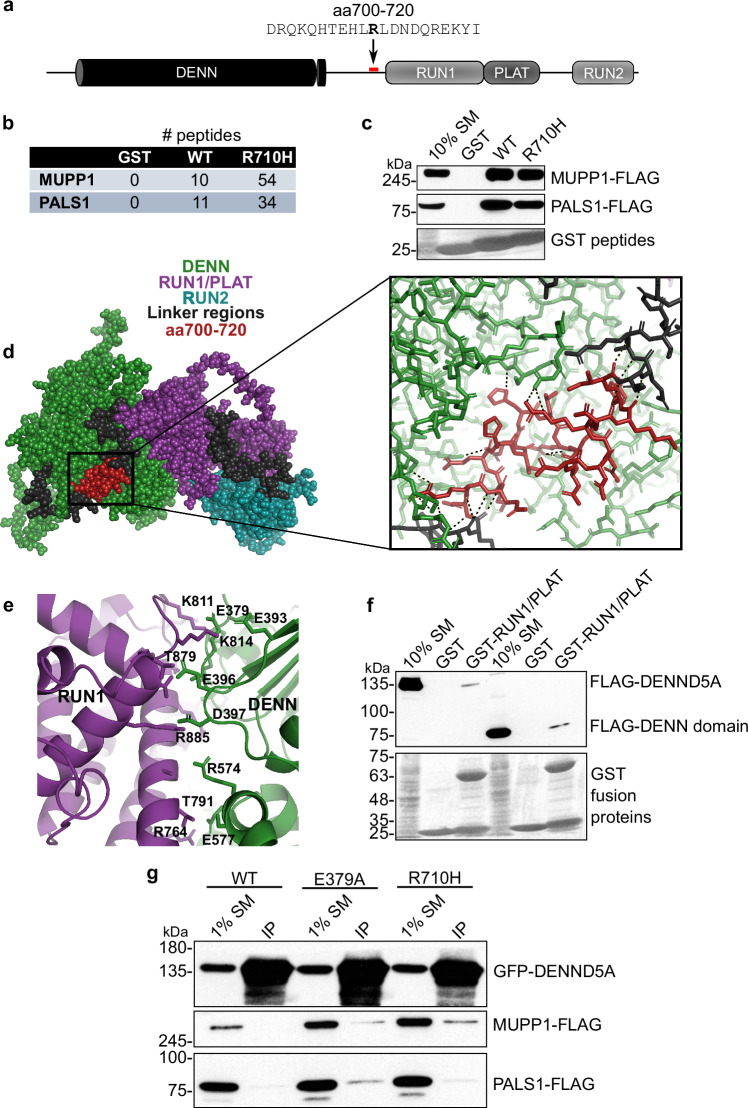
Fig. 4. DENND5A interacts with polarity proteins MUPP1 and PALS1.
a A recombinant GST-tagged peptide containing amino acids 700-720 of human DENND5A sequence was generated for use in pulldown experiments. The bolded residue corresponds to Arg710 that is affected in the cohort (R710H). b Table indicating the number of peptides corresponding to MUPP1 and PALS1 found bound to each GST fusion peptide used in the pulldown/mass spectrometry experiment. c Overexpressed human MUPP1- and PALS1-FLAG bind to GST-tagged DENND5A peptides. Results were reproduced in 3 independent experiments. d Residues 700–720 are shown in red in a space-fill model (left) and magnified view (right) of the predicted DENND5A protein structure from AlphaFold. Dotted lines indicate hydrogen bonds. e The interface between the DENN and RUN1 domains of DENND5A comprises many charged residues. f GST pulldown experiments show that FLAG-DENN and GST-RUN1/PLAT physically interact. g Co-immunoprecipitations between GFP-DENND5A and MUPP1- and PALS1-FLAG show that DENND5A only binds the polarity proteins when the intramolecular DENN-RUN1 interaction is disrupted. Source data for (b, c) and (f, g) are provided as a Source Data file.
Fig. 5
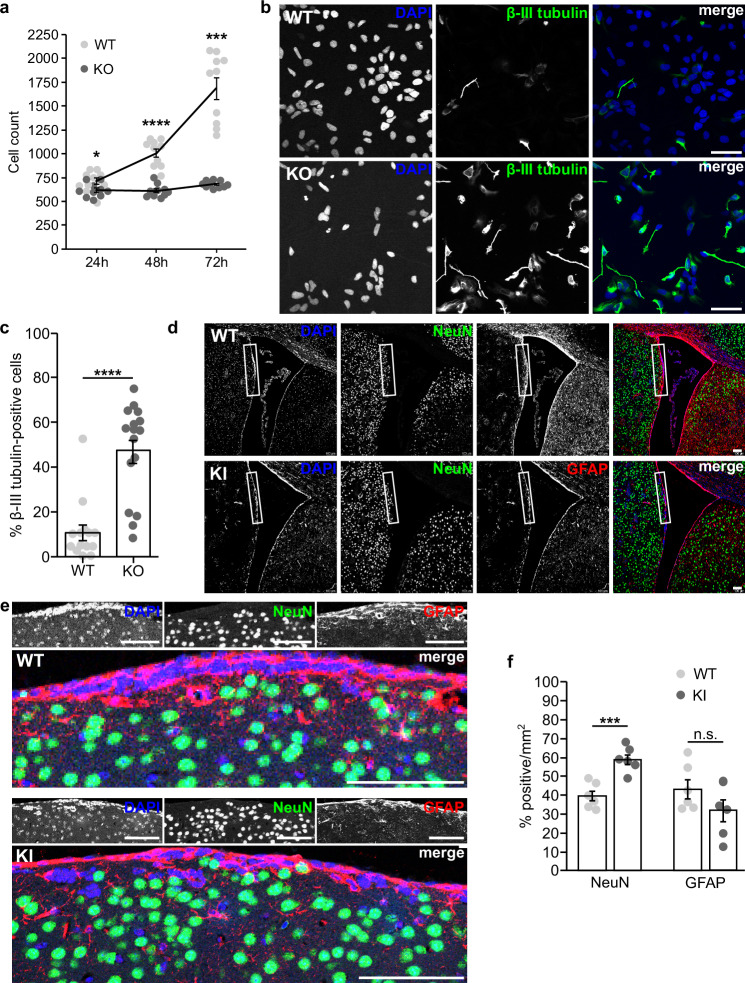
Fig. 5. Loss of DENND5A results in premature neuronal differentiation.
a Graph showing the average number of NPCs counted per well of a 96-well plate 24, 48, and 72 h after plating equal numbers of cells. Data are derived from 5 technical replicates from two independent experiments. Each dot represents the number of cells counted in one well. Data are mean ± SEM. 24 h: two-tailed t(18) = 2.168, p = 0.044; 48 h: two-tailed Welch’s t(12.96) = 8.30, p = 0.000002; 72 h: two-tailed Mann-Whitney U, Z = −3.78, p = 0.00016. b Immunostaining of β-III tubulin (green) and DAPI (blue) in NPCs one day after plating into neural progenitor maintenance medium. Scale bar = 50 µm. c Quantification of the percent of β-III tubulin-positive cells per field. A total of n = 2267 cells were analyzed from three independent experiments. Each dot represents the percentage calculated from one image. Data are mean ± SEM analyzed via two-tailed Mann-Whitney U, Z = −3.991, p = 0.000013. d Immunostaining of GFAP (red), NeuN (green), and DAPI (blue) in the SVZ of adult mice. Scale bar = 100 µm. e Close-up of the regions indicated in the insets in (d). f Quantification of the percentage of cells per mm2 labeled by NeuN or GFAP from a total of n = 4 mice. Each dot represents the percentage calculated from one image. Data are mean ± SEM. NeuN: two-tailed t(10) = −4.981, p = 0.001; GFAP: two-tailed t(10) = 1.486, p = 0.168. Source data for (a), (c), and (f) are provided as a Source Data file.
Fig. 6
Fig. 6. A neural rosette formation assay reveals abnormal mitotic spindle orientations upon loss of DENND5A.
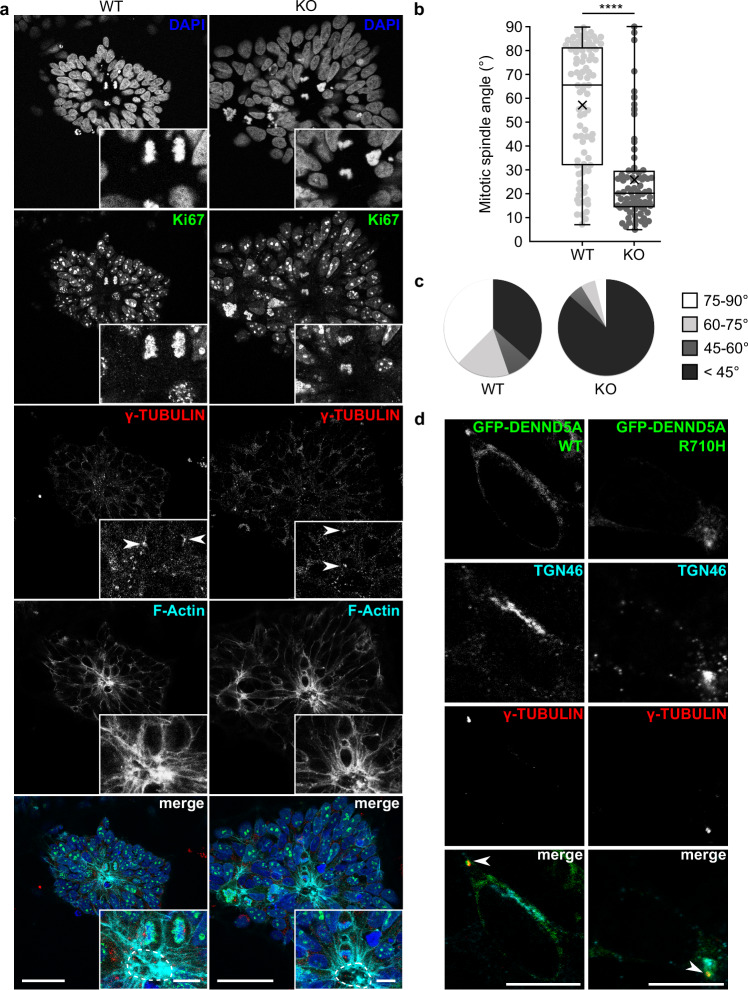
a Sample images showing the orientation of apical progenitor cell division in WT and DENND5A KO rosettes. Green = Ki67, red = γ-tubulin, cyan = F-actin, blue =  DAPI. Scale bars = 50 µm, inset = 10 µm. Dotted lines outline the F-actin-positive lumen. b Quantification of mitotic spindle angles measured from n = 85 WT and n = 81 KO dividing cells from two independent experiments, analyzed via two-tailed Mann-Whitney U test (Z = −7.122, p = 1.07 × 10−12). c Pie charts showing the proportion of dividing cells with mitotic spindle angles falling within various ranges. d Overexpression of DENND5A in NPCs. Green = GFP-DENND5A, cyan = TGN46, red = γ-tubulin. Scale bars = 10 µm. Results were reproduced in two independent experiments. Source data for (b, c) are provided as a Source Data file.
Fig. 7
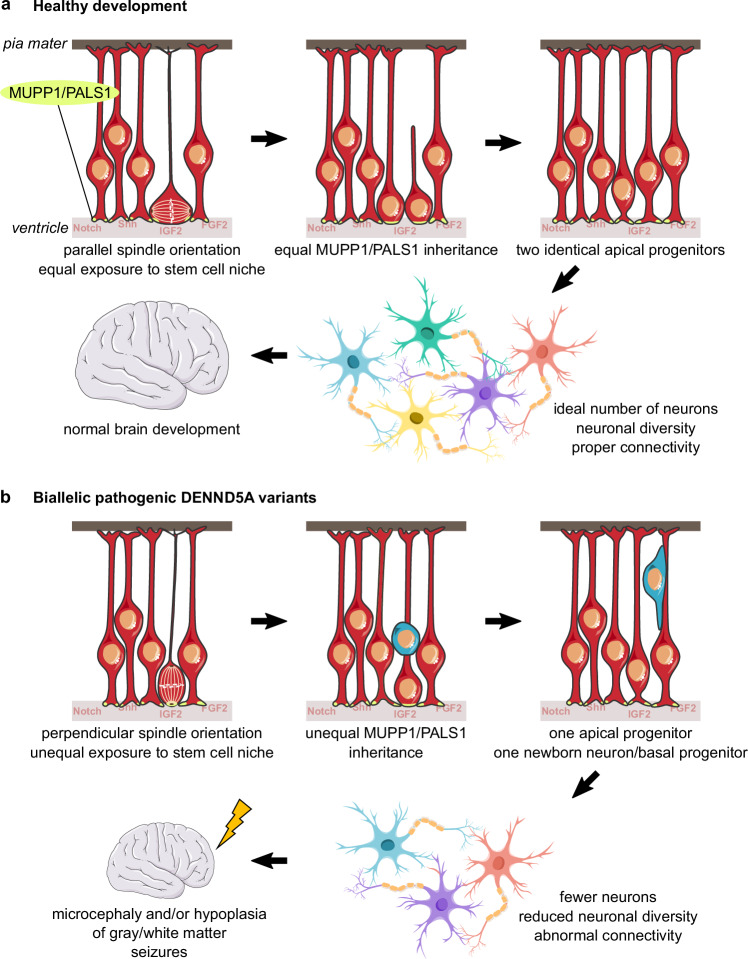
Fig. 7. DENND5A-related DEE disease model.
a Under healthy developmental circumstances, apical progenitors are able to obtain a spindle orientation parallel to the apical ventricular surface. This allows both daughter cells to receive equal exposure to the stem and progenitor cell niche as well as inherit equal proportions of apical determinants, such as MUPP1 and PALS1, producing two identical apical progenitors after mitosis. The expansion of the progenitor pool early in brain development allows for an ideal production of neurons from diverse lineages and contributes to healthy brain development. b In the presence of biallelic pathogenic DENND5A variants, apical progenitors increasingly divide with a spindle angle perpendicular to the ventricular surface. This scenario only allows for one daughter cell to receive signaling molecules from the stem and progenitor cell niche and to inherit apical determinants, and the more basal daughter cell becomes either a basal progenitor or an immature neuron. Increased asymmetric cell division of apical neural progenitors during early development reduces the number of progenitors available for neurogenesis, resulting in a decreased overall number and diversity of neurons that contribute to microcephaly. This may contribute to abnormal neuronal connectivity, resulting in seizures that further adversely affect development, leading to DEE.

Update of

  • Loss of symmetric cell division of apical neural progenitors drives DENND5A-related developmental and epileptic encephalopathy.
    Banks E, Francis V, Lin SJ, Kharfallah F, Fonov V, Levesque M, Han C, Kulasekaran G, Tuznik M, Bayati A, Al-Khater R, Alkuraya FS, Argyriou L, Babaei M, Bahlo M, Bakhshoodeh B, Barr E, Bartik L, Bassiony M, Bertrand M, Braun D, Buchert R, Budetta M, Cadieux-Dion M, Calame D, Cope H, Cushing D, Efthymiou S, Elmaksoud MA, El Said HG, Froukh T, Gill HK, Gleeson JG, Gogoll L, Goh ES, Gowda VK, Haack TB, Hashem MO, Hauser S, Hoffman TL, Hogue JS, Hosokawa A, Houlden H, Huang K, Huynh S, Karimiani EG, Kaulfuß S, Korenke GC, Kritzer A, Lee H, Lupski JR, Marco EJ, McWalter K, Minassian A, Minassian BA, Murphy D, Neira-Fresneda J, Northrup H, Nyaga D, Oehl-Jaschkowitz B, Osmond M, Person R, Pehlivan D, Petree C, Sadleir LG, Saunders C, Schoels L, Shashi V, Spillman RC, Srinivasan VM, Torbati PN, Tos T; Undiagnosed Diseases Network; Zaki MS, Zhou D, Zweier C, Trempe JF, Durcan TM, Gan-Or Z, Avoli M, Alves C, Varshney GK, Maroofian R, Rudko DA, McPherson PS. Banks E, et al. medRxiv [Preprint]. 2024 Jan 31:2022.08.23.22278845. doi: 10.1101/2022.08.23.22278845. medRxiv. 2024. Update in: Nat Commun. 2024 Aug 22;15(1):7239. doi: 10.1038/s41467-024-51310-z. PMID: 38352438 Free PMC article. Updated. Preprint.

References

    1. Raga, S., Specchio, N., Rheims, S. & Wilmshurst, J. M. Developmental and epileptic encephalopathies: recognition and approaches to care. Epileptic Disord.23, 40–52 (2021). 10.1684/epd.2021.1244 - DOI - PubMed
    1. Han, C. et al. Epileptic encephalopathy caused by mutations in the guanine nucleotide exchange factor DENND5A. Am. J. Hum. Genet.99, 1359–1367 (2016). 10.1016/j.ajhg.2016.10.006 - DOI - PMC - PubMed
    1. Anazi, S. et al. Clinical genomics expands the morbid genome of intellectual disability and offers a high diagnostic yield. Mol. Psychiatry22, 615–624 (2017). 10.1038/mp.2016.113 - DOI - PubMed
    1. Marat, A. L., Dokainish, H. & McPherson, P. S. DENN domain proteins: regulators of Rab GTPases. J. Biol. Chem.286, 13791–13800 (2011). 10.1074/jbc.R110.217067 - DOI - PMC - PubMed
    1. Callebaut, I., de Gunzburg, J., Goud, B. & Mornon, J. P. RUN domains: a new family of domains involved in Ras-like GTPase signaling. Trends Biochem. Sci.26, 79–83 (2001). 10.1016/S0968-0004(00)01730-8 - DOI - PubMed

Substances