. 2024 Dec;14(6):e200351.
doi: 10.1212/CPJ.0000000000200351. Epub 2024 Aug 16.

The Recovery of Consciousness via Evidence-Based Medicine and Research (RECOVER) Program: A Paradigm for Advancing Neuroprognostication

Affiliations

The Recovery of Consciousness via Evidence-Based Medicine and Research (RECOVER) Program: A Paradigm for Advancing Neuroprognostication

David Fischer et al. Neurol Clin Pract. 2024 Dec.

Abstract

Background: Neuroprognostication for disorders of consciousness (DoC) after severe acute brain injury is a major challenge, and the conventional clinical approach struggles to keep pace with a rapidly evolving literature. Lacking specialization, and fragmented between providers, conventional neuroprognostication is variable, frequently incongruent with guidelines, and prone to error, contributing to avoidable mortality and morbidity.

Recent findings: We review the limitations of the conventional approach to neuroprognostication and DoC care, and propose a paradigm entitled the Recovery of Consciousness Via Evidence-Based Medicine and Research (RECOVER) program to address them. The aim of the RECOVER program is to provide specialized, comprehensive, and longitudinal care that synthesizes interdisciplinary perspectives, provides continuity to patients and families, and improves the future of DoC care through research and education.

Implications for practice: This model, if broadly adopted, may help establish neuroprognostication as a new subspecialty that improves the care of this vulnerable patient population.


Conflict of interest statement

The authors report no relevant disclosures. Full disclosure form information provided by the authors is available with the full text of this article at Neurology.org/cp.

Figures

Figure 1
Figure 1. The Conventional Neuroprognostication Model and the RECOVER Program Model
The conventional model of neuroprognostication care is characterized by multiple dimensions of fragmentation between providers, between disciplines, between clinical care and research, and across time. Neurologists frequently use variable approaches to neuroprognostication; specialists who interpret prognostic studies frequently do not communicate directly with those prognosticating; research (represented in green) is typically not coordinated with clinical care (represented in blue) and advanced techniques developed by research are inefficiently translated into clinical practice; and clinicians responsible for prognostication often do not provide longitudinal support beyond hospital discharge. By contrast, the RECOVER program model provides a dedicated specialized consultation service, which collects prognostic biomarkers in a systematic and evidence-based fashion, which are discussed during interdisciplinary conferences. Patients who survive beyond hospital discharge are supported longitudinally by the same team of providers. Apart from ensuring consistent evidence-based clinical care, this clinical infrastructure is leveraged to produce high-quality research data and to facilitate the translation of research discoveries into clinical practice, hence integrating clinical care (blue) and research (green) throughout. Although not represented in this figure, education is another central component of the RECOVER program, with neurology residents and trainees incorporated throughout inpatient and outpatient settings.
Figure 2
Figure 2. Interdisciplinary Inpatient Consultation
The inpatient RECOVER consultation requires coordination between disciplines. A neuroprognostication consult not only involves a neurologist but also triggers the parallel involvement of physiatry, palliative care, physical and occupational therapy (PT/OT), and social work. Depending on the consensus reached during interdisciplinary conferences about a patient's prognosis and discussion with the patient's surrogates, life-sustaining treatment (LST) is either continued for the purpose of pursuing restorative goals or withdrawn for the purpose of pursuing palliative goals, which prompts the involvement of different team members. Discharge planning for patients who survive beyond hospital discharge is facilitated by a social worker familiar with facilities and resources available to patients with brain injury.
Figure 3
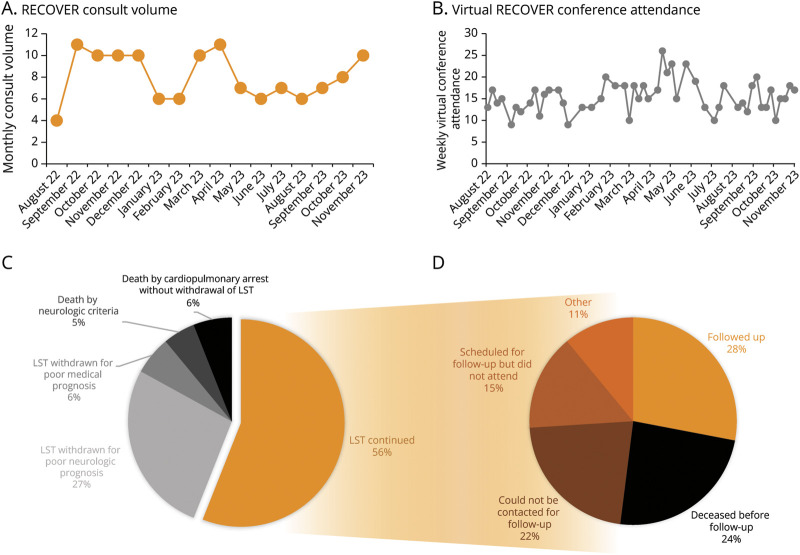
Figure 3. Feasibility and Implementation
Data collected during the first 15 months of the RECOVER program are presented. Consult volume averaged 9 patients per month (A), and virtual interdisciplinary conference attendance averaged 16 per week in addition to in-person attendance (B), with both remaining stable over time. Outcomes from the inpatient evaluation, regarding the continuation or withdrawal of life-sustaining treatment (LST) and mortality, are presented (C). Of the patients who had LST continued and who were evaluated at least 3 months before the conclusion of the observation period, long-term outcomes regarding clinic retention are presented (D).

References

    1. Fischer D, Edlow BL, Giacino JT, Greer DM. Neuroprognostication: a conceptual framework. Nat Rev Neurol. 2022;18(7):419-427. doi:10.1038/s41582-022-00644-7 - DOI - PMC - PubMed
    1. Elmer J, Torres C, Aufderheide TP, et al. . Association of early withdrawal of life-sustaining therapy for perceived neurological prognosis with mortality after cardiac arrest. Resuscitation. 2016;102:127-135. doi:10.1016/j.resuscitation.2016.01.016 - DOI - PMC - PubMed
    1. Schnakers C, Vanhaudenhuyse A, Giacino J, et al. . Diagnostic accuracy of the vegetative and minimally conscious state: clinical consensus versus standardized neurobehavioral assessment. BMC Neurol. 2009;9:35. doi:10.1186/1471-2377-9-35 - DOI - PMC - PubMed
    1. Fischer D, Newcombe V, Fernandez-Espejo D, Snider SB. Applications of advanced MRI to disorders of consciousness. Semin Neurol. 2022;42(3):325-334. doi:10.1055/a-1892-1894 - DOI - PubMed
    1. Fischer D, Edlow BL. Coma prognostication after acute brain injury: a review. JAMA Neurol. 2024;81(4):405-411. doi:10.1001/jamaneurol.2023.5634 - DOI - PubMed

LinkOut - more resources