


How to Evaluate the Efficacy of Manipulations in Spine Disorders-A Comprehensive Review of New and Traditional Outcome Measures
- PMID: 39194923
- PMCID: PMC11352299
- DOI: 10.3390/clinpract14040119
How to Evaluate the Efficacy of Manipulations in Spine Disorders-A Comprehensive Review of New and Traditional Outcome Measures
Abstract
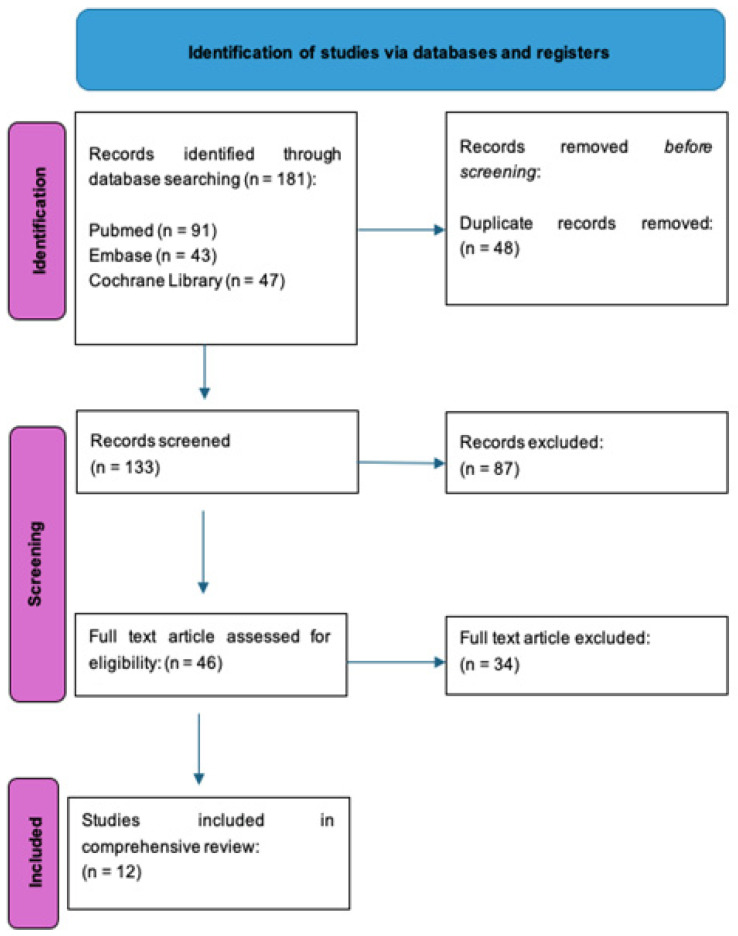
Spine pain (SP) is the most common musculoskeletal disorder that causes transitional forms of motor disability. Considering its affordability and safety, manipulative therapy (MT) stands as one of the primary therapeutic approaches for SP and the related dysfunctional consequences. However, it is still difficult to assess and quantify the results of this treatment since there is a lack of objective evaluation tools in the available scientific literature. Thus, the purpose of this comprehensive review is to summarize the main outcomes used to evaluate the effectiveness of spine manipulations, focusing on their strengths and weaknesses. An extensive review of the PubMed, Cochrane, and Embase databases was performed to identify the literature of the last ten years regarding MT and the related assessment tools. A total of 12 studies met the inclusion criteria. The analyzed literature indicates that a wide range of outcome measures have been used to assess the effectiveness of spine MT. Pain is the main aspect to be investigated but it remains difficult to elucidate since it is strongly linked to various dimensions such as self-perception and psychological aspects. Therefore, it seems necessary to include new tools for evaluating the effects of spine MT, with the aim of exploiting new technologies and taking into consideration the SP biomechanical and biopsychosocial aspects.
Keywords: manual therapy; measure; outcome; spine pain.
Conflict of interest statement
The authors declare no conflicts of interest.
Figures
References
-
- Shim G.Y., Choi J., Kim H.J., Kwon R., Kim M.S., Yoo M.C., Rahmati M., Cho W., Yon D.K. Global, Regional, and National Burden of Spine Pain, 1990–2019: A Systematic Analysis of the Global Burden of Disease Study 2019. Arch. Phys. Med. Rehabil. 2023;23:644–645. doi: 10.1016/j.apmr.2023.10.019. - DOI - PubMed
Publication types
LinkOut - more resources
Full Text Sources
Miscellaneous
