


Polygonatum sibiricum Polysaccharides Alleviate Depressive-like Symptoms in Chronic Restraint Stress-Induced Mice via Microglial Regulation in Prefrontal Cortex
- PMID: 39204578
- PMCID: PMC11359046
- DOI: 10.3390/polym16162358
Polygonatum sibiricum Polysaccharides Alleviate Depressive-like Symptoms in Chronic Restraint Stress-Induced Mice via Microglial Regulation in Prefrontal Cortex
Abstract
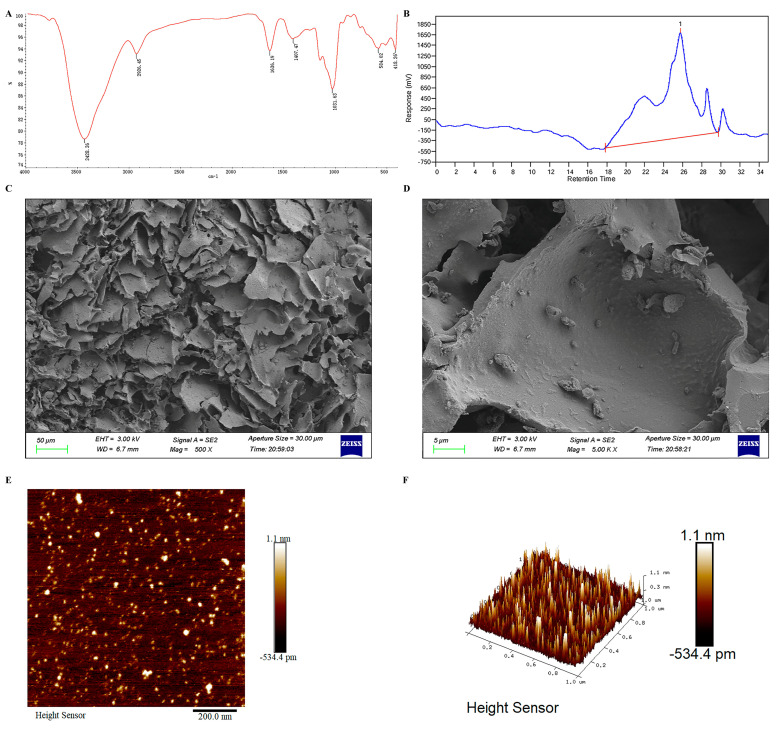
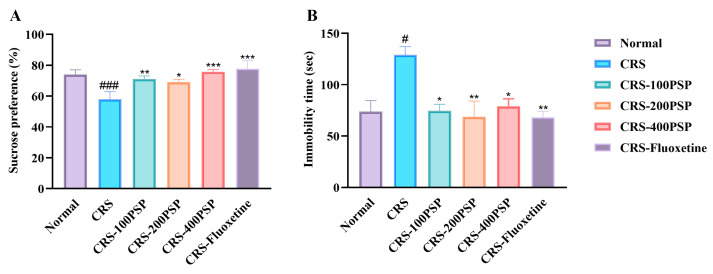
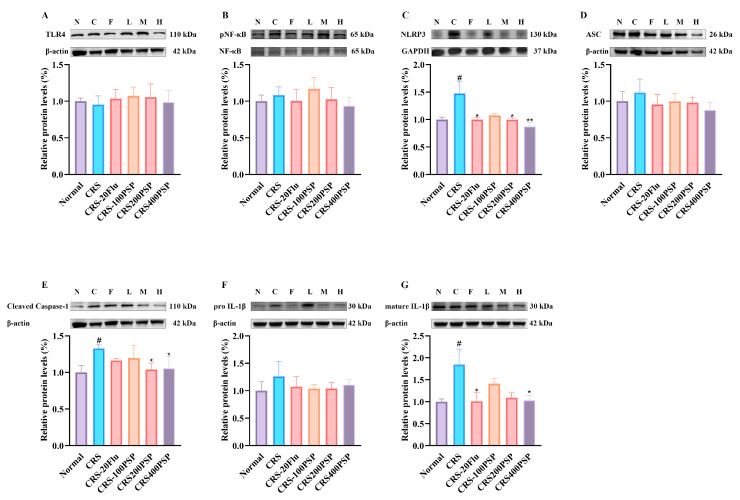
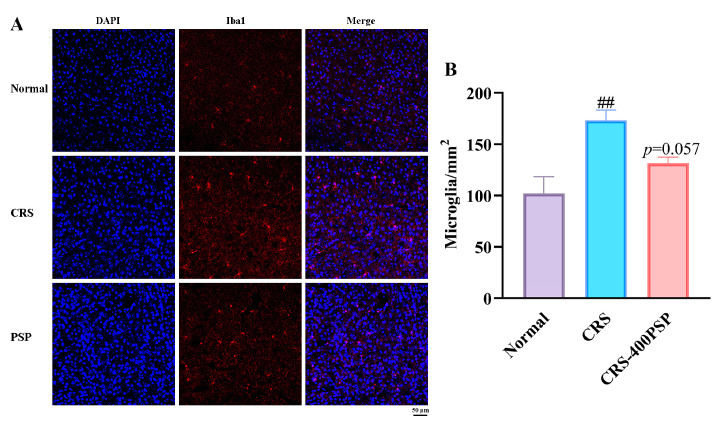
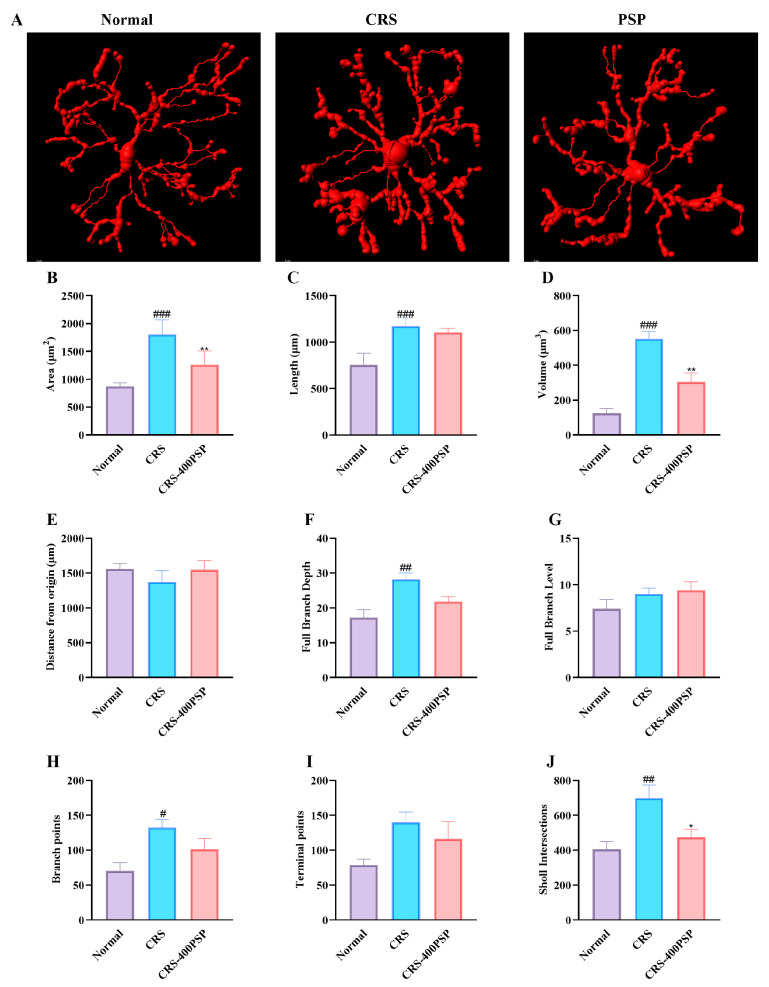
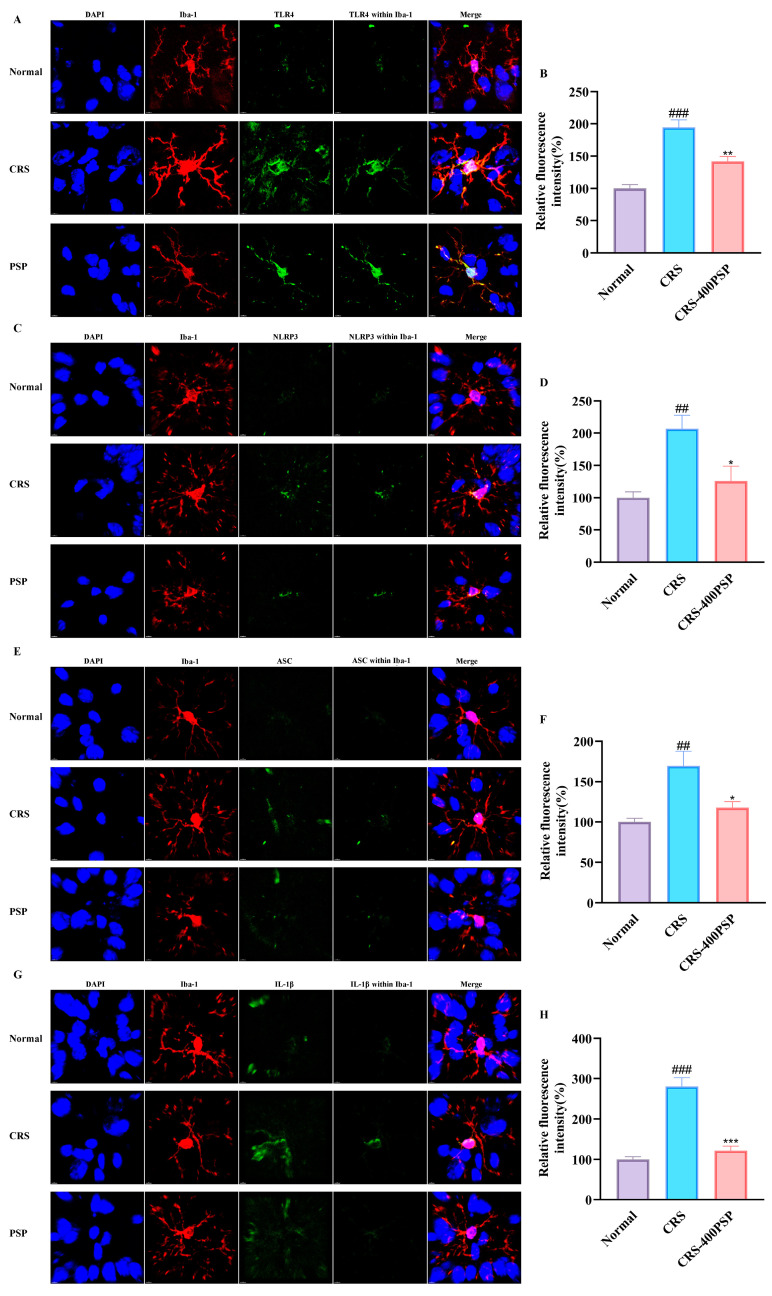
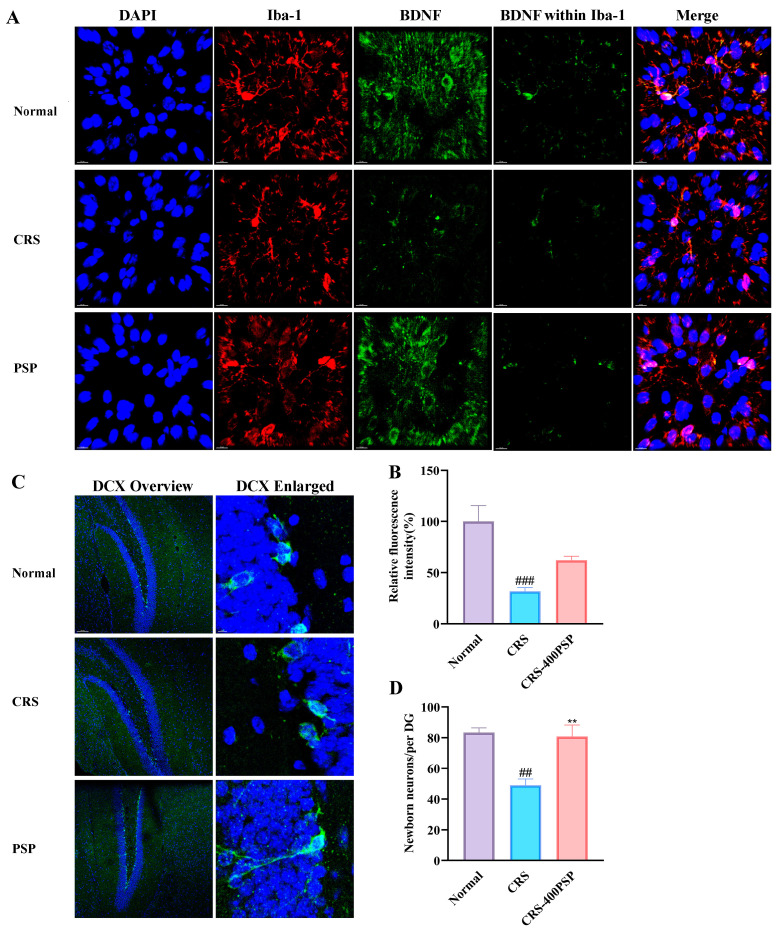
Microglia respond to stressors by secreting cytokines or growth factors, playing a crucial role in maintaining brain homeostasis. While the antidepressant-like effects of Polygonatum sibiricum polysaccharides (PSPs) have been observed in mice, their potential effectiveness involving microglial regulation remains unknown. This study investigates the antidepressant-like mechanism of PSP by regulating microglial phenotype and signaling pathways in the prefrontal cortex of chronic restraint stress (CRS)-induced mice. PSP was extracted, purified, characterized, and orally administered to CRS mice. High-performance gel permeation chromatography (HPGPC) revealed that PSP has a molecular weight of 5.6 kDa. Scanning electron microscopy (SEM) and atomic force microscopy (AFM) showed that PSP exhibited a layered structure with densely packed, irregular surfaces. PSP treatment significantly increased sucrose preference (low: 71%, p < 0.01; medium: 69%, p < 0.05; high: 75%, p < 0.001 vs. CRS: 58%) and reduced immobility time (low: 74 s, p < 0.01; medium: 68 s, p < 0.01; high: 79 s, p < 0.05 vs. CRS: 129 s), indicating the alleviation of depressive-like behaviors. PSP inhibited microglial activation (PSP, 131/mm2 vs. CRS, 173/mm2, p = 0.057), reversing CRS-induced microglial hypertrophy and hyper-ramification. Furthermore, PSP inactivated microglial activation by inhibiting NLRP3/ASC/caspase-1/IL-1β signaling pathways, increasing BDNF synthesis and activating brain-derived neurotrophic factor (BDNF)-mediated neurogenesis (PSP, 80/per DG vs. CRS, 49/per DG, p < 0.01). In conclusion, PSP exerts antidepressant-like effects through the regulation of microglial activity and neuroinflammatory pathways, indicating it as a potential natural compound for depression treatment.
Keywords: BDNF; NLRP3; Polygonatum sibiricum; antidepressant; microglia; polysaccharides.
Conflict of interest statement
The authors declare no conflicts of interest.
Figures
References
-
- McGrath J.J., Al-Hamzawi A., Alonso J., Altwaijri Y., Andrade L.H., Bromet E.J., Bruffaerts R., de Almeida J.M.C., Chardoul S., Chiu W.T., et al. Age of onset and cumulative risk of mental disorders: A cross-national analysis of population surveys from 29 countries. Lancet Psychiatry. 2023;10:668–681. doi: 10.1016/S2215-0366(23)00193-1. - DOI - PMC - PubMed
-
- Weber M.D., McKim D.B., Niraula A., Witcher K.G., Yin W., Sobol C.G., Wang Y., Sawicki C.M., Sheridan J.F., Godbout J.P. The Influence of Microglial Elimination and Repopulation on Stress Sensitization Induced by Repeated Social Defeat. Biol. Psychiatry. 2019;85:667–678. doi: 10.1016/j.biopsych.2018.10.009. - DOI - PMC - PubMed
Grants and funding
LinkOut - more resources
Full Text Sources
Miscellaneous
