


Trace lithium levels in drinking water and risk of dementia: a systematic review
- PMID: 39212809
- PMCID: PMC11364728
- DOI: 10.1186/s40345-024-00348-5
Trace lithium levels in drinking water and risk of dementia: a systematic review
Abstract
Background: Since its debut in 1949, lithium (Li) has been regarded as a gold standard therapy for mood stabilization. Neuroprotective effects of Li have been replicated across many different paradigms ranging from tissue cultures to human studies. This has generated interest in potentially repurposing this drug. However, the optimal dosage required for neuroprotective effects remains unclear and may be different than the doses needed for treatment of bipolar disorders. Recent studies on trace-Li levels in the water suggest that Li, could slow cognitive decline and prevent dementia with long-term use even at very low doses. The current review aims to synthesize the data on the topic and challenge the conventional high-dose paradigm.
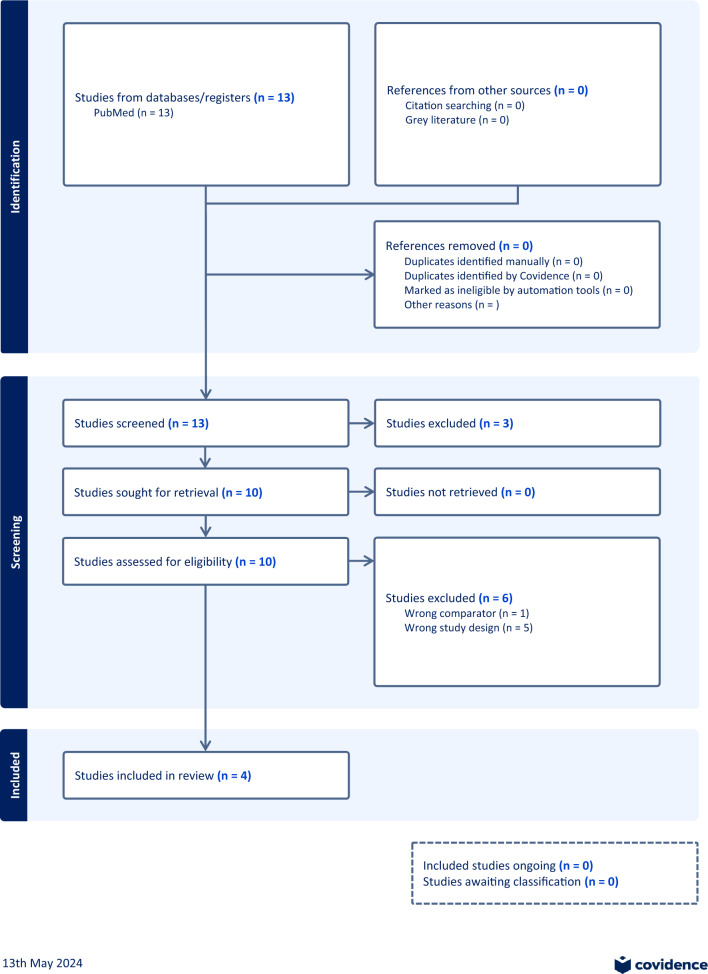
Results: We systematically reviewed five available studies, which reported associations between trace-Li in water and incidence or mortality from dementia. Association between trace-Li levels and a lower risk or mortality from dementia were observed at concentrations of Li in drinking water as low as 0.002 mg/L and 0.056 mg/L. Meanwhile, levels below 0.002 mg/L did not elicit this effect. Although three of the five studies found dementia protective properties of Li in both sexes, a single study including lower Li levels (0.002 mg/l) found such association only in women. CONCLUSION: The reviewed evidence shows that trace-Li levels in the water are sufficient to lower the incidence or mortality from dementia. Considering the lack of options for the prevention or treatment of dementia, we should not ignore these findings. Future trials of Li should focus on long term use of low or even micro doses of Li in the prevention or treatment of dementia.
Keywords: Dementia; Lithium; Micro dosing; Neuroprotection.
© 2024. The Author(s).
Conflict of interest statement
The authors declare no competing interests.
References
-
- Andrade Nunes M, Araujo Viel T, Sousa BH. Microdose lithium treatment stabilized cognitive impairment in patients with alzheimer’s disease. Curr Alzheimer Res. 2013;10(1):104–7. - PubMed
-
- Aprahamian I, Santos FS, Dos Santos B, Talib L, Diniz BS, Radanovic M, et al. Long-term, low-dose lithium treatment does not impair renal function in the elderly: A 2-year randomized, placebo-controlled trial followed by single-blind extension. J Clin Psychiatry. 2014;75(07):e672–8. 10.4088/JCP.13m08741 - DOI - PubMed
-
- Arnaoudova MD. Lithium toxicity in elderly-a case report and discussion. J IMAB—Annu Proceeding Sci Pap. 2014;20(4):519–22.
Publication types
Grants and funding
LinkOut - more resources
Full Text Sources
