


DNA damage induced PARP-1 overactivation confers paclitaxel-induced neuropathic pain by regulating mitochondrial oxidative metabolism
- PMID: 39215404
- PMCID: PMC11364515
- DOI: 10.1111/cns.70012
DNA damage induced PARP-1 overactivation confers paclitaxel-induced neuropathic pain by regulating mitochondrial oxidative metabolism
Abstract
Aims: Poly (ADP-ribose) polymerase (PARP) has been extensively investigated in human cancers. Recent studies verified that current available PARP inhibitors (Olaparib or Veliparib) provided clinical palliation of clinical patients suffering from paclitaxel-induced neuropathic pain (PINP). However, the underlying mechanism of PARP overactivation in the development of PINP remains to be investigated.
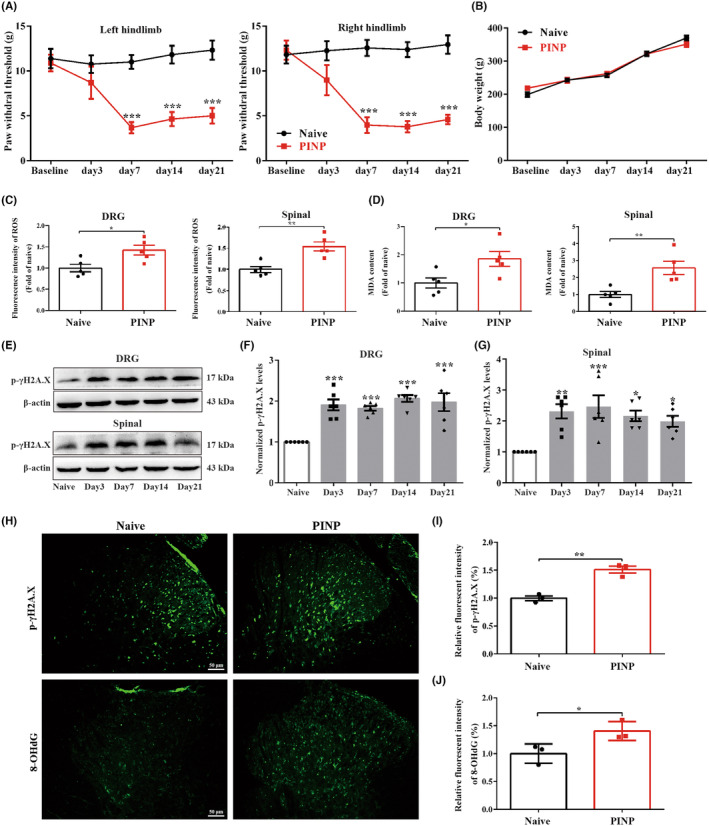
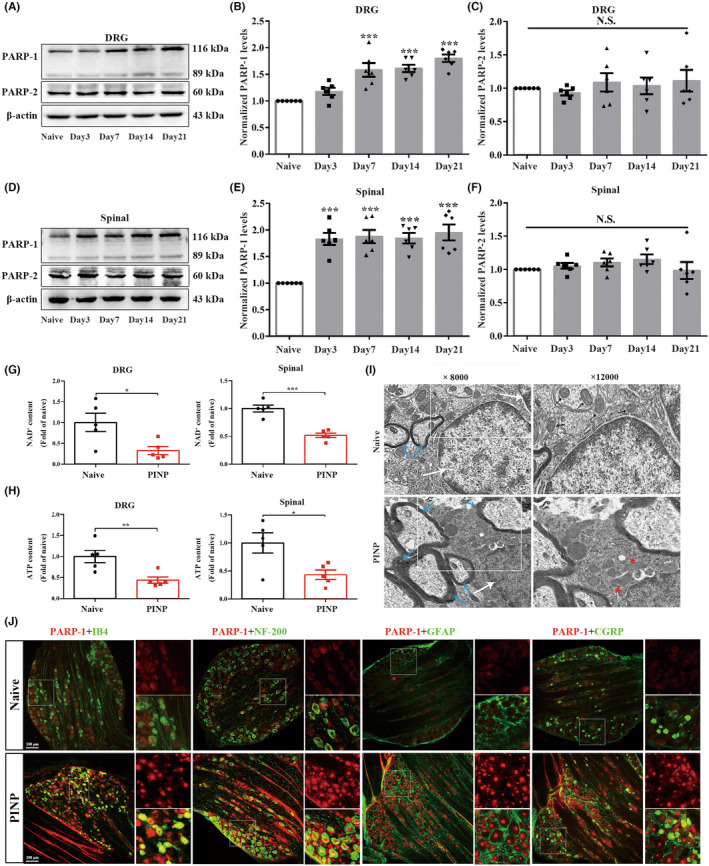
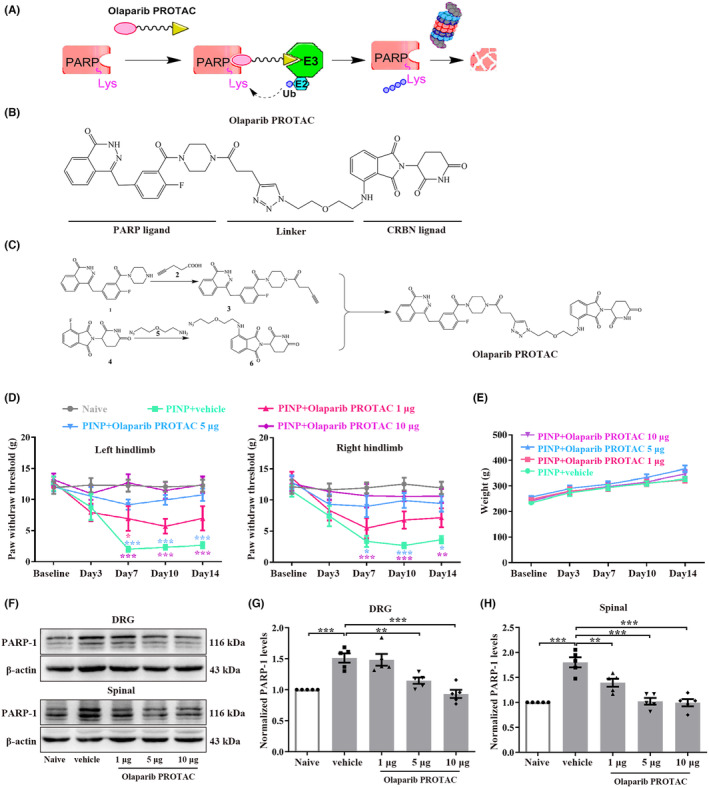
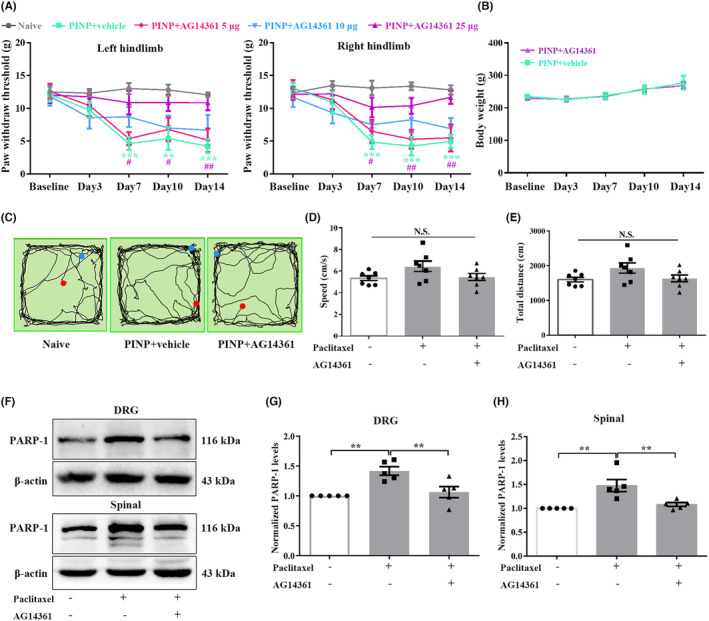
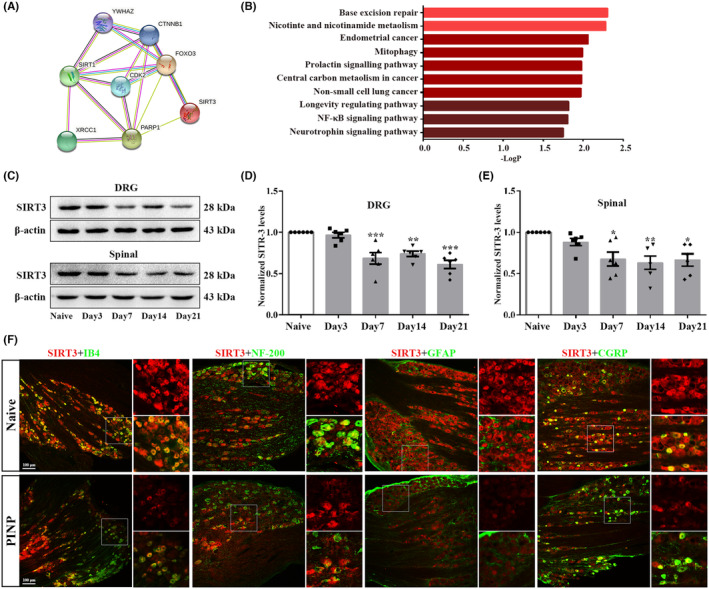
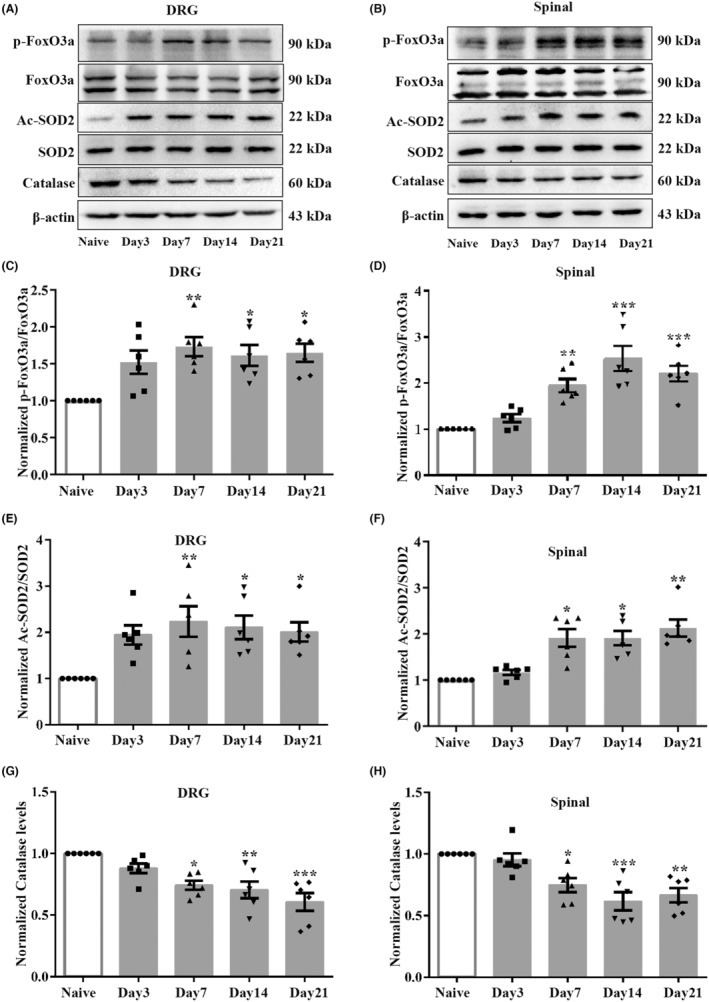
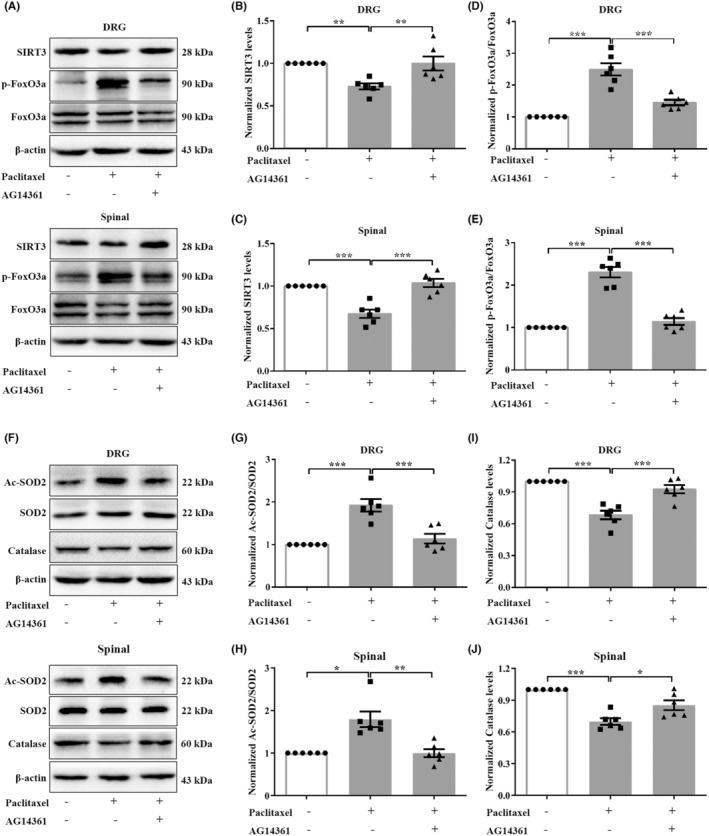
Methods and results: We reported induction of DNA oxidative damage, PARP-1 overactivation, and subsequent nicotinamide adenine dinucleotide (NAD+) depletion as crucial events in the pathogenesis of PINP. Therefore, we developed an Olaparib PROTAC to achieve the efficient degradation of PARP. Continuous intrathecal injection of Olaparib PROTAC protected against PINP by inhibiting the activity of PARP-1 in rats. PARP-1, but not PARP-2, was shown to be a crucial enzyme in the development of PINP. Specific inhibition of PARP-1 enhanced mitochondrial redox metabolism partly by upregulating the expression and deacetylase activity of sirtuin-3 (SIRT3) in the dorsal root ganglions and spinal cord in the PINP rats. Moreover, an increase in the NAD+ level was found to be a crucial mechanism by which PARP-1 inhibition enhanced SIRT3 activity.
Conclusion: The findings provide a novel insight into the mechanism of DNA oxidative damage in the development of PINP and implicate PARP-1 as a possible therapeutic target for clinical PINP treatment.
Keywords: Olaparib PROTAC; PARP‐1; Sirt‐3; oxidative metabolism; paclitaxel‐induced neuropathic pain.
© 2024 The Author(s). CNS Neuroscience & Therapeutics published by John Wiley & Sons Ltd.
Conflict of interest statement
The authors have declared that no conflict of interest exists.
Figures
References
-
- Nie B, Liu C, Bai X, et al. AKAP150 involved in paclitaxelh‐induced neuropathic pain via inhibiting CN/NFAT2 pathway and downregulating IL‐4. Brain Behav Immun. 2018;68:158‐168. - PubMed
Publication types
MeSH terms
Substances
Grants and funding
LinkOut - more resources
Full Text Sources
Miscellaneous
