


Diagnostic accuracy of periapical radiography and panoramic radiography in the detection of apical periodontitis: a systematic review and meta-analysis
- PMID: 39225920
- PMCID: PMC11554819
- DOI: 10.1007/s11547-024-01882-z
Diagnostic accuracy of periapical radiography and panoramic radiography in the detection of apical periodontitis: a systematic review and meta-analysis
Abstract
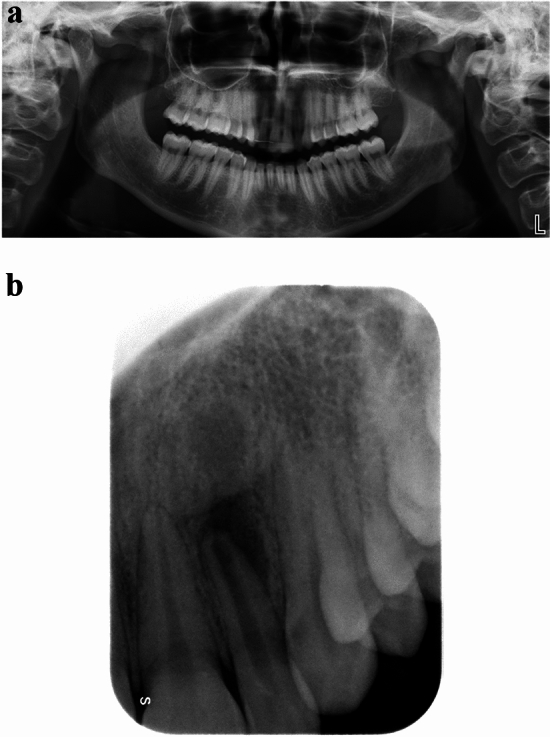
Objective: Apical periodontitis (AP) is one of the most common pathologies of the oral cavity. An early and accurate diagnosis of AP lesions is crucial for proper management and planning of endodontic treatments. This study investigated the diagnostic accuracy of periapical radiography (PR) and panoramic radiography (PAN) in the detection of clinically/surgically/histopathologically confirmed AP lesions.
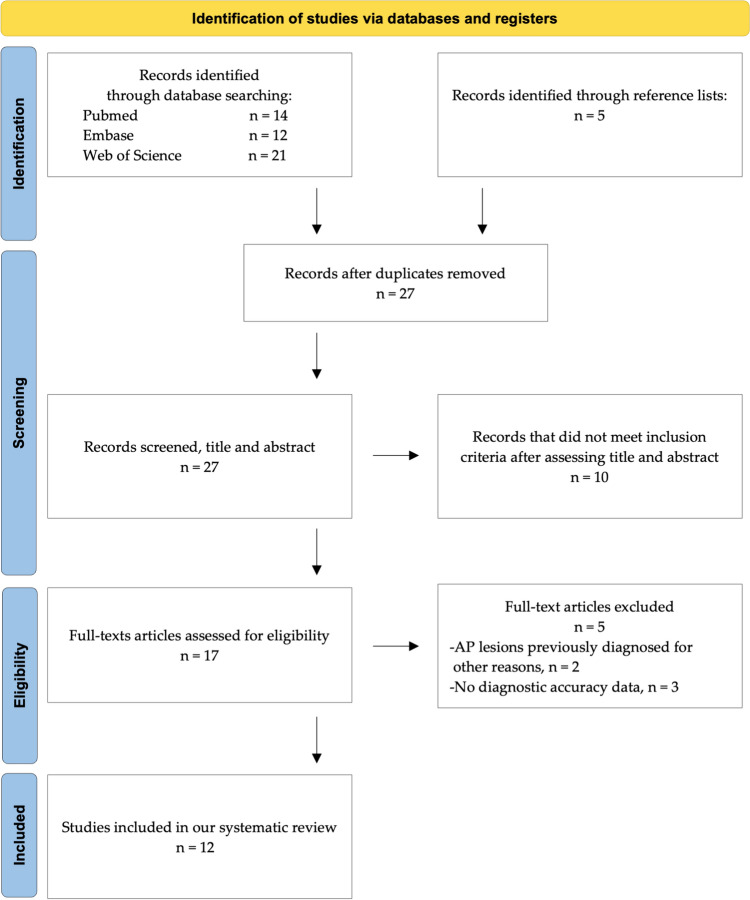
Method: A systematic literature review was conducted in accordance with the PRISMA guidelines. The search strategy was limited to English language articles via PubMed, Embase and Web of Science databases up to June 30, 2023. Such articles provided diagnostic accuracy values of PR and/or PAN in the detection of AP lesions or alternatively data needed to calculate them.
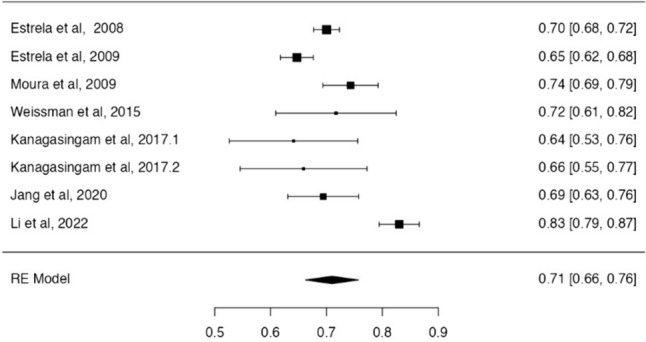
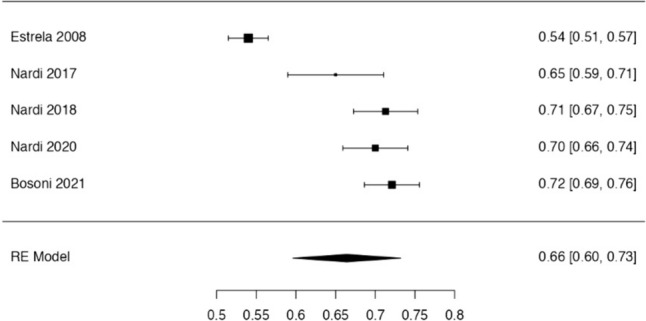
Results: Twelve studies met inclusion criteria and were considered for the analysis. The average value of diagnostic accuracy in assessing AP lesions was 71% for PR and 66% for PAN. According to different accuracy for specific anatomical areas, it is recommended to use PR in the analysis of AP lesions located in the upper arch and lower incisor area, whereas lower premolar and molar areas may be investigated with the same accuracy with PR or PAN.
Conclusions: Two-dimensional imaging must be considered the first-level examination for the diagnosis of AP lesions. PR had an overall slightly higher diagnostic accuracy than PAN. Evidence from this review provided a useful tool to support radiologists and dentists in their decision-making when inflammatory periapical bone lesions are suspected to achieve the best clinical outcome for patients, improving the quality of clinical practice.
Keywords: Apical periodontitis; Diagnostic accuracy; Panoramic radiography; Periapical radiography; Two-dimensional imaging.
© 2024. The Author(s).
Conflict of interest statement
Figures
References
-
- Tibúrcio-Machado CS, Michelon C, Zanatta FB, Gomes MS, Marin JA, Bier CA (2021) The global prevalence of apical periodontitis: a systematic review and meta-analysis. Int Endod J 54(5):712–735. 10.1111/iej.13467 - PubMed
-
- Nair PN (2000) Apical periodontitis: a dynamic encounter between root canal infection and host response. Periodontol 2007(13):121–148. 10.1111/j.1600-0757.1997.tb00098.x - PubMed
-
- Abbott PV (2004) Classification, diagnosis and clinical manifestations of apical periodontitis. Endod Top 8(1):36–54. 10.1111/j.1601-1546.2004.00098.x
-
- Wu M-K, Dummer PMH, Wesselink PR (2006) Consequences of and strategies to deal with residual post-treatment root canal infection. Int Endod J 39:343–356. 10.1111/j.1365-2591.2006.01092.x - PubMed
-
- García CC, Sempere FV, Diago MP, Bowen EM (2007) The post-endodontic periapical lesion: Histologic and etiopathogenic aspects. Med Oral Patol Oral Cir Bucal 12:E585–E590 - PubMed
Publication types
MeSH terms
LinkOut - more resources
Full Text Sources
Research Materials
Miscellaneous
