. 2024 Sep 3;10(1):79.
doi: 10.1038/s41522-024-00558-w.

Natural killer cell effector function is critical for host defense against alcohol-associated bacterial pneumonia

Affiliations

Natural killer cell effector function is critical for host defense against alcohol-associated bacterial pneumonia

Daniel N Villageliu et al. NPJ Biofilms Microbiomes. .

Abstract

Alcohol use is an independent risk factor for the development of bacterial pneumonia due, in part, to impaired mucus-facilitated clearance, macrophage phagocytosis, and recruitment of neutrophils. Alcohol consumption is also known to reduce peripheral natural killer (NK) cell numbers and compromise NK cell cytolytic activity, especially NK cells with a mature phenotype. However, the role of innate lymphocytes, such as NK cells during host defense against alcohol-associated bacterial pneumonia is essentially unknown. We have previously shown that indole supplementation mitigates increases in pulmonary bacterial burden and improves pulmonary NK cell recruitment in alcohol-fed mice, which were dependent on aryl hydrocarbon receptor (AhR) signaling. Employing a binge-on-chronic alcohol-feeding model we sought to define the role and interaction of indole and NK cells during pulmonary host defense against alcohol-associated pneumonia. We demonstrate that alcohol dysregulates NK cell effector function and pulmonary recruitment via alterations in two key signaling pathways. We found that alcohol increases transforming growth factor beta (TGF-β) signaling while suppressing AhR signaling. We further demonstrated that NK cells isolated from alcohol-fed mice have a reduced ability to kill Klebsiella pneumoniae. NK cell migratory capacity to chemokines was also significantly altered by alcohol, as NK cells isolated from alcohol-fed mice exhibited preferential migration in response to CXCR3 chemokines but exhibited reduced migration in response to CCR2, CXCR4, and CX3CR1 chemokines. Together this data suggests that alcohol disrupts NK cell-specific TGF-β and AhR signaling pathways leading to decreased pulmonary recruitment and cytolytic activity thereby increasing susceptibility to alcohol-associated bacterial pneumonia.


Conflict of interest statement

The authors declare no competing interests.

Figures
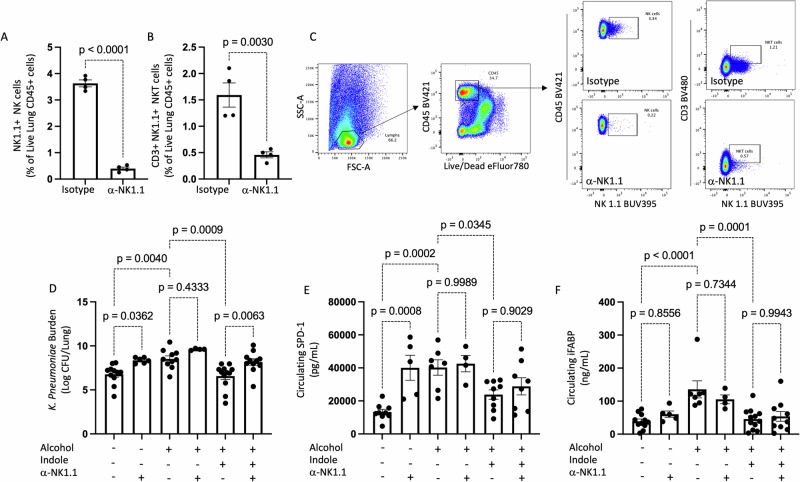
Fig. 1
Fig. 1. NK cells are required for optimal host defense against alcohol-associated pneumoniae.
A Percentage of pulmonary NK cells and (B) T-cells following NK1.1 depletion. C Representative gating strategy. D K. pneumoniae lung burden at 48 h. post-infection in binge-on-chronic alcohol-treated mice. E Circulating levels of surfactant protein D1 (SPD-1) in binge-on-chronic alcohol-treated mice 48 h. post infection. F Circulating levels of intestinal fatty acid binding protein (iFABP) in binge-on-chronic alcohol-treated mice 48 h. post-infection; p values are indicated in the figure by one‐way ANOVA with Sidak’s multiple comparison. N = 10–12 mice/group derived from 2 independent experiments. N = 4–6 mice/group for the alcohol-fed or pair-fed with NK depletion derived from 1 experiment.
Fig. 2
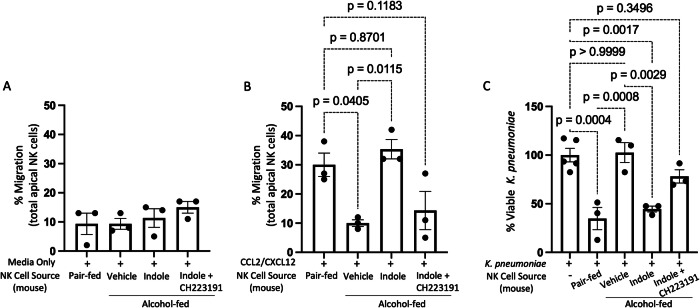
Fig. 2. Alcohol impairs NK cell migratory capacity and bactericidal activity.
Mouse primary NK cells were collected from alcohol-fed and treated mice and added to the apical side of a Transwell with migration assessed in response to (A) media alone, and (B) media with CCL2/CXCL12 following 5 h of incubation. C Primary NK cells were harvested from control and binge-on-chronic alcohol-fed mice with and without treatment. NK cells were then incubated with K. pneumoniae for 3 h. and bacterial viability was determined by serial dilution. p-values as determined by one‐way ANOVA with Sidak’s multiple comparisons are shown in the figure. N = 3 wells of primary NK cells/group (6 mice/group, NK cells per 2 mice were pooled).
Fig. 3
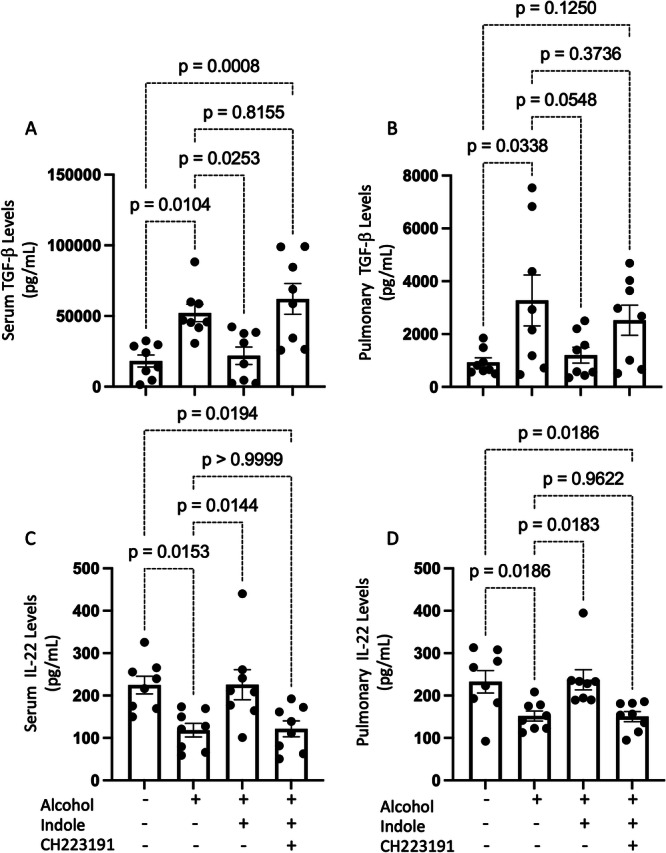
Fig. 3. Alcohol increases pulmonary and circulating levels of TGF-β but decreases IL-22 levels following bacterial pneumonia.
A Pulmonary TGF-β1 levels, B systemic TGF-β1 levels, as well as (C) pulmonary IL-22 levels, and (D) systemic IL-22 levels in binge-on-chronic alcohol-fed mice with and without treatment following K. pneumoniae infection. All graphs are 48 h. post infection; p values are indicated in the figure, as determined by one‐way ANOVA with Sidak’s multiple comparisons. N = 8 mice/group derived from 2 independent experiments.
Fig. 4
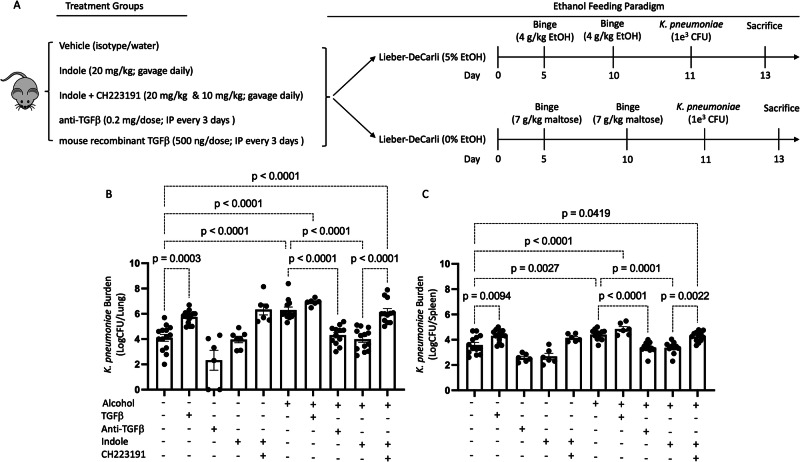
Fig. 4. Host defense against alcohol-associated bacterial pneumonia requires activated AhR and decreased TGF-b signaling.
A Overview of the dosing regimen for animals treated with indole, recombinant TGF-β1, anti-TGF-β1, and the AhR antagonist CH223191. K. pneumoniae (B) lung and (C) splenic burden at 48 h. post-infection in binge-on-chronic alcohol-treated mice. p values are indicated in the figure by one‐way ANOVA with Sidak’s multiple comparison. N = 6–14 mice/group derived from 2 independent experiments.
Fig. 5
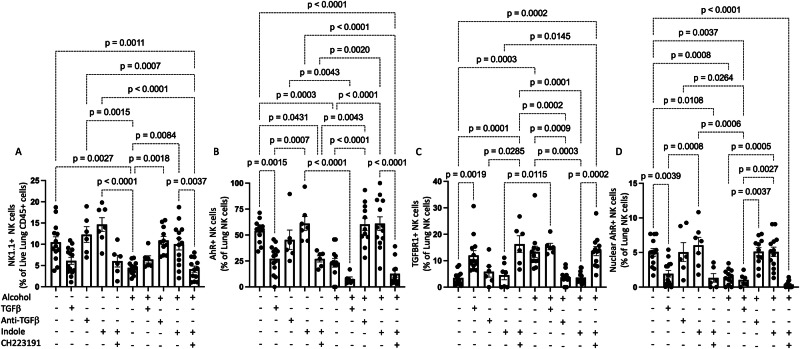
Fig. 5. Alcohol alters the profile of pulmonary NK cells.
Lungs were harvested from binge-on-chronic alcohol-fed mice with and without treatment post K. pneumoniae infection and the percentage and phenotype of pulmonary NK cells was assessed. The percentage of (A) NK1.1 cells, (B) AhR+ NK cells, (C) TGF-βR1 + NK cells, and (D) percentage of pulmonary NK cells with nuclear localization of AhR, was assessed using Anims FlowSight. p values are indicated by one‐way ANOVA with Sidak’s multiple comparisons. N = 6–14 mice/group derived from 2 independent experiments.
Fig. 6
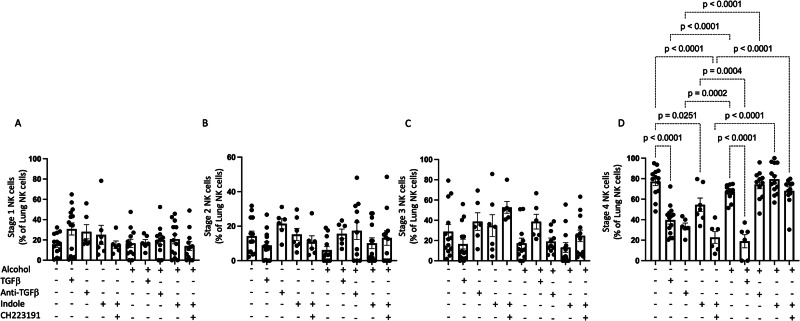
Fig. 6. Alcohol decreases stage 4 mature pulmonary NK cells via alterations in AhR and TGF-β signaling.
The proportion of pulmonary (A) stage I, (B) stage 2, (C) stage 3, and (D) stage 4 NK cells in binge-on-chronic alcohol mice treated with TGF-β1, anti-TGF-β1, indole, and CH223191. p values are indicated in the figure by one‐way ANOVA with Sidak’s multiple comparison. N = 6–14 mice/group derived from 2 independent experiments.
Fig. 7
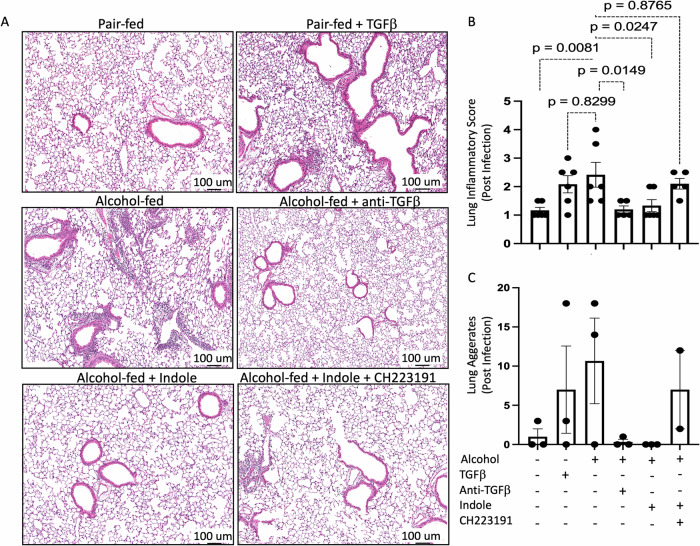
Fig. 7. Pulmonary injury and inflammation following alcohol-associated bacterial pneumonia is mitigated by indole treatment.
Alcohol-fed mice were infected with K. pneumoniae, and pulmonary damage was assessed 48 h. post-infection. A Representative pulmonary histology (20x magnification) of K. pneumoniae infected mice, B quantification of the lung inflammatory score, and (C) lung aggregates. p values are indicated in the figure by one‐way ANOVA with Sidak’s multiple comparison. N = 6 mice/group derived from 2 independent experiments.
Fig. 8
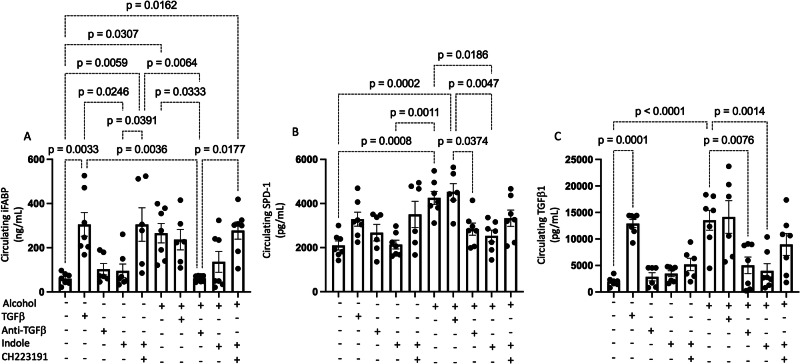
Fig. 8. Alcohol increases epithelial barrier dysfunction and TGF-β1 levels.
Alcohol-fed mice were infected with K. pneumoniae, and epithelial damage was assessed 48 h. post-infection. Circulating levels of (A) iFABP, (B) SDP-1, and (C) TGF-β1. p values are indicated in the figure by one‐way ANOVA with Sidak’s multiple comparison. N = 6–7 mice/group from 2 independent experiments.
Fig. 9
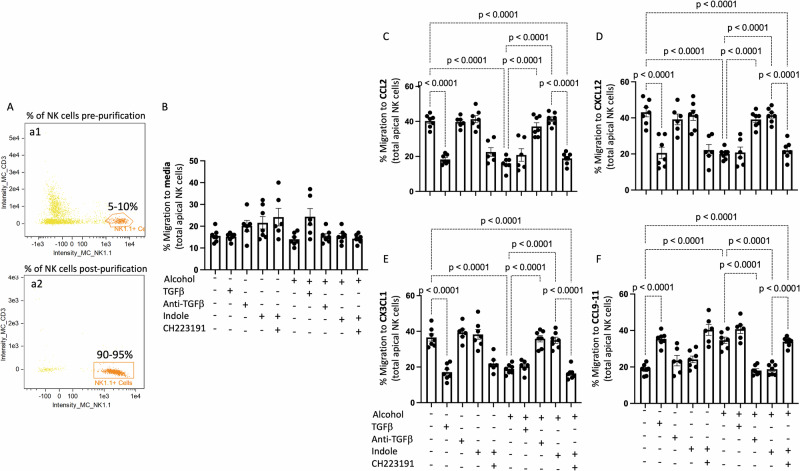
Fig. 9. Alcohol dysregulates NK cell migration in response to chemokines.
Mouse primary splenic NK cells were collected from alcohol-fed and treated mice and added to the apical side of a Transwell and migration in response to different chemokines was assessed following 5 h of incubation. A Confirmation of NK cell purification. (a1) Percentage of NK cells pre-isolation, and (a2) percentage of NK cells post-isolation. NK cell migration response profiles to (B) medial alone, (C) CCL2, (D) CXCL12, (E) CX3CL1, and (F) CCL9-11. Percent migration was calculated as the total number of viable NK cells in the bottom well divided by the total number of viable NK cells added to the Transwell insert. p values are indicated in the figure by one‐way ANOVA with Sidak’s multiple comparison. N = 6–7 wells of primary NK cells/group (12–14 mice/group, NK cells per 2 mice were pooled) derived from 2 independent experiments.
Fig. 10
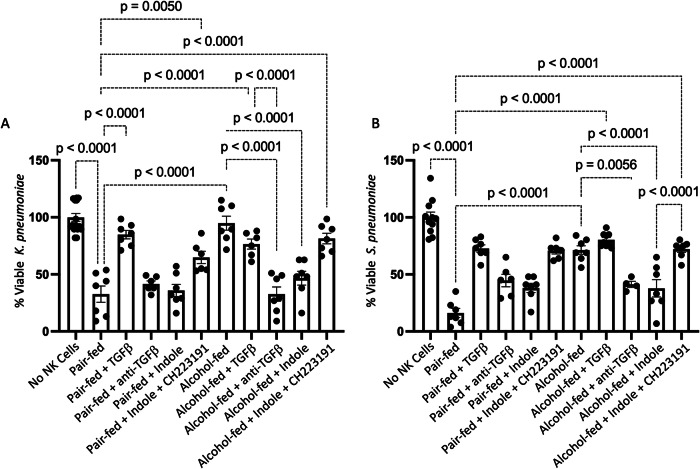
Fig. 10. Alcohol dysregulates NK cell bactericidal capacity.
Mouse primary splenic NK cells were collected from alcohol-fed and treated mice and co-cultured with bacteria for 3 h. A Percent viable K. pneumoniae, and (B) percent viable S. pneumoniae 3 h. post co-culture. Percent killing was calculated as the total number of viable bacteria post 3 h. incubation divided by the number of viable bacteria grown in OptiMEM without NK cells present. p values are indicated in the figure by one‐way ANOVA with Sidak’s multiple comparison. N = 6–7 wells of primary NK cells/group (12–14 mice/group, NK cells per 2 mice were pooled) derived from 2 independent experiments.
Fig. 11
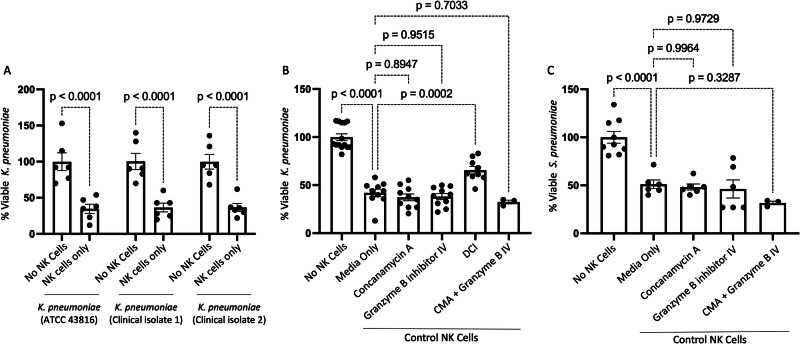
Fig. 11. Mouse primary splenic NK cells were collected from wild-type mice and co-cultured with bacteria for 3 h.
A Percent viable K. pneumoniae (ATCC 43816), K. pneumoniae (clinical isolate 1), and K. pneumoniae (clinical isolate 2). Primary control NK cells were pre-treated with various inhibitors prior to co-culturing with K. pneumoniae or S. pneumoniae. Percent viable (B) K. pneumoniae and (C) S. pneumoniae 3 h. post co-culture with inhibitor pre-treatment. N = 6–10 wells of primary NK cells derived from 2 independent experiments. N = 3 wells of primary NK cells for the combo treatment with CMA and Granzyme B IV inhibitors derived from 1 experiment.
Fig. 12
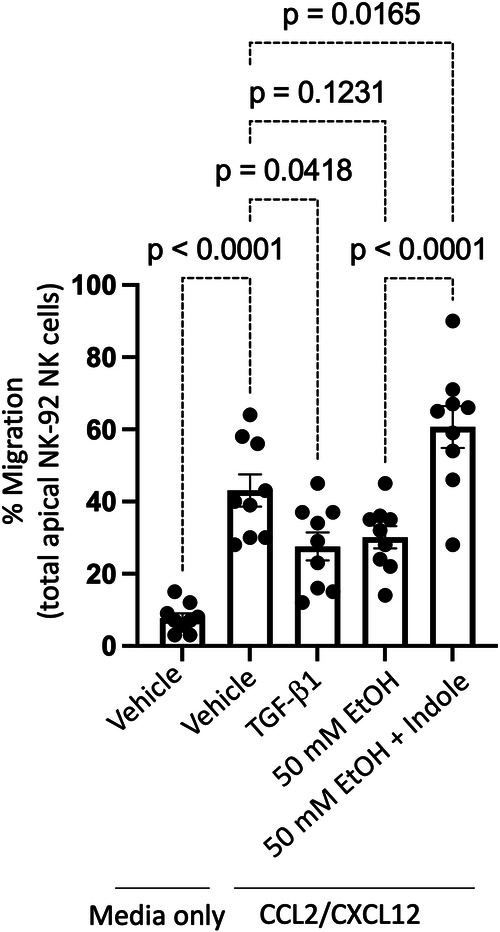
Fig. 12. Alcohol dysregulates human NK cell migration.
Human NK cells (NK-92 cell line) were treated with alcohol, indole, or recombinant TGF-β1, and NK cell migration in response to the CCL2/CXCL12 was assessed. p values are indicated in the figure by one‐way ANOVA with Sidak’s multiple comparison. N = 9 wells of NK-92 NK cells/group derived from 3 independent experiments.
Fig. 13
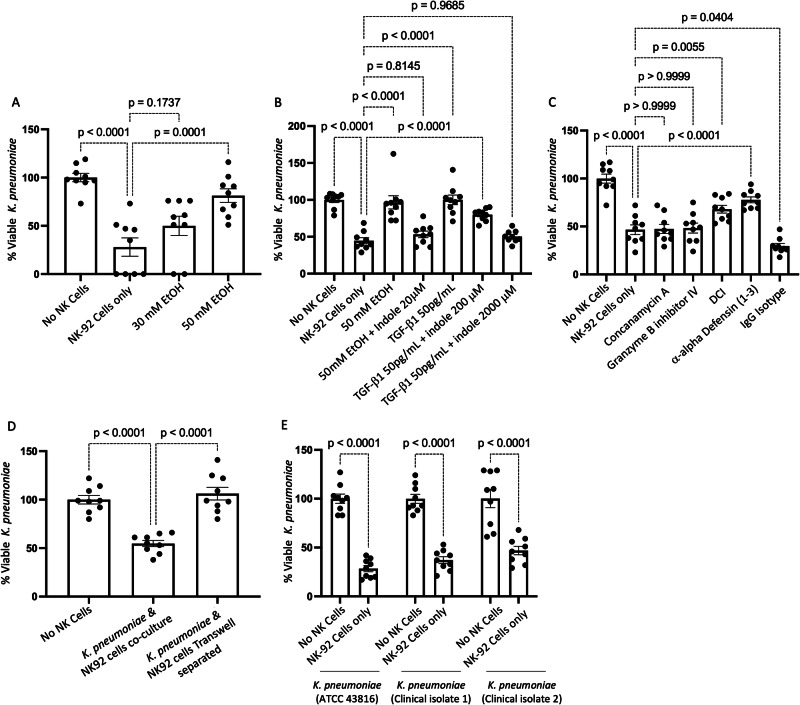
Fig. 13. Alcohol dysregulates human NK cell bactericidal capacity.
Human NK cells (NK-92 cell line) were treated with alcohol, indole, or recombinant TGF-β1, and NK cell bactericidal capacity was assessed. AD Percent viable K. pneumoniae 3 h. post co-culture with NK cells pre-treated with different compounds/inhibitors. A Ethanol dose-dependent inhibition of bactericidal capacity. B Inhibition of bactericidal capacity via TGF-β1 and rescue of alcohol-mediated and TGF-β1-mediated inhibition via indole. C NK cell bactericidal capacity is mediated via alpha-defensin and total granzyme production. D NK cell bactericidal capacity is contact-dependent. E NK cell bactericidal capacity against clinical isolates. p values are indicated in the figure by one‐way ANOVA with Sidak’s multiple comparison. N = 9 wells of NK-92 NK cells/group derived from 3 independent experiments.
Fig. 14
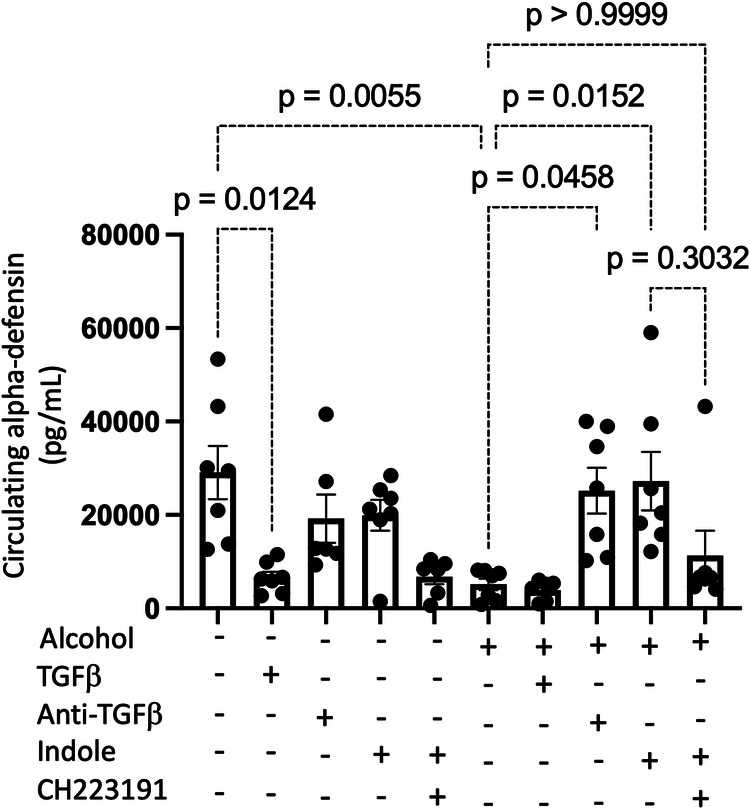
Fig. 14. Alcohol decreases circulating alpha-defensin 1 levels.
Alcohol-fed mice with and without treatments were infected with K. pneumoniae and serum was collected 48 h. post infection. Circulating levels of alpha-defensin 1 48 h. post infection; p values are indicated in the figure by one‐way ANOVA with Sidak’s multiple comparison. N = 6–7 mice/group from 2 independent experiments.

Update of

References

    1. Simet, S. M. & Sisson, J. H. Alcohol’s effects on lung health and immunity. Alcohol Res.37, 199–208 (2015). - PMC - PubMed
    1. Happel, K. I. & Nelson, S. Alcohol, immunosuppression, and the lung. Proc. Am. Thorac. Soc.2, 428–432 (2005). 10.1513/pats.200507-065JS - DOI - PubMed
    1. Jong, G. M., Hsiue, T. R., Chen, C. R., Chang, H. Y. & Chen, C. W. Rapidly fatal outcome of bacteremic Klebsiella pneumoniae pneumonia in alcoholics. Chest107, 214–217 (1995). 10.1378/chest.107.1.214 - DOI - PubMed
    1. Sisson, J. H. Alcohol and airways function in health and disease. Alcohol41, 293–307 (2007). 10.1016/j.alcohol.2007.06.003 - DOI - PMC - PubMed
    1. Samuelson, D. R. et al. Alcohol-associated intestinal dysbiosis impairs pulmonary host defense against Klebsiella pneumoniae. PLoS Pathog.13, e1006426 (2017). 10.1371/journal.ppat.1006426 - DOI - PMC - PubMed

MeSH terms

LinkOut - more resources