Meta-Analysis
. 2024 Sep 4;25(1):292.
doi: 10.1186/s12882-024-03728-2.

Urinary CXCL-10, a prognostic biomarker for kidney graft injuries: a systematic review and meta-analysis

Affiliations
Meta-Analysis

Urinary CXCL-10, a prognostic biomarker for kidney graft injuries: a systematic review and meta-analysis

Sahar Janfeshan et al. BMC Nephrol. .

Abstract

The challenges of long-term graft survival and the side effects of current immunosuppressive therapies in kidney transplantation highlight the need for improved drugs with fewer adverse effects. Biomarkers play a crucial role in quickly detecting post-transplant complications, with new biomarkers showing promise for ongoing monitoring of disease and potentially reducing the need for unnecessary invasive biopsies. The chemokines such as C-X-C motif chemokine ligand 10 (CXCL10), are particularly promising protein biomarkers for acute renal rejection, with urine samples being a desirable source for biomarkers. The aim of this review is to analyze the literature on the potential role of urinary CXCL10 protein in predicting kidney graft injuries. The results of this study demonstrate that evaluating urinary CXCL10 levels is more successful in identifying post-transplant injuries compared to assessing the CXCL10/Cr ratio.

Keywords: Biomarker; CXCL10; Kidney graft; Meta-analysis; Urine.


Conflict of interest statement

The authors declare no competing interests.

Figures
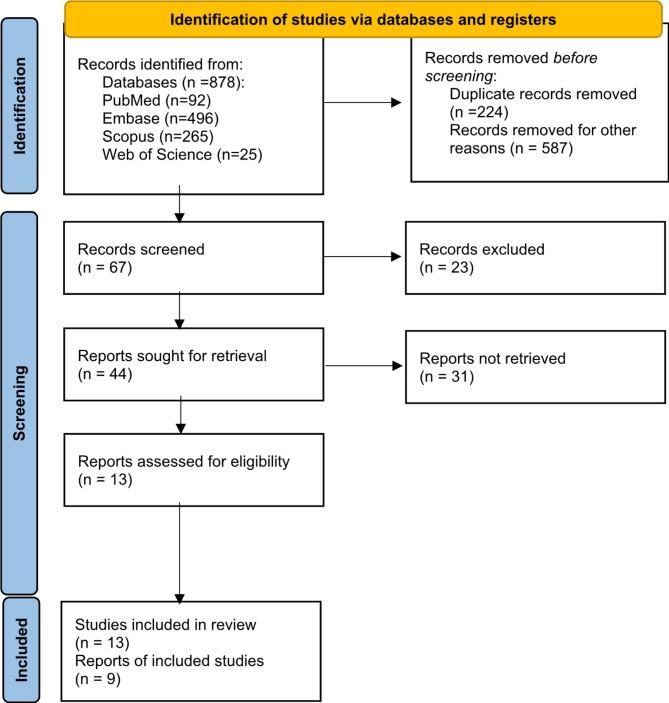
Fig. 1
Fig. 1
Flow diagram for screening related articles; a total of 878 articles were initially retrieved and finally after removing deduplication (224), incompatibility of titles and abstracts )587(, further exclusion of 23, 31 and 4 articles due to the assay techniques, use of non-urinary sample types, and the inability of extracting data, resulted in 9 articles
Fig. 2
Fig. 2
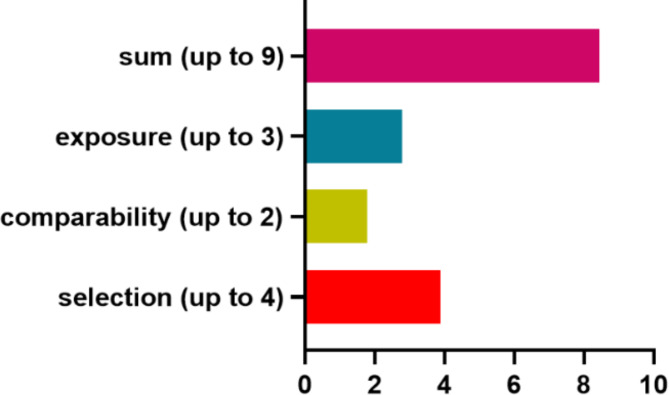
The quality assessment of included studies using the Newcastle-Ottawa Scale (NOS); The NOS evaluates studies on their selection of groups, comparability of groups, and ascertainment of exposure or outcomes, represented in the star ratings displayed in X-axis
Fig. 3
Fig. 3
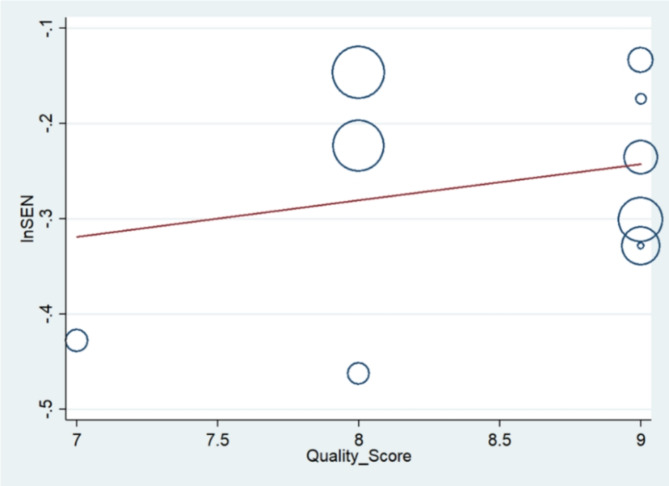
The metareg plot evaluating the quality of included studies in the meta-analysis; This plot visually displays the relationship between the study quality scores based on sensitivity
Fig. 4
Fig. 4
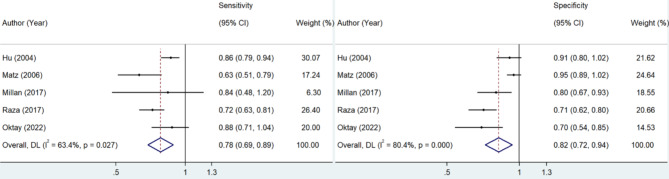
Forest plots; show the 5 included studies heterogeneity and estimated exposures, sensitivity (left) and specificity (right), with urinary CXCL10 as outcome
Fig. 5
Fig. 5
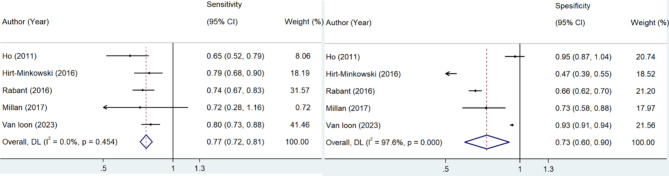
Forest plots; show the 5 included studies heterogeneity and estimated exposures, sensitivity (left) and specificity (right), with urinary CXCL10/Cr as outcome
Fig. 6
Fig. 6
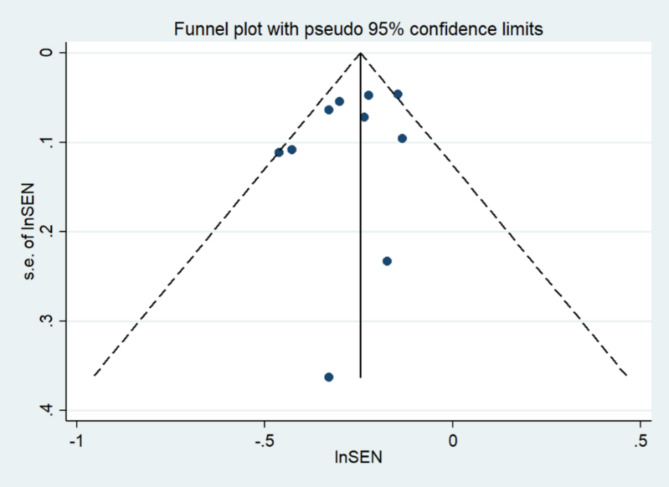
The funnel plot; used to assess the potential for publication bias among the included studies for sensitivity as the exposure

References

    1. Szumilas K, Wilk A, Wiśniewski P, Gimpel A, Dziedziejko V, Kipp M et al. Current Status regarding immunosuppressive treatment in patients after renal transplantation. Int J Mol Sci. 2023;24(12). - PMC - PubMed
    1. Wojciechowski D, Wiseman A. Long-term immunosuppression management opportunities and uncertainties. Clin J Am Soc Nephrol. 2021;16(8):1264–71. 10.2215/CJN.15040920 - DOI - PMC - PubMed
    1. Han HS, Lubetzky ML. Immune monitoring of allograft status in kidney transplant recipients. Front Nephrol. 2023;3(November):1–7. - PMC - PubMed
    1. Guzzi F, Cirillo L, Buti E, Becherucci F, Errichiello C, Roperto RM, et al. Urinary biomarkers for diagnosis and prediction of acute kidney allograft rejection: a systematic review. Int J Mol Sci. 2020;21(18):1–21.10.3390/ijms21186889 - DOI - PMC - PubMed
    1. Quaglia M, Merlotti G, Guglielmetti G, Castellano G, Cantaluppi V. Recent advances on biomarkers of early and late kidney graft dysfunction. Int J Mol Sci. 2020;21(15):1–34.10.3390/ijms21155404 - DOI - PMC - PubMed

LinkOut - more resources