


Balancing Maternal Melanoma and Vaginal Birth After Cesarean (VBAC) Delivery: A Case Report Highlighting Shared Decision-Making
- PMID: 39238715
- PMCID: PMC11376318
- DOI: 10.7759/cureus.66279
Balancing Maternal Melanoma and Vaginal Birth After Cesarean (VBAC) Delivery: A Case Report Highlighting Shared Decision-Making
Abstract
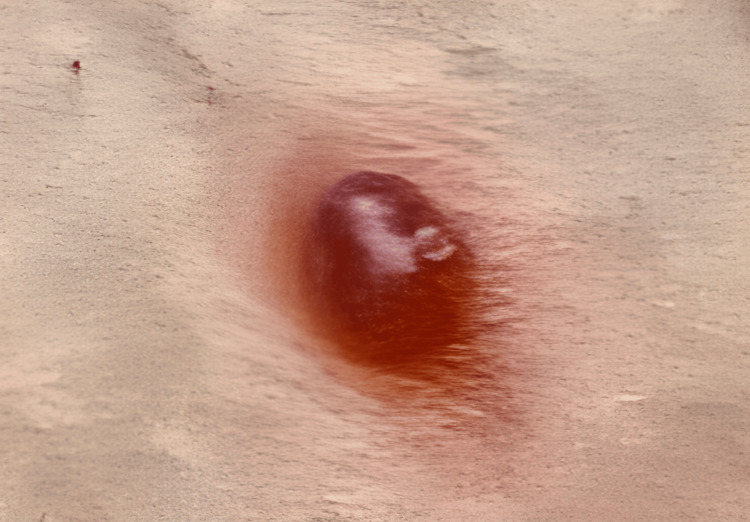
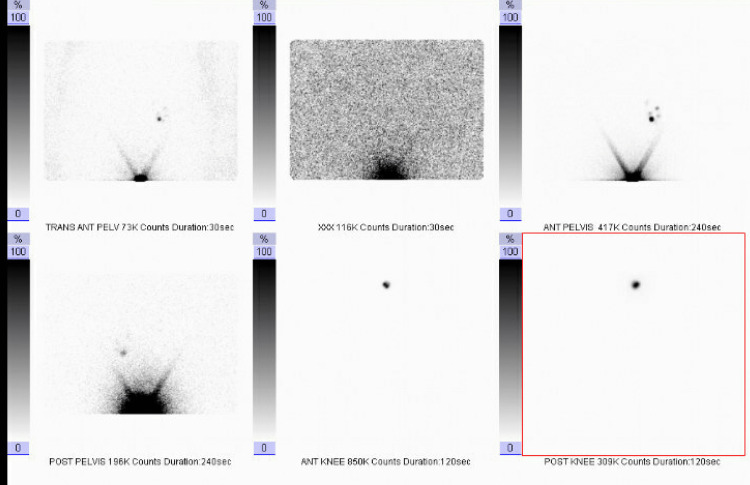
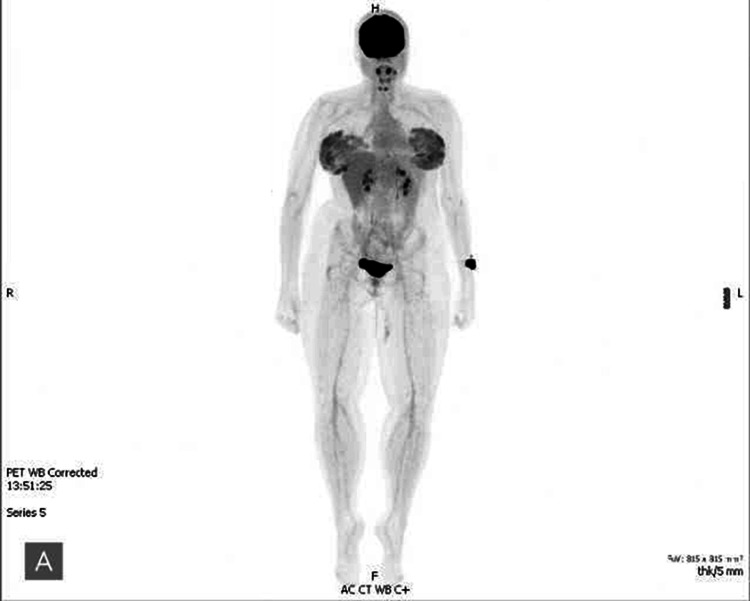
Melanoma is increasingly common among reproductive-age women and is one of the most common cancers diagnosed during pregnancy. The literature for melanoma in pregnancy, especially among those with prior uterine scars, is limited. We present an interesting case of a 22-year-old woman who went to her dermatologist for a suspicious lesion on her thigh. The lesion was excised, and histopathology confirmed that it was a melanoma. The dermatologist recommended immediate delivery. The patient then urged her obstetrician to undergo the risks of an induction of labor (IOL) for a trial of labor after cesarean (TOLAC) because she desired a large family, and a second cesarean would make this more difficult to happen. She ultimately had a successful vaginal birth after cesarean (VBAC) and subsequent excision of the melanoma with surgical oncology in the immediate postpartum period. Therefore, the decision for IOL for TOLAC in this case was based on the patient's fears regarding melanoma disease progression in her 39th week. Given the short time course between delivery and excision of her melanoma, it is possible that she may have been able to wait for spontaneous labor, which would have avoided the risks associated with IOL for TOLAC. The optimal timing of surgical intervention for melanoma in pregnant patients who desire TOLAC is unknown. In pregnancies that are approaching their due date, waiting for spontaneous labor may be a reasonable approach to avoid the risks of labor induction, especially in women with prior cesarean delivery. A multidisciplinary approach involving dermatology, surgical oncology, and the obstetric team is warranted to optimize both dermatologic and obstetric outcomes.
Keywords: induction of labor; malignancy; melanoma; trial of labor after cesarean; vaginal birth after cesarean.
Copyright © 2024, Vurture et al.
Conflict of interest statement
Human subjects: Consent was obtained or waived by all participants in this study. Conflicts of interest: In compliance with the ICMJE uniform disclosure form, all authors declare the following: Payment/services info: All authors have declared that no financial support was received from any organization for the submitted work. Financial relationships: All authors have declared that they have no financial relationships at present or within the previous three years with any organizations that might have an interest in the submitted work. Other relationships: All authors have declared that there are no other relationships or activities that could appear to have influenced the submitted work.
Figures
References
-
- U.S. Centers for Disease Control and Prevention: United States cancer statistics. [ Aug; 2024 ]. 2024. https://www.cdc.gov/united-states-cancer-statistics/ https://www.cdc.gov/united-states-cancer-statistics/
-
- Maternal and perinatal outcomes associated with a trial of labor after prior cesarean delivery. Landon MB, Hauth JC, Leveno KJ, et al. N Engl J Med. 2004;351:2581–2589. - PubMed
-
- Delivery after previous cesarean: a risk evaluation. Swiss Working Group of Obstetric and Gynecologic Institutions. Rageth JC, Juzi C, Grossenbacher H. Obstet Gynecol. 1999;93:332–337. - PubMed
-
- Predicting outcomes of trials of labor in women attempting vaginal birth after cesarean delivery: a comparison of multivariate methods with neural networks. Macones GA, Hausman N, Edelstein R, Stamilio DM, Marder SJ. Am J Obstet Gynecol. 2001;184:409–413. - PubMed
Publication types
LinkOut - more resources
Full Text Sources