


The influence of decisional conflict on treatment decision in pelvic organ prolapse-data from the SHADE-POP trial
- PMID: 39240322
- PMCID: PMC11485086
- DOI: 10.1007/s00404-024-07723-8
The influence of decisional conflict on treatment decision in pelvic organ prolapse-data from the SHADE-POP trial
Abstract
Purpose: Women with symptomatic pelvic organ prolapse are facing the choice between several treatment options and a potentially difficult decision. The aim of this study was to examine the effect of decisional conflict, patient characteristics and other decision-related factors on treatment decision in women with pelvic organ prolapse.
Methods: Data from the SHADE-POP trial were used. Women with symptomatic pelvic organ prolapse who visited their gynaecologist for (new) treatment options were included. In all participants, demographical characteristics and validated questionnaires concerning decisional conflict (DCS), shared decision making (SDM-Q-9), information provision (SCIP-B), anxiety and depression (HADS) and satisfaction with care (PSQ-18) were collected 2 weeks after the visit. Analyses were performed using univariate and multivariate linear and logistic regression analyses.
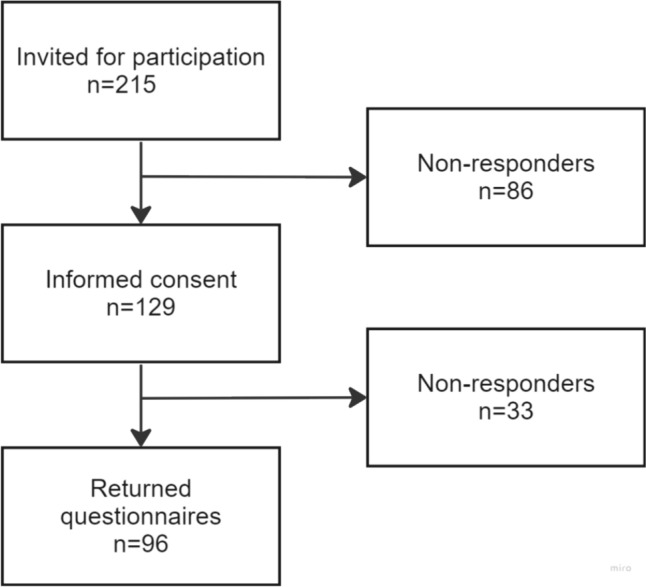
Results: Ninety six women with pelvic organ prolapse facing a treatment decision were included. An increase in decisional conflict as experienced by patients was related to the choice of more conservative treatment, such as pelvic floor muscle training or pessary, instead of surgery (p = 0.02). Shared decision making, better information provision and satisfaction with care were related to lower levels of decisional conflict (p = 0.001).
Conclusion: Decisional conflict in women with pelvic organ prolapse favours conservative treatment instead of surgery. Gaining knowledge on the effect of decisional conflict, patient characteristics and other decision-related factors on treatment decision in pelvic organ prolapse will be a step towards a better-guided treatment decision and better patient-reported outcomes for this group of patients. NL 55737.028.15, 30-10-2016.
Keywords: Decisional support; Patient participation; Pelvic organ prolapse; Shared decision making; Urogynaecology.
© 2024. The Author(s).
Conflict of interest statement
The authors have no relevant financial or non-financial interests to disclose. This study was performed in line with the principles of the Declaration of Helsinki.
References
-
- Mattsson NK, Karjalainen PK, Tolppanen AM, Heikkinen AM, Sintonen H, Harkki P et al (2020) Pelvic organ prolapse surgery and quality of life-a nationwide cohort study. Am J Obstet Gynecol 222(588):e1–e10 - PubMed
Publication types
MeSH terms
LinkOut - more resources
Full Text Sources
Medical
