


Clinical observation of topical antipruritic spray acting on epidermal growth factor receptor tyrosine kinase inhibitor in the treatment of dermatitis
- PMID: 39259063
- PMCID: PMC11142818
- DOI: 10.1097/MD.0000000000038390
Clinical observation of topical antipruritic spray acting on epidermal growth factor receptor tyrosine kinase inhibitor in the treatment of dermatitis
Abstract
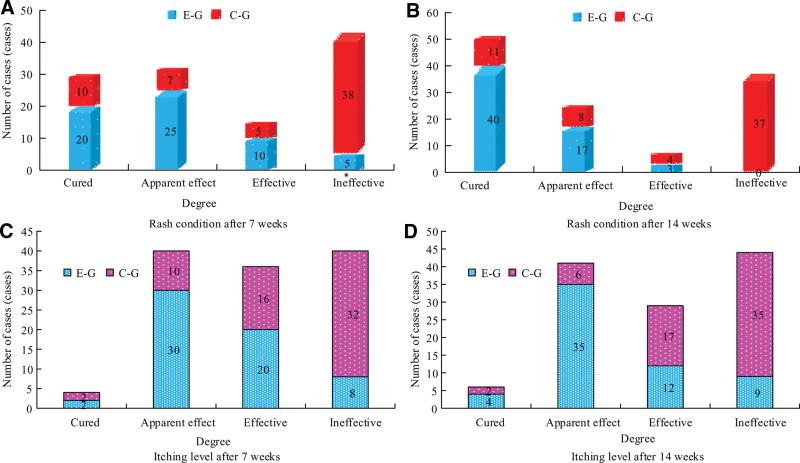
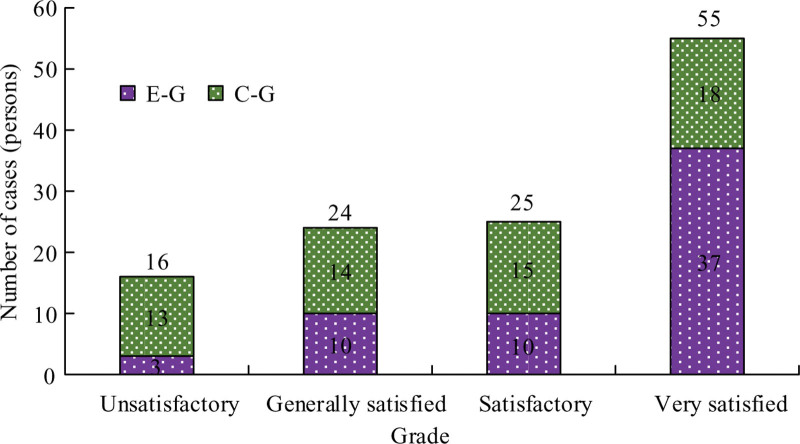
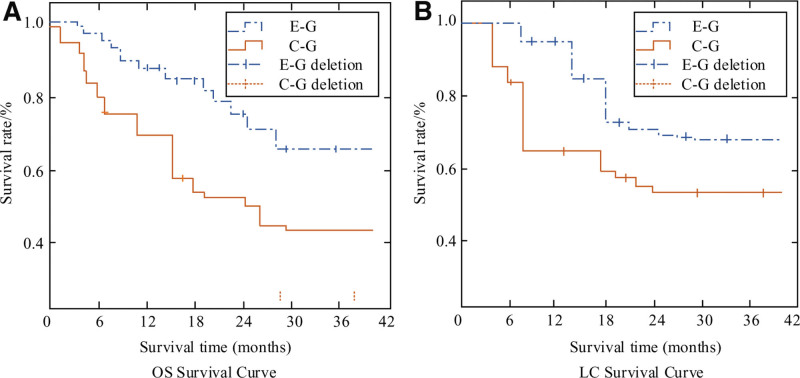
To observe the efficacy of topical antipruritic spray (TAS) in the treatment of epidermal growth factor receptor (EGFR) tyrosine kinase-related rashes, and to evaluate its efficacy and safety. 120 malignant tumor patients with confirmed pathological diagnosis and rash after EGFR application were selected and randomly divided into an experimental group of 60 cases and a control group of 60 cases. The 2 groups were intervened with self-made antipruritic spray and erythromycin ointment for 14 consecutive days. To observe the changes in rash, itching degree, and quality of life index of skin diseases in both groups of patients before and after treatment. The decrease in the number of itching cases in the experimental group reached 53.84%, and after 7 weeks of intervention, the total effective rate of rash treatment in this group of patients (91.67%) was significantly better than that in the control group (36.67%); The symptoms of the dermatology life quality index (DLQI) scale in the experimental group patient table after intervention showed significant changes compared to before intervention. After statistical testing, there was a significant difference between the groups and outside the group (R < 0.05). And the comprehensive effect of the experimental patients with external spray after 14 weeks of intervention reached 93.16%. The self-made antipruritic spray has significant effect on improving EGFR rash and itching, and there is no obvious adverse reaction.
Copyright © 2024 the Author(s). Published by Wolters Kluwer Health, Inc.
Conflict of interest statement
The authors have no conflicts of interest to disclose.
Figures
References
-
- Murashkin NN, Opryatin LA, Epishev RV, et al. . Pruritus and atopic dermatitis: from etiological features to management. Вопросы современной педиатрии. 2020;19:468–76.
-
- Majid M, Zivar A, Haniyeh E, et al. . Anti-tumor activity of cediranib, a pan-vascular endothelial growth factor receptor inhibitor, in pancreatic ductal adenocarcinoma cells. Cell Oncol (Dordr). 2020;4:81–93. - PubMed
-
- Kafatos G, Dube S, Burdon P, et al. . Management of EGFR inhibitor-induced skin toxicity and factors impacting patients’ adherence to skin toxicity treatment: health care provider and patient surveys in European oncology centers. Clin Colorectal Cancer. 2020;19:100–8.e9. - PubMed
-
- Lee JH, Ju HJ, Kwon HS, et al. . Efficacy of topical epidermal growth factor cream for patients with epidermal growth factor receptor inhibitor-induced acneiform eruption: a randomized controlled trial. Br J Dermatol. 2020;182:219–21. - PubMed
-
- Zheng SY, Cui HJ, Peng YM, et al. . Efficacy of traditional Chinese medicine in the treatment of rash caused by epidermal growth factor receptor inhibitors: a frequency statistics and meta-analysis. World J Tradit Chin Med. 2019;5:269–75.
Publication types
MeSH terms
Substances
LinkOut - more resources
Full Text Sources
Research Materials
Miscellaneous
