


From bytes to bedside: a systematic review on the use and readiness of artificial intelligence in the neonatal and pediatric intensive care unit
- PMID: 39264415
- PMCID: PMC11541391
- DOI: 10.1007/s00134-024-07629-8
From bytes to bedside: a systematic review on the use and readiness of artificial intelligence in the neonatal and pediatric intensive care unit
Abstract
Purpose: Despite its promise to enhance patient outcomes and support clinical decision making, clinical use of artificial intelligence (AI) models at the bedside remains limited. Translation of advancements in AI research into tangible clinical benefits is necessary to improve neonatal and pediatric care for critically ill patients. This systematic review seeks to assess the maturity of AI models in neonatal and pediatric intensive care unit (NICU and PICU) treatment, and their risk of bias and objectives.
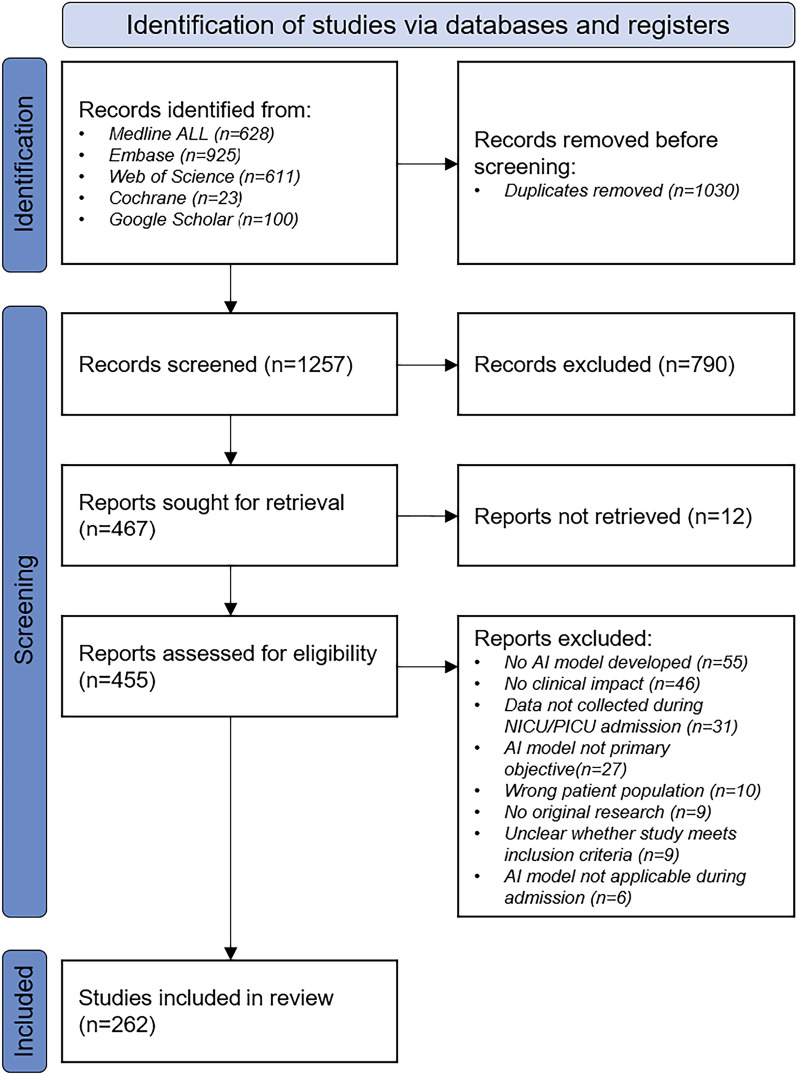
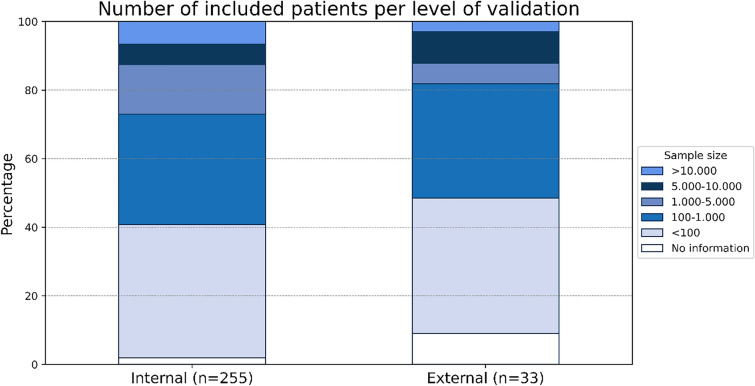
Methods: We conducted a systematic search in Medline ALL, Embase, Web of Science Core Collection, Cochrane Central Register of Controlled Trials, and Google Scholar. Studies using AI models during NICU or PICU stay were eligible for inclusion. Study design, objective, dataset size, level of validation, risk of bias, and technological readiness of the models were extracted.
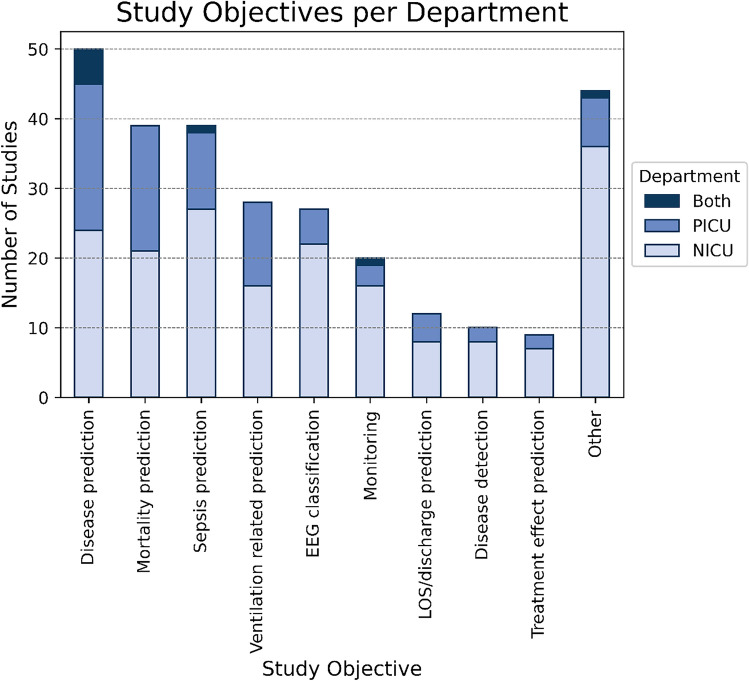
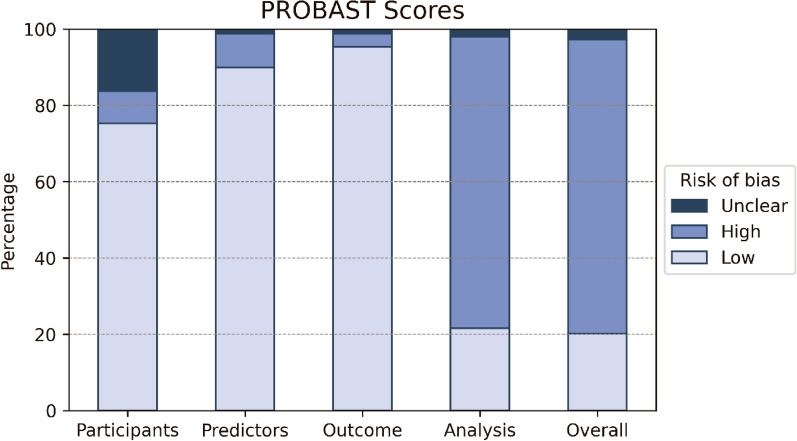
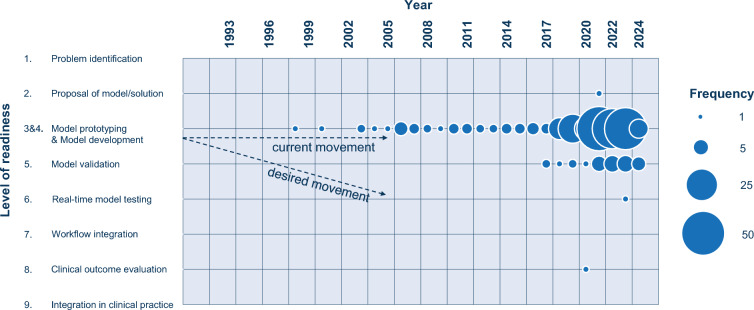
Results: Out of the 1257 identified studies 262 were included. The majority of studies was conducted in the NICU (66%) and most had a high risk of bias (77%). An insufficient sample size was the main cause for this high risk of bias. No studies were identified that integrated an AI model in routine clinical practice and the majority of the studies remained in the prototyping and model development phase.
Conclusion: The majority of AI models remain within the testing and prototyping phase and have a high risk of bias. Bridging the gap between designing and clinical implementation of AI models is needed to warrant safe and trustworthy AI models. Specific guidelines and approaches can help improve clinical outcome with usage of AI.
Keywords: Artificial intelligence; Machine learning; Neonatal intensive care unit; Pediatric intensive care unit; Technology readiness level.
© 2024. The Author(s).
Conflict of interest statement
The authors declare that they have no conflict of interest.
Figures
References
-
- Stanford Institute for Human-Centered Artificial Intelligence (2024) The AI index report measuring trends in AI. https://aiindex.stanford.edu/report/. Accessed 24 Apr 2024
Publication types
MeSH terms
LinkOut - more resources
Full Text Sources
Miscellaneous
