


CETZOLE Analogs as Potent Ferroptosis Inducers and Their Target Identification Using Covalent/Affinity Probes
- PMID: 39264826
- PMCID: PMC12338762
- DOI: 10.1021/acs.jmedchem.3c02084
CETZOLE Analogs as Potent Ferroptosis Inducers and Their Target Identification Using Covalent/Affinity Probes
Abstract
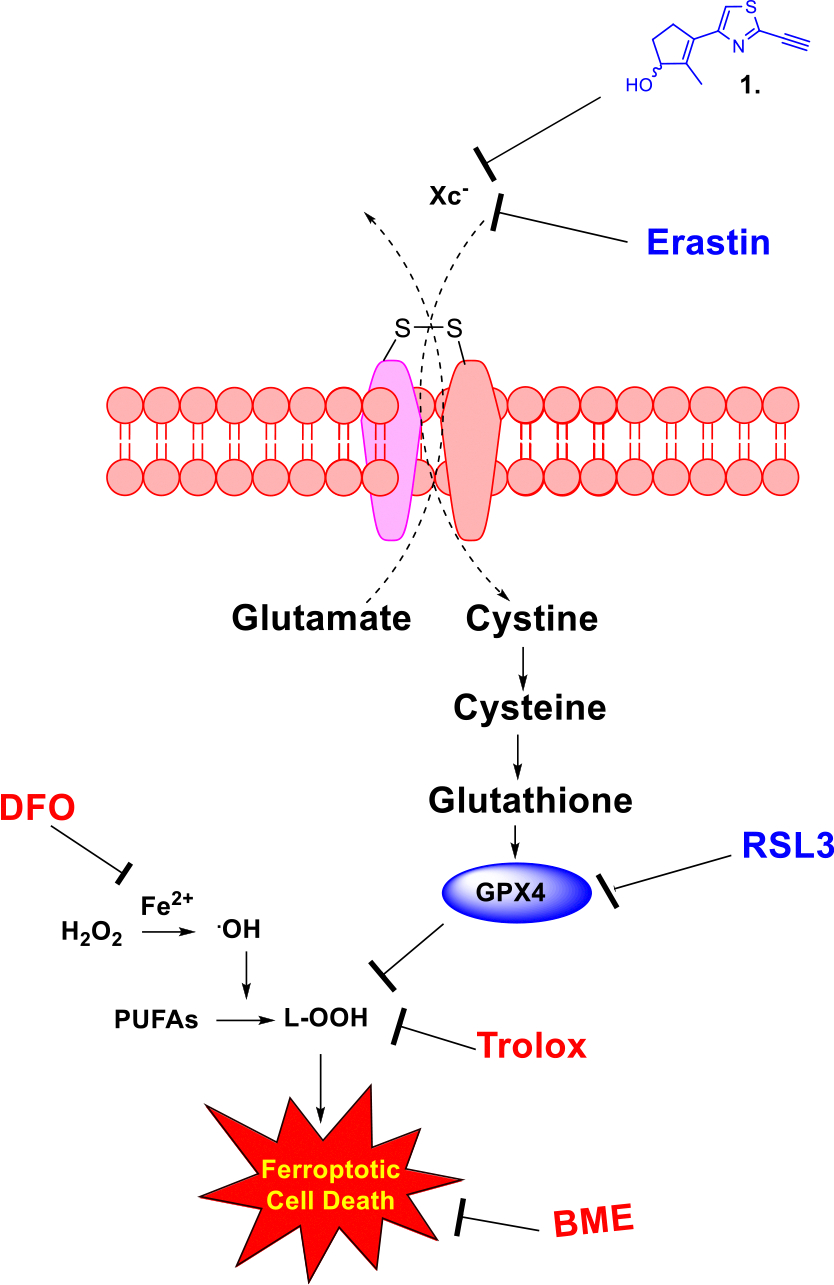
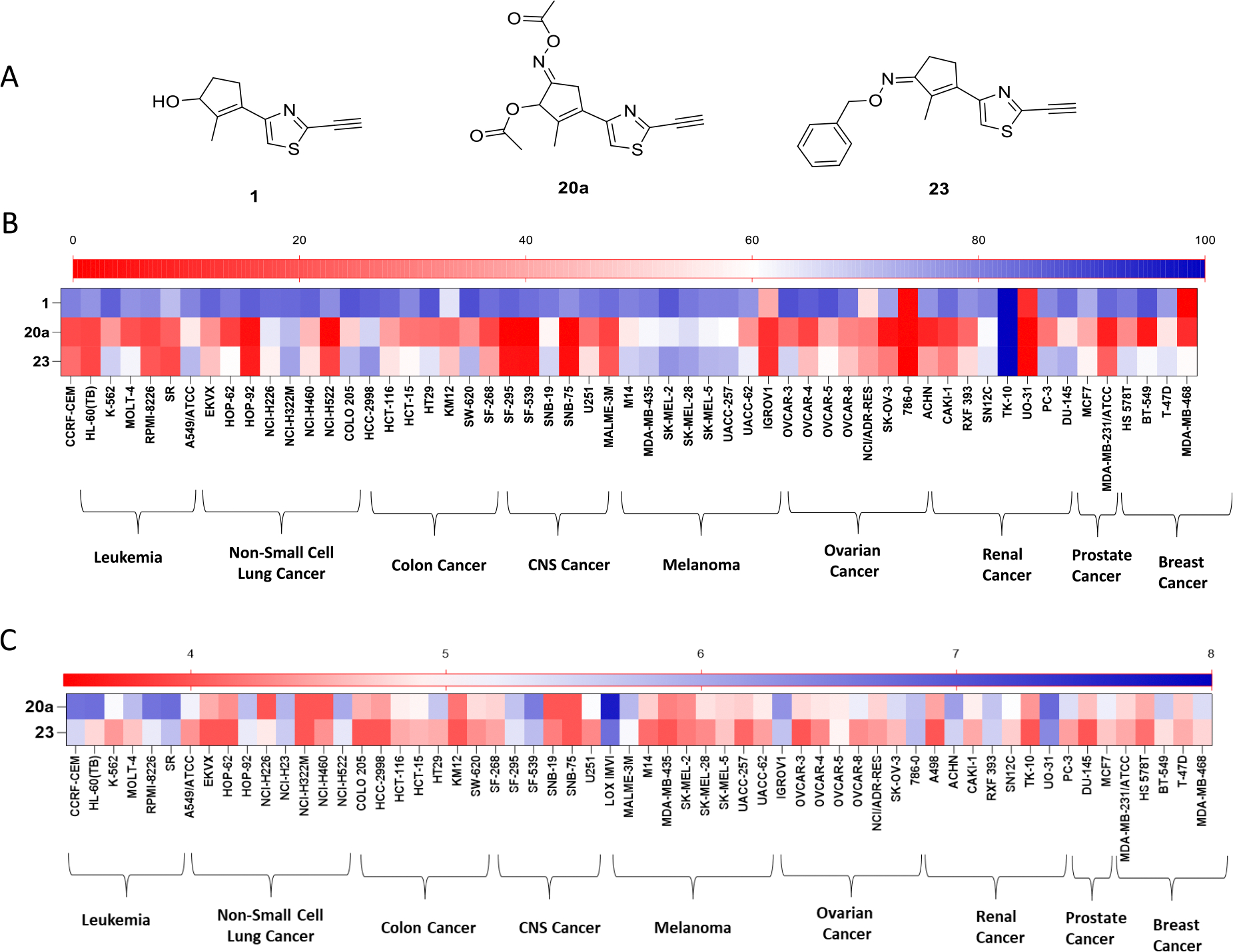
Ferroptosis is a recently discovered cell death mechanism triggered by iron-dependent elevation of reactive oxygen species leading to lipid membrane peroxidation. We previously reported the development of a new class of ferroptosis inducers referred to as CETZOLEs with CC50 values in the low micromolar range. Structure-activity relationship study of these compounds led to the development of more potent analogs with CC50 values in the nanomolar range. Cells exposed to these compounds displayed the hallmarks of ferroptosis including cell death through ROS accumulation. Cancer cells were found to be more sensitive to these compounds than normal cells. Proteomic studies using covalent and affinity probes led to the identification of cystathionine β-synthase, peroxiredoxins, ADP/ATP carriers, and glucose dehydrogenase as enriched proteins. The binding of CETZOLEs to these proteins as well as GPX4 was validated by Western blotting. This group of proteins is known to be associated with cellular antioxidant pathways.
Conflict of interest statement
The authors declare no competing financial interest.
Figures





References
-
- American Cancer Society. Facts & Figures. Ca-Cancer J. Clin. 2019, 76.
-
- Siegel RL; Miller KD; Fuchs HE; Jemal A Cancer Statistics, 2021. CA Cancer J. Clin. 2021, 71 (1), 7–33. - PubMed
MeSH terms
Substances
Grants and funding
LinkOut - more resources
Full Text Sources
