


Discovery of vitexin as a novel VDR agonist that mitigates the transition from chronic intestinal inflammation to colorectal cancer
- PMID: 39272040
- PMCID: PMC11395219
- DOI: 10.1186/s12943-024-02108-6
Discovery of vitexin as a novel VDR agonist that mitigates the transition from chronic intestinal inflammation to colorectal cancer
Abstract
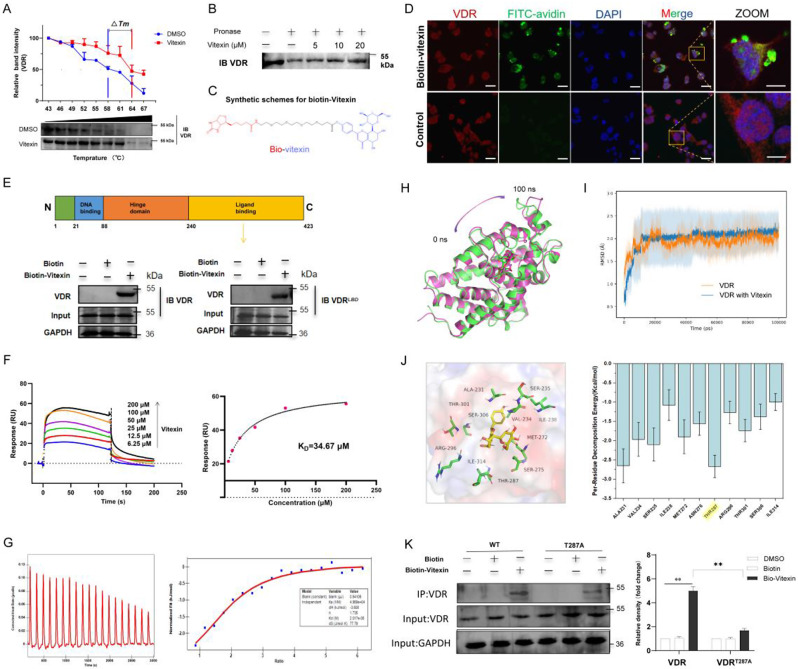
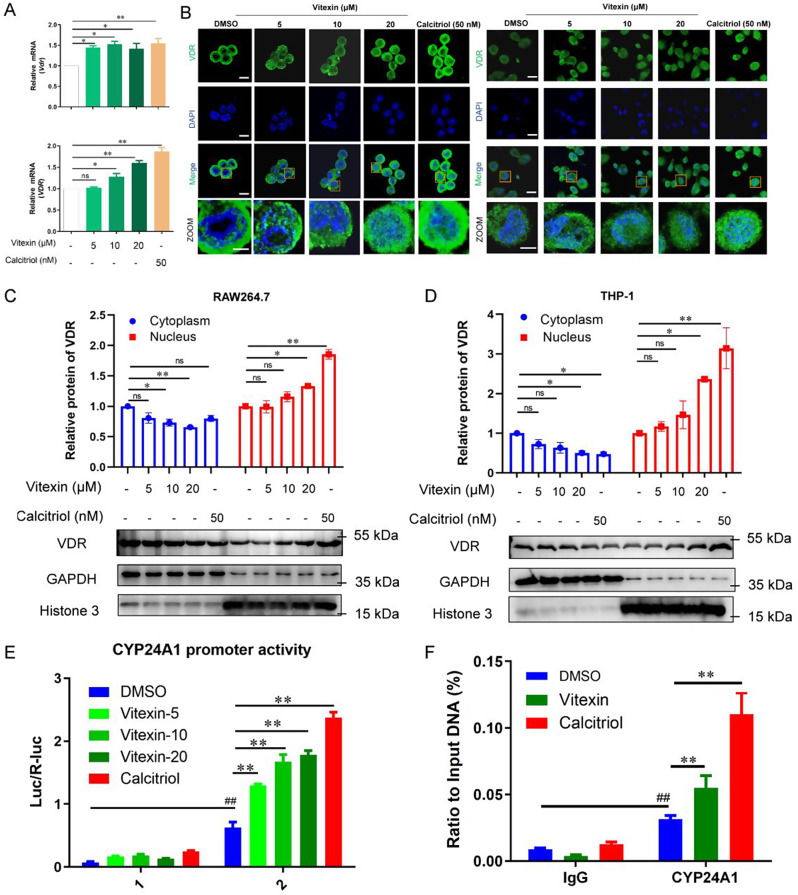
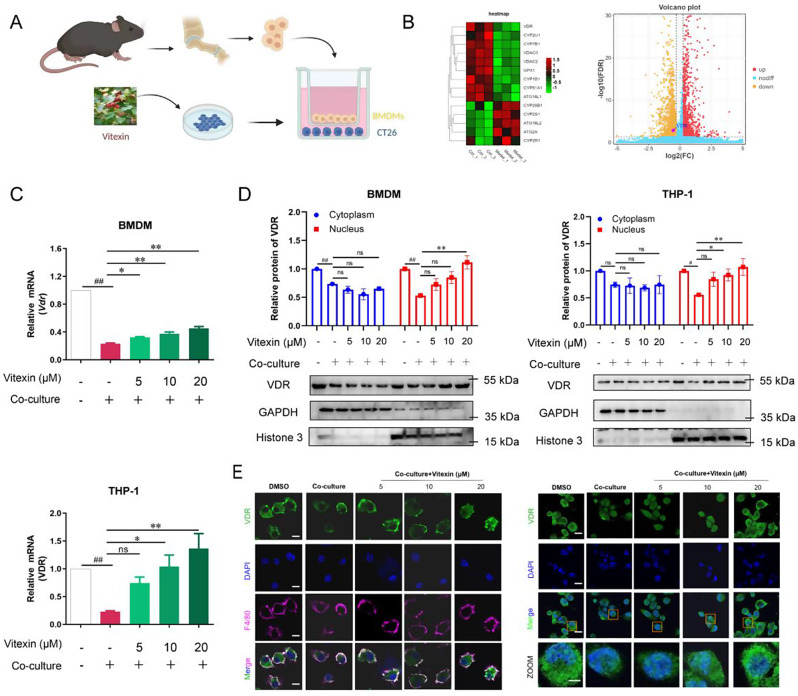
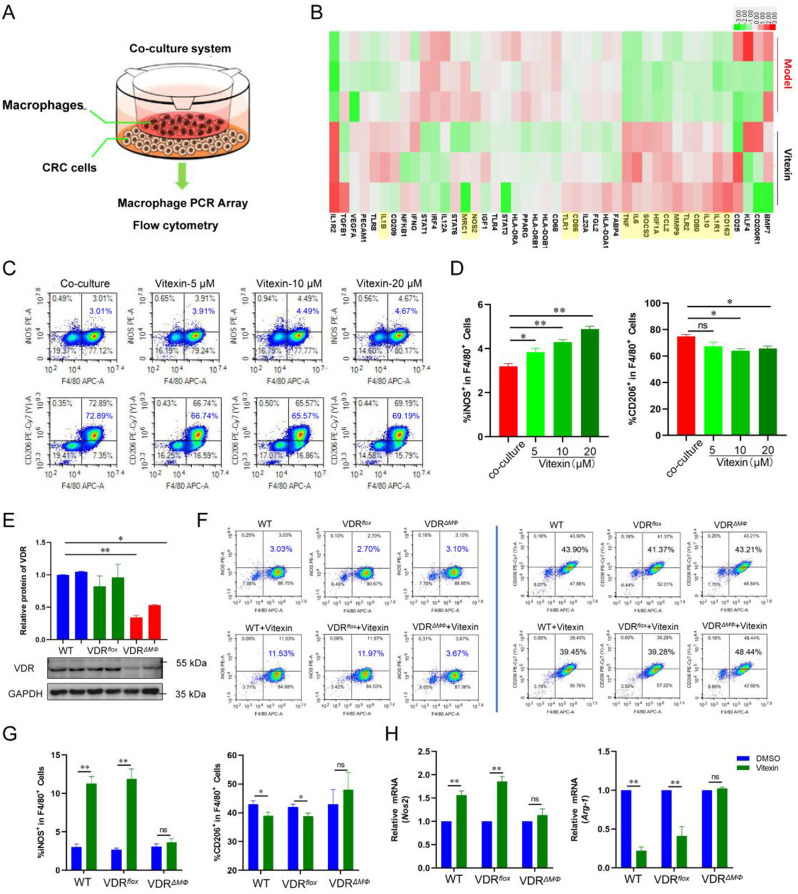
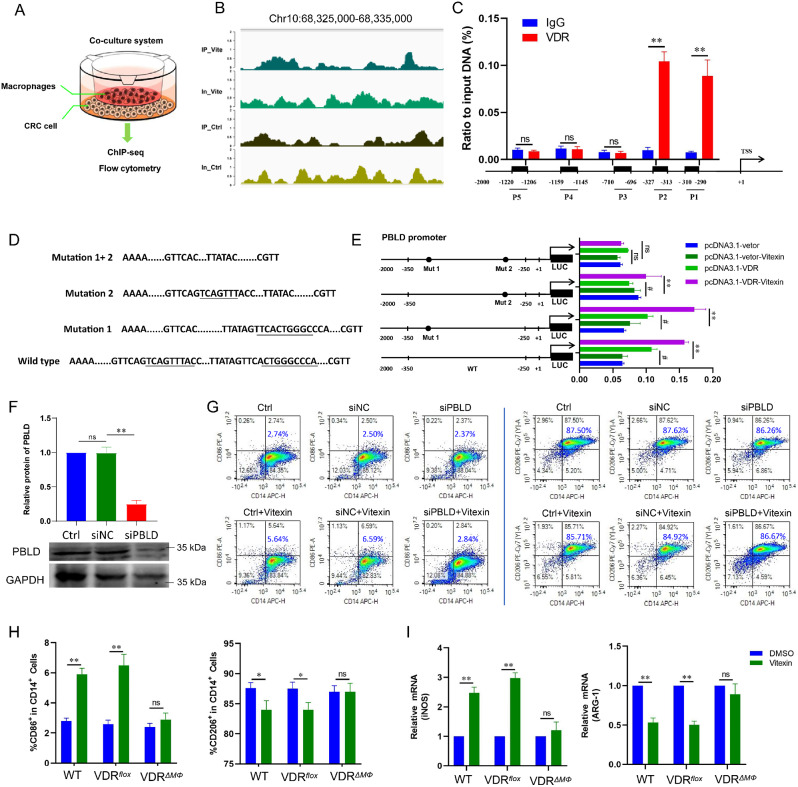
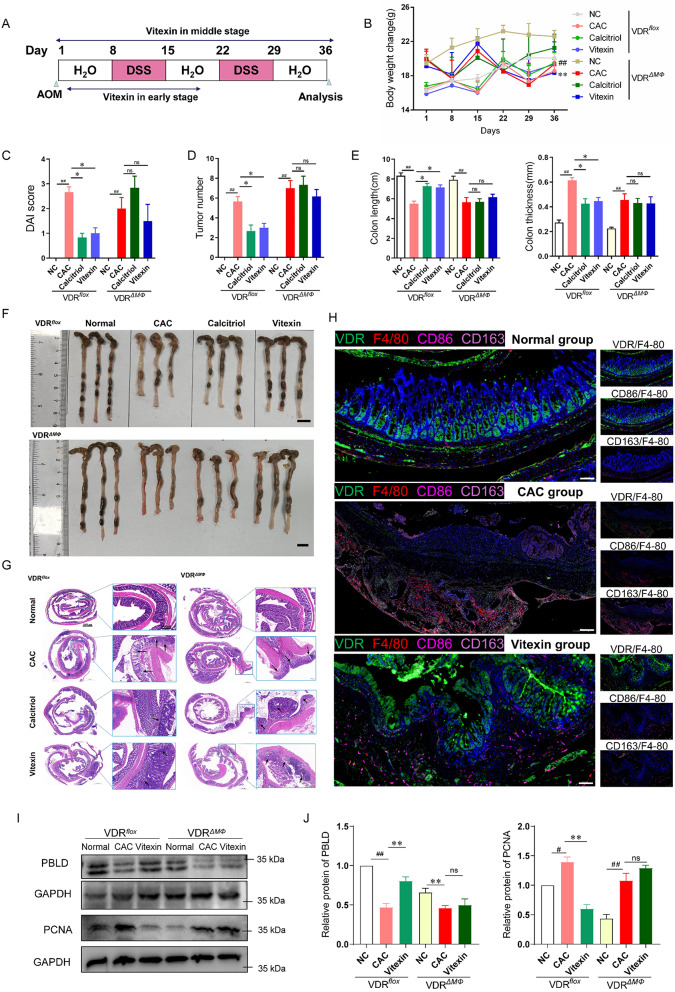
Colitis-associated colorectal cancer (CAC) frequently develops in patients with inflammatory bowel disease (IBD) who have been exposed to a prolonged state of chronic inflammation. The investigation of pharmacological agents and their mechanisms to prevent precancerous lesions and inhibit their progression remains a significant focus and challenge in CAC research. Previous studies have demonstrated that vitexin effectively mitigates CAC, however, its precise mechanism of action warrants further exploration. This study reveals that the absence of the Vitamin D receptor (VDR) accelerates the progression from chronic colitis to colorectal cancer. Our findings indicate that vitexin can specifically target the VDR protein, facilitating its translocation into the cell nucleus to exert transcriptional activity. Additionally, through a co-culture model of macrophages and cancer cells, we observed that vitexin promotes the polarization of macrophages towards the M1 phenotype, a process that is dependent on VDR. Furthermore, ChIP-seq analysis revealed that vitexin regulates the transcriptional activation of phenazine biosynthesis-like domain protein (PBLD) via VDR. ChIP assays and dual luciferase reporter assays were employed to identify the functional PBLD regulatory region, confirming that the VDR/PBLD pathway is critical for vitexin-mediated regulation of macrophage polarization. Finally, in a mouse model with myeloid VDR gene knockout, we found that the protective effects of vitexin were abolished in mid-stage CAC. In summary, our study establishes that vitexin targets VDR and modulates macrophage polarization through the VDR/PBLD pathway, thereby alleviating the transition from chronic colitis to colorectal cancer.
Keywords: Colitis-associated colorectal cancer; Macrophage; Vitamin D receptor; Vitexin.
© 2024. The Author(s).
Conflict of interest statement
The authors declare no competing interests.
Figures

References
-
- Fujita M, Matsubara N, Matsuda I, Maejima K, Oosawa A, Yamano T, Fujimoto A, Furuta M, Nakano K, Oku-Sasaki A, et al. Genomic landscape of colitis-associated cancer indicates the impact of chronic inflammation and its stratification by mutations in the wnt signaling. Oncotarget. 2018;9:969–81. 10.18632/oncotarget.22867 - DOI - PMC - PubMed
-
- Xu Y, Liu K, Li C, Li M, Liu F, Zhou X, Sun M, Ranganathan M, Zhang L, Wang S et al. The largest Chinese cohort study indicates homologous recombination pathway gene mutations as another major genetic risk factor for colorectal Cancer with heterogeneous clinical phenotypes. Research 2023, 6. - PMC - PubMed
-
- Yaeger R, Shah MA, Miller VA, Kelsen JR, Wang K, Heins ZJ, Ross JS, He Y, Sanford E, Yantiss RK, et al. Genomic alterations observed in Colitis-Associated Cancers are distinct from those found in sporadic colorectal cancers and vary by type of inflammatory bowel disease. Gastroenterology. 2016;151:278–. 10.1053/j.gastro.2016.04.001 - DOI - PMC - PubMed
MeSH terms
Substances
Grants and funding
LinkOut - more resources
Full Text Sources
Medical
Molecular Biology Databases
