Review
. 2024 Sep 1;13(17):1471.
doi: 10.3390/cells13171471.

A Comprehensive Review of Cardiovascular Disease Management: Cardiac Biomarkers, Imaging Modalities, Pharmacotherapy, Surgical Interventions, and Herbal Remedies

Affiliations
Review

A Comprehensive Review of Cardiovascular Disease Management: Cardiac Biomarkers, Imaging Modalities, Pharmacotherapy, Surgical Interventions, and Herbal Remedies

Vasudeva Reddy Netala et al. Cells. .

Abstract

Cardiovascular diseases (CVDs) continue to be a major global health concern, representing a leading cause of morbidity and mortality. This review provides a comprehensive examination of CVDs, encompassing their pathophysiology, diagnostic biomarkers, advanced imaging techniques, pharmacological treatments, surgical interventions, and the emerging role of herbal remedies. The review covers various cardiovascular conditions such as coronary artery disease, atherosclerosis, peripheral artery disease, deep vein thrombosis, pulmonary embolism, cardiomyopathy, rheumatic heart disease, hypertension, ischemic heart disease, heart failure, cerebrovascular diseases, and congenital heart defects. The review presents a wide range of cardiac biomarkers such as troponins, C-reactive protein, CKMB, BNP, NT-proBNP, galectin, adiponectin, IL-6, TNF-α, miRNAs, and oxylipins. Advanced molecular imaging techniques, including chest X-ray, ECG, ultrasound, CT, SPECT, PET, and MRI, have significantly enhanced our ability to visualize myocardial perfusion, plaque characterization, and cardiac function. Various synthetic drugs including statins, ACE inhibitors, ARBs, β-blockers, calcium channel blockers, antihypertensives, anticoagulants, and antiarrhythmics are fundamental in managing CVDs. Nonetheless, their side effects such as hepatic dysfunction, renal impairment, and bleeding risks necessitate careful monitoring and personalized treatment strategies. In addition to conventional therapies, herbal remedies have garnered attention for their potential cardiovascular benefits. Plant extracts and their bioactive compounds, such as flavonoids, phenolic acids, saponins, and alkaloids, offer promising cardioprotective effects and enhanced cardiovascular health. This review underscores the value of combining traditional and modern therapeutic approaches to improve cardiovascular outcomes. This review serves as a vital resource for researchers by integrating a broad spectrum of information on CVDs, diagnostic tools, imaging techniques, pharmacological treatments and their side effects, and the potential of herbal remedies.

Keywords: ACE inhibitors; MRI; cardiac biomarkers; cardioprotective effects; flavonoids; herbal remedies; imaging modalities; phenolic acids; saponins.


Conflict of interest statement

The authors declare no conflicts of interest.

Figures
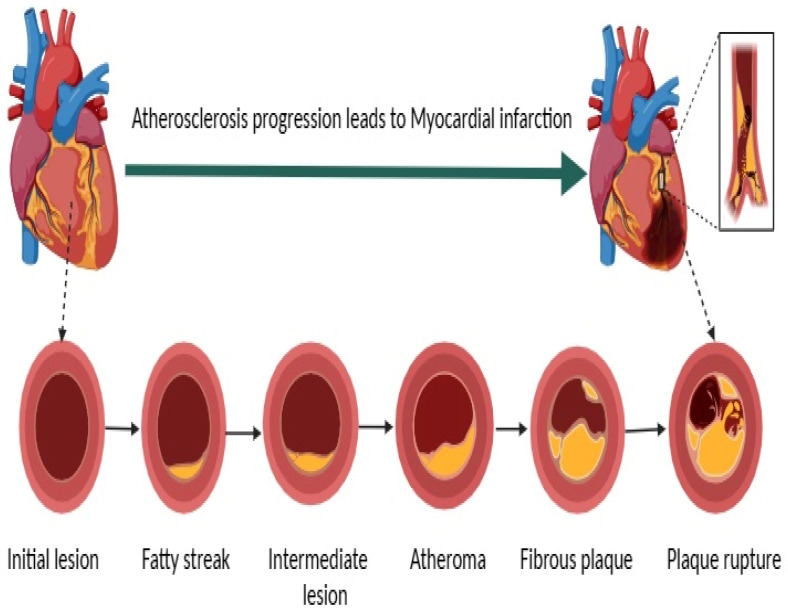
Figure 1
Figure 1
The progression of atherosclerosis through various stages that lead to MI (heart attack); the various stages include initial lesion, fatty streak, intermediated lesion, atheroma, fibrous plaque, and plaque rupture. (Figure is created using app.biorender.com, accessed on 15 May 2024).
Figure 2
Figure 2
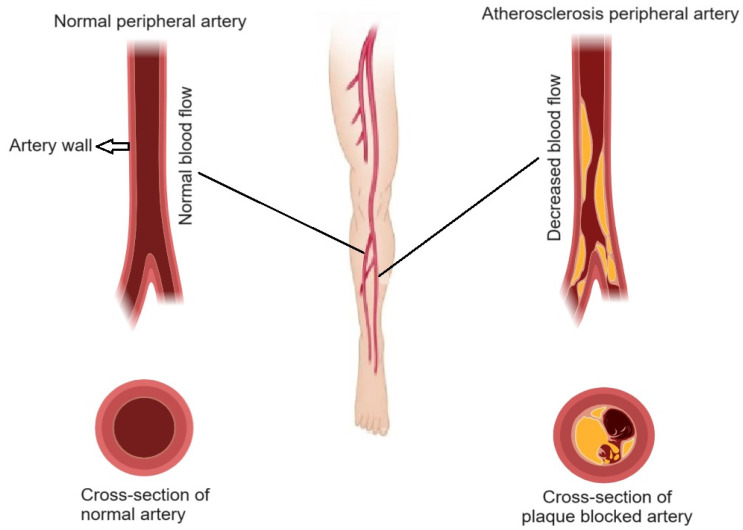
A comparison between a leg with a normal, healthy peripheral artery showing normal blood flow and with an atherosclerotic peripheral artery exhibiting decreased blood flow due to a plaque-blocked artery. (Figure is created using app.biorender.com, accessed on 15 May 2024).
Figure 3
Figure 3
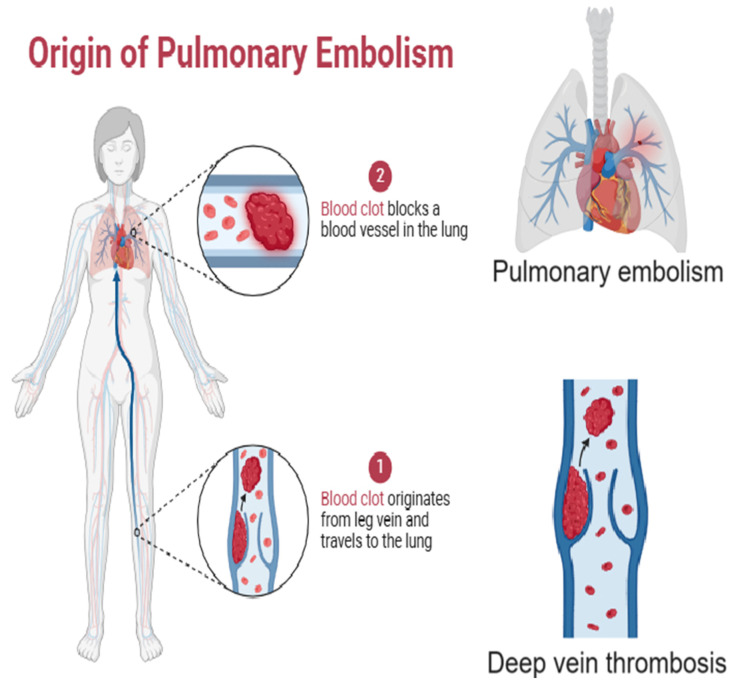
This figure clearly illustrates how deep vein thrombosis (DVT) can lead to a pulmonary embolism (PE). A blood clot originates in a leg vein (DVT) and travels to the lung, where it blocks a blood vessel, resulting in a serious cardiovascular condition known as PE. (Figure is created using app.biorender.com, accessed on 15 May 2024).
Figure 4
Figure 4
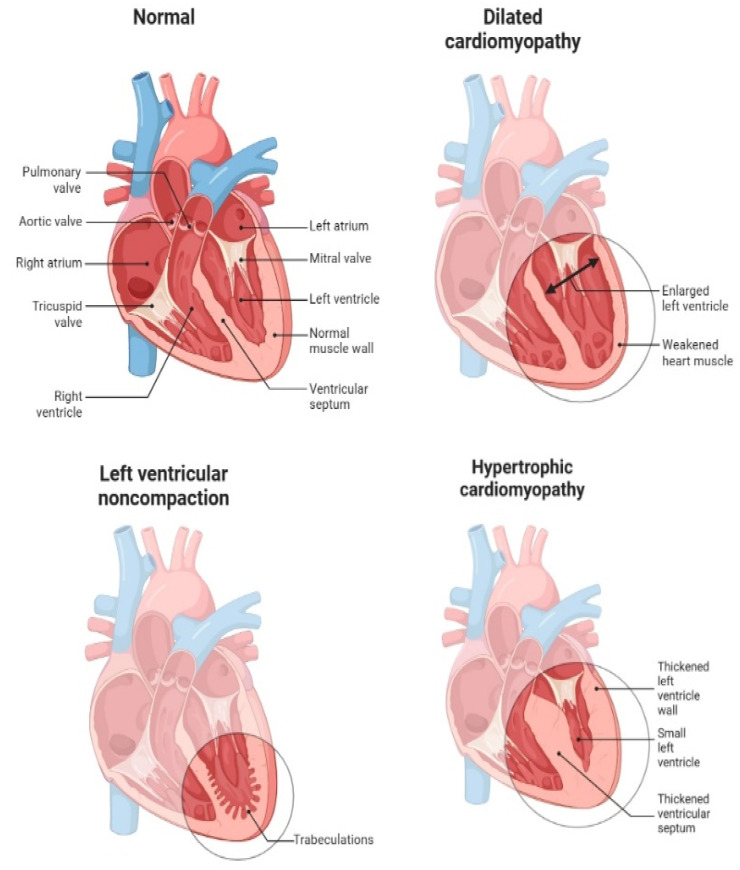
Representation of different types of cardiomyopathies, including dilated cardiomyopathy, left ventricular noncompaction, and hypertrophic cardiomyopathy. Figure is created using app.biorender.com, accessed on 15 May 2024.
Figure 5
Figure 5
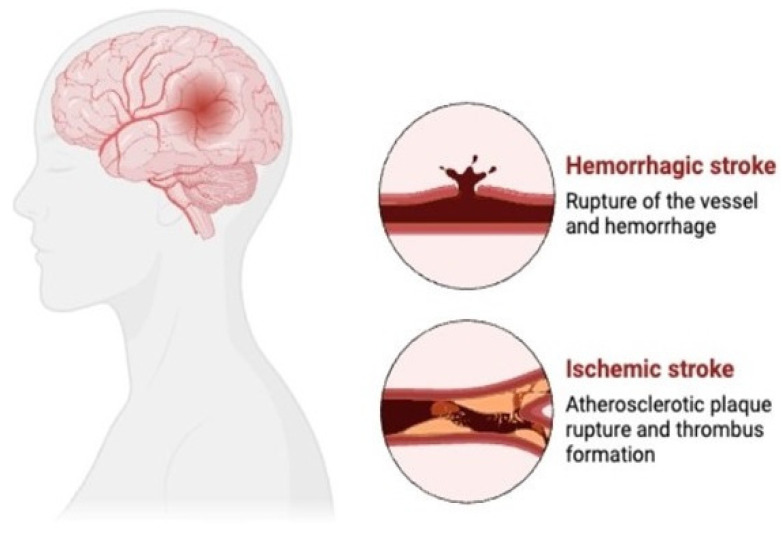
Different types of strokes, such as atherosclerosis strokes; atherosclerotic plaque and artery blockages; hemorrhagic strokes; ruptures of the vessel; and hemorrhages. (Figure is created using app.biorender.com, accessed on 15 May 2024).
Figure 6
Figure 6
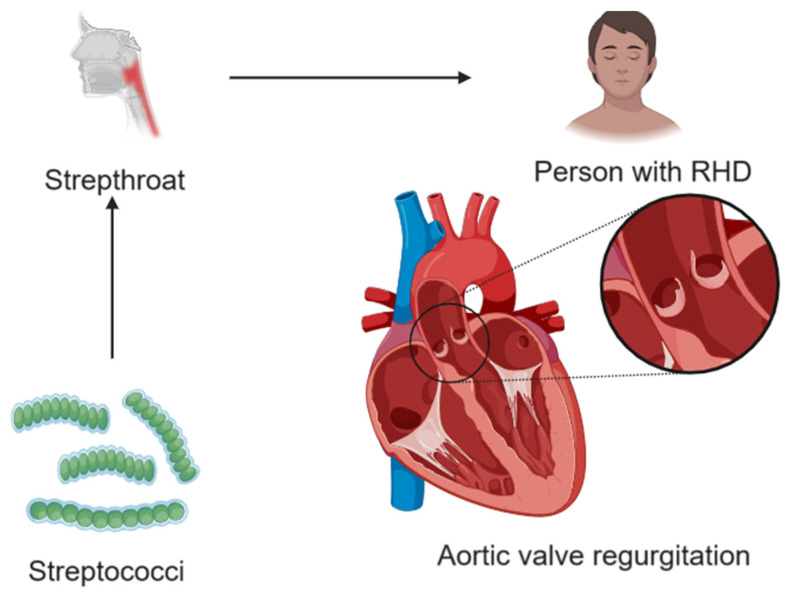
A depiction of rheumatic heart disease (RHD), illustrating the sequence from streptococcal infection and strep throat to an individual with RHD and aortic valve regurgitation. (Figure is created using app.biorender.com, accessed on 15 June 2024).
Figure 7
Figure 7
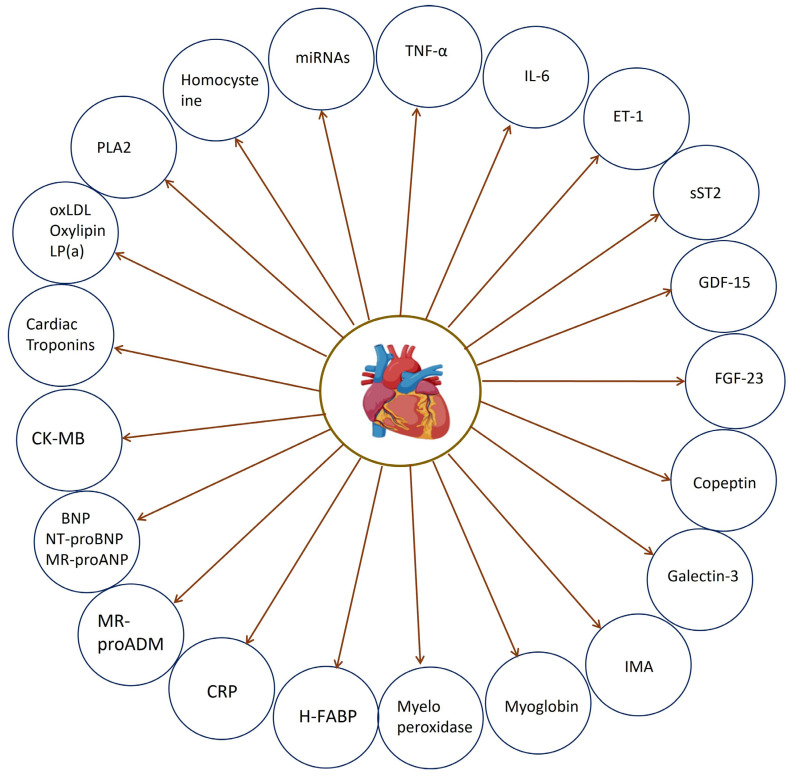
Cardiac biomarkers used in the diagnostic and prognostic evaluation of cardiovascular diseases (CVDs). (Figure is created using app.biorender.com, accessed on 15 June 2024).
Figure 8
Figure 8
Natriuretic family cardiac biomarkers, which include MR-proANP, BNP, and NT pro-BNP. (Figure is created using app.biorender.com, accessed on 15 June 2024).
Figure 9
Figure 9
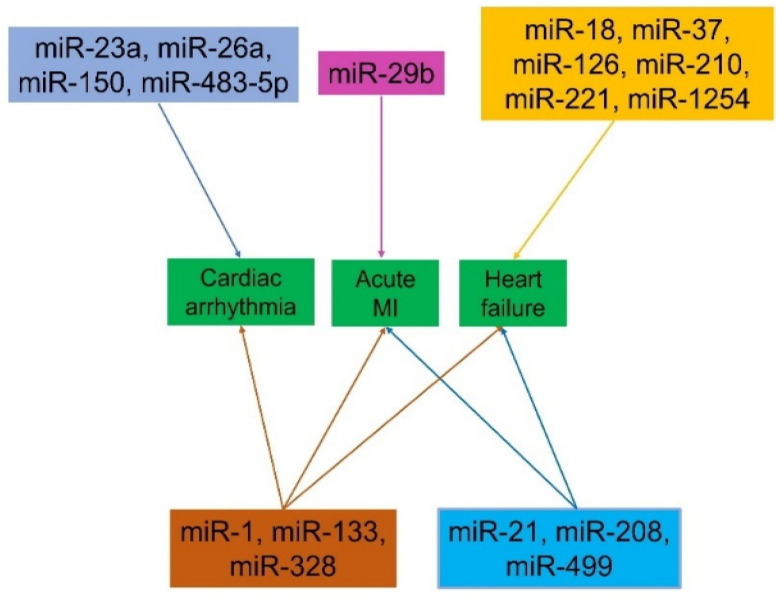
Specific and common miRNA biomarkers for various CVD conditions, including arrhythmia, heart failure, and acute myocardial infarction (MI). (Figure is created using app.biorender.com, accessed on 15 July 2024).
Figure 10
Figure 10
The structure of homocysteine (figure is retrieved from PubChem.ncbi.nlm.nih.gov, accessed on 12 June 2024).
Figure 11
Figure 11
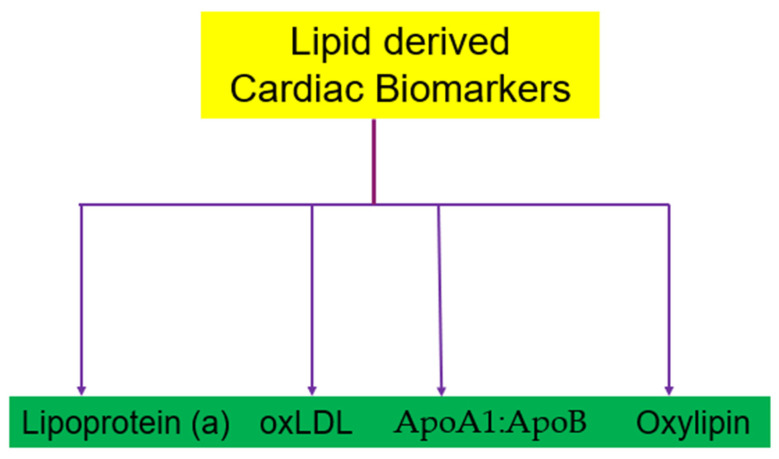
Lipid-derived cardiac biomarkers, such as lipoprotein (a), oxLDL, ApoA1:ApoB, and oxylipins.
Figure 12
Figure 12
The inhibition of HMG CoA reductase by statins, which, in turn, leads to the inhibition of cholesterol synthesis. (Figure is created using app.biorender.com, accessed on 15 June 2024).
Figure 13
Figure 13
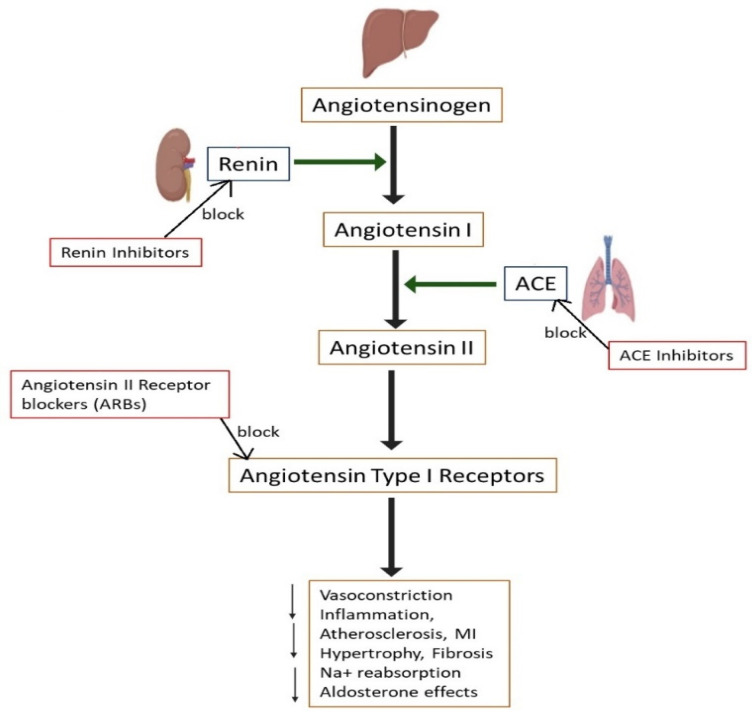
A schematic representation of mechanisms of both ACE inhibitors and ARBs. ACE inhibitors block the conversion of angiotensin I to angiotensin II, while ARBs directly block the action of angiotensin II by binding to its AT1 receptors. (Figure is created using app.biorender.com, accessed on 15 June 2024).
Figure 14
Figure 14
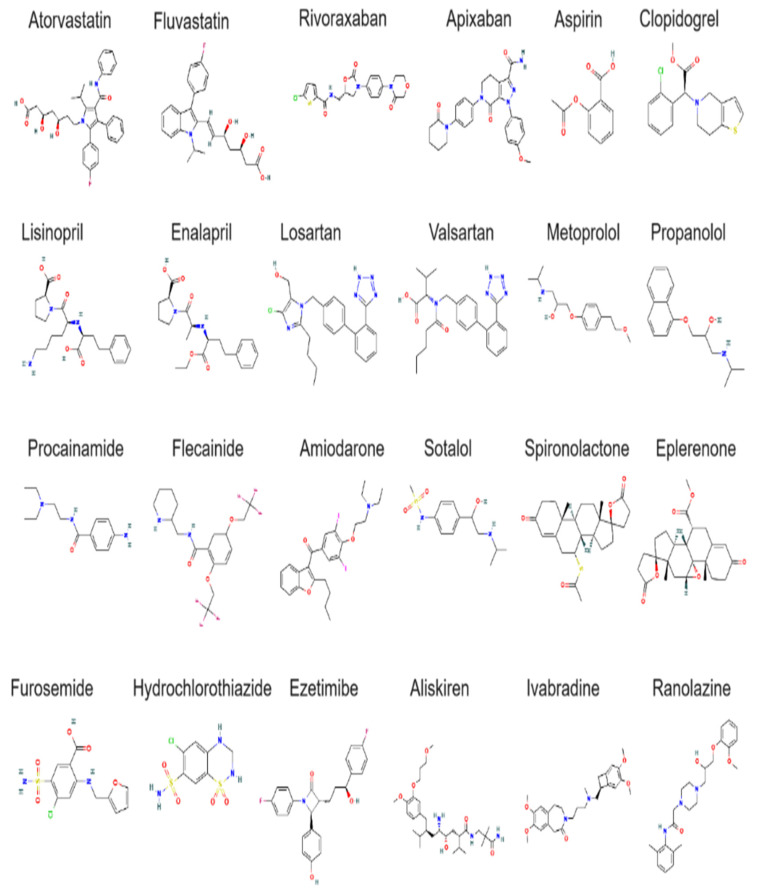
Different chemical inhibitors for effective management of CVDs. Structures were retrieved from PubChem.com, accessed on 15 June 2024.
Figure 15
Figure 15
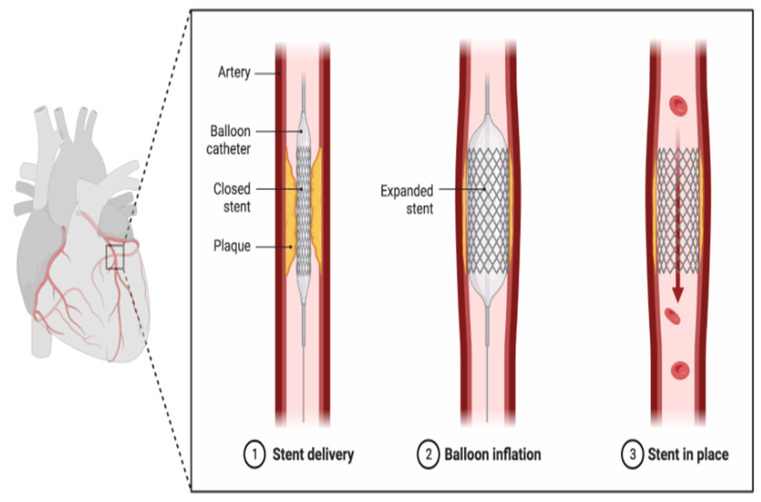
Percutaneous coronary intervention procedure steps involved stent delivery, balloon inflation, and stent in place. Adapted from “Percutaneous Coronary Intervention” by BioRender.com (https://app.biorender.com/biorender-templates, accessed on 15 July 2024).
Figure 16
Figure 16
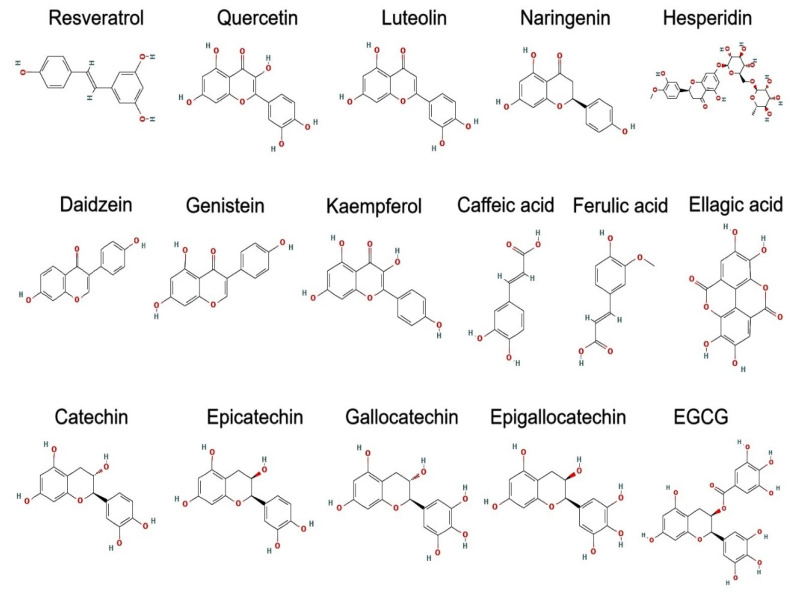
The structures of flavonoids and polyphenols showing significant cardioprotective effects. Structures were retrieved from the PubChem database.

References

    1. Thiriet M. Cardiovascular Disease: An Introduction. Vasculopathies. 2019;8:1–90. doi: 10.1007/978-3-319-89315-0_1. - DOI
    1. Afjeh-Dana E., Naserzadeh P., Moradi E., Hosseini N., Seifalian A.M., Ashtari B. Stem Cell Differentiation into Cardiomyocytes: Current Methods and Emerging Approaches. Stem Cell Rev. Rep. 2022;18:2566–2592. doi: 10.1007/s12015-021-10280-1. - DOI - PubMed
    1. Flora G.D., Nayak M.K. A brief review of cardiovascular diseases, Associated Risk factors and Current Treatment Regimes. Curr. Pharm. Des. 2019;25:4063–4084. doi: 10.2174/1381612825666190925163827. - DOI - PubMed
    1. Gadó K., Szabo A., Markovics D., Virág A. Most common cardiovascular diseases of the elderly—A review article. Dev. Health Sci. 2022;4:27–32. doi: 10.1556/2066.2021.00048. - DOI
    1. Schultz W.M., Kelli H.M., Lisko J.C., Varghese T., Shen J., Sandesara P., Quyyumi A.A., Taylor H.A., Gulati M., Harold J.G., et al. Socioeconomic Status and Cardiovascular Outcomes: Challenges and Interventions. Circulation. 2018;137:2166–2178. doi: 10.1161/CIRCULATIONAHA.117.029652. - DOI - PMC - PubMed

Publication types

MeSH terms

LinkOut - more resources