


Role of pediatric risk of mortality (PRISM IV) score at 24 and 72 hours of hospitalization in predicting mortality among critically ill pediatric patients treated in PICU
- PMID: 39280319
- PMCID: PMC11391999
- DOI: 10.52225/narra.v4i2.780
Role of pediatric risk of mortality (PRISM IV) score at 24 and 72 hours of hospitalization in predicting mortality among critically ill pediatric patients treated in PICU
Abstract
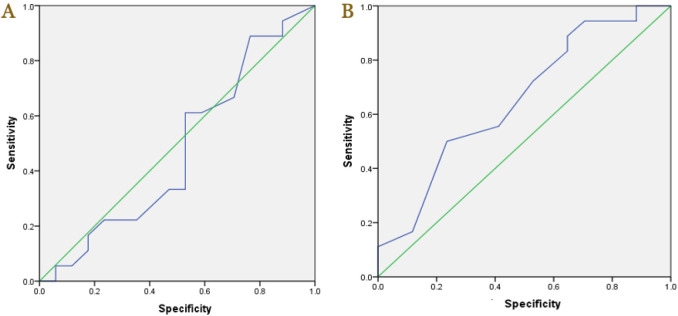
Pediatric patients with multiple organ failures in the pediatric intensive care unit (PICU) are at a higher risk of mortality. Assessing the mortality risk when patients are admitted to PICU is important to allocate treatment and care properly. The aim of this study was to compare the performance of the PRISM IV score within the first 24 and 72 hours to predict mortality in the PICU. Demographic, clinical, and laboratory data were collected to compute the PRISM IV in the first 24 and 72 hours among critically ill pediatric patients in the PICU at H. Adam Malik General Hospital, Medan, Indonesia, from April 2021 to February 2022. The comparison of the PRISM IV scores and its components within the first 24 and 72 hours was analyzed using the Wilcoxon test, Student's independent t-test or McNemar test. The role of PRISM IV score in predicting mortality was assessed using the receiver operating characteristic (ROC) curve. Out of 35 pediatric patients, 17 (48.6%) of them died. Platelet count (p=0.022), pCO2 (p=0.026), HCO3 (p=0.009), total CO2 (p=0.015), and base excess (p=0.001) were statistically different between 24 and 72 hours groups. The area under curve (AUC) for the first 24 hours using PRISM IV scores was 47.4% with p=0.792 (95%CI, 27.7%-67.1%). Meanwhile, the AUC of 72 hours group was 65.4%, p=0.121 (95%CI, 47.1%-83.6%). This study suggested that PRISM IV scores in the first 24 and 72 hours may not be a reliable screening tool for predicting mortality. However, further studies are suggested to validate these findings.
Keywords: PICU; PRISM; mortality; pediatric; sepsis.
© 2024 The Author(s).
Conflict of interest statement
The authors declare that there is no conflict of interest.
Figures
References
-
- Kafle R, Sanjeev S, Kumar G.. Utility of sequential organ failure assessment score in prognosticating sick children in paediatric intensive care unit. J Nepal Paediatr Soc 2022;42:134–139.
-
- Latief A, Chairulfatah A, Alam A.. Diagnosis dan tatalaksana sepsis pada anak. Unit Kerja Koordinasi Pediatri Gawat Darurat Ikatan Dokter Anak Indonesia. Jakarta: Ikatan Dokter Anak Indonesia; 2009.
-
- Vincent JL, Ferreira F, Moreno R.. Scoring systems for assessing organ dysfunction and survival. Crit Care Clin 2000;16(2):353–366. - PubMed
-
- Bramantyo TB, Martuti S, Salimo H.. Perbandingan prediktor mortalitas skor PRISM III dan PELOD 2 pada anak sakit kritis non bedah. Sari Pediatri 2018;19(5):284–289.
Publication types
MeSH terms
LinkOut - more resources
Full Text Sources
Miscellaneous