


The influence of cardiac synchronisation on self-attribution to external objects in male participants
- PMID: 39282685
- PMCID: PMC11394186
- DOI: 10.3389/fpsyg.2024.1442942
The influence of cardiac synchronisation on self-attribution to external objects in male participants
Abstract
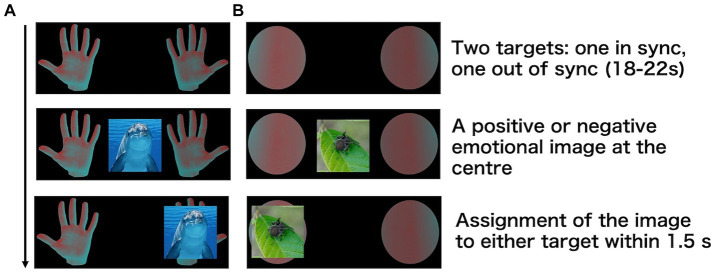
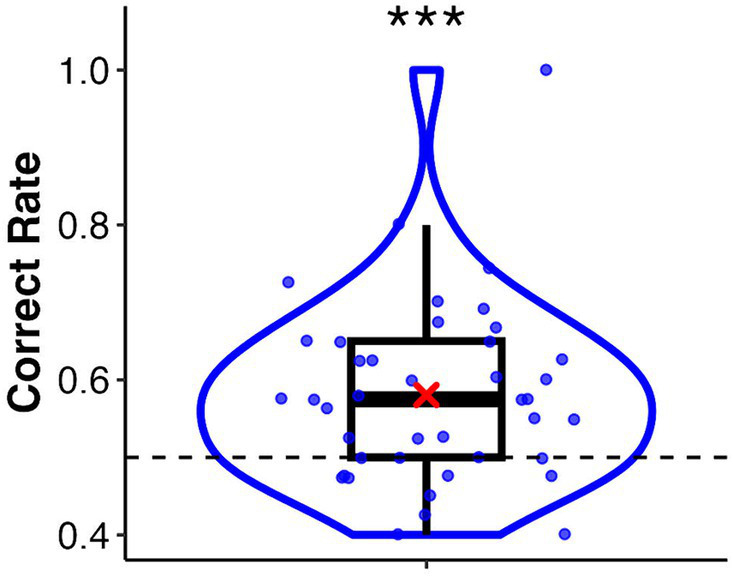
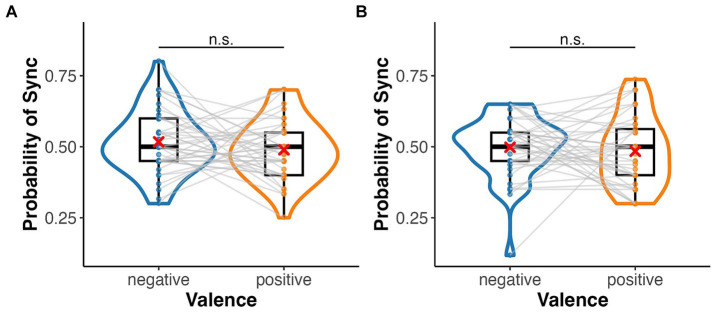
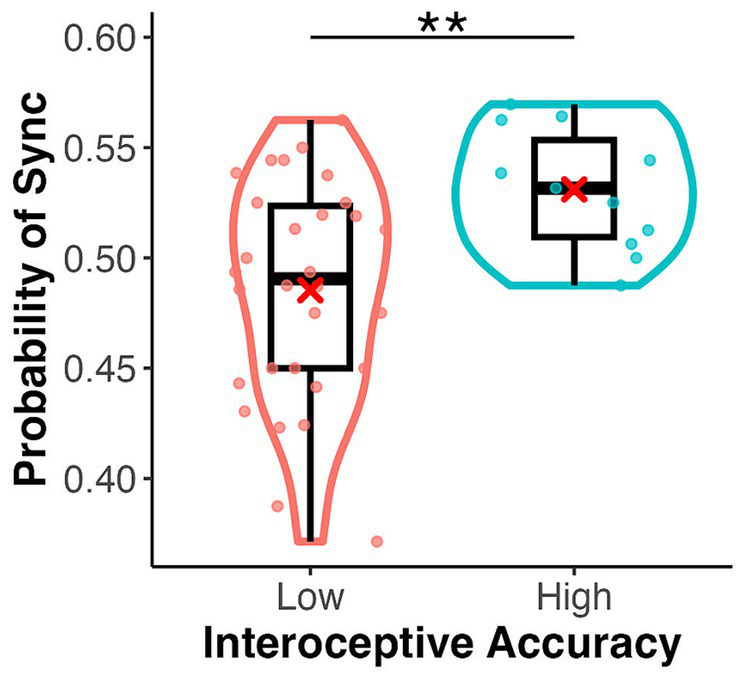
Interoception, the representation of our bodily state derived from physiological signals, is fundamental to our sense of self. Previous studies using cardiac feedback paradigms demonstrated interoceptive effects on self-perception. However, it remains unclear whether interoceptive information can extend self-attribution to non-bodily objects. This study aimed to elucidate whether cardiac signals can induce self-attribution to non-bodily objects and how interoceptive accuracy modulates this effect. A total of 44 male volunteers participated in an emotion assignment task where they viewed images of palms (bodily targets) and spheres (non-bodily targets) flashing in or out of sync with their heartbeat and assigned emotional images (positive/negative) to these targets. A heartbeat discrimination task was used to measure the interoceptive accuracy. The results showed no significant effect of synchronisation on emotion assignment for either the target type or the valence of the emotional images. However, participants with high interoceptive accuracy attributed both positive and negative images more to synchronised targets than those with low interoceptive accuracy. These findings suggest that although cardiac synchronisation may not uniformly facilitate the self-attribution of external objects, interoceptive accuracy may mediate attention to synchrony. Future studies should explore the conditions under which cardiac signals influence self-attribution.
Keywords: approach-avoidance; cardiac feedback; interoception; interoceptive accuracy; self-attribution; sense of self.
Copyright © 2024 Shibata, Harada and Ohira.
Conflict of interest statement
The authors declare that the research was conducted in the absence of any commercial or financial relationships that could be construed as a potential conflict of interest. The author(s) declared that they were an editorial board member of Frontiers, at the time of submission. This had no impact on the peer review process and the final decision.
Figures
References
LinkOut - more resources
Full Text Sources
