


A four year follow-up survey on the teledidactic TELUS ultrasound course: long-term benefits and implications
- PMID: 39294583
- PMCID: PMC11409468
- DOI: 10.1186/s12909-024-05993-z
A four year follow-up survey on the teledidactic TELUS ultrasound course: long-term benefits and implications
Abstract
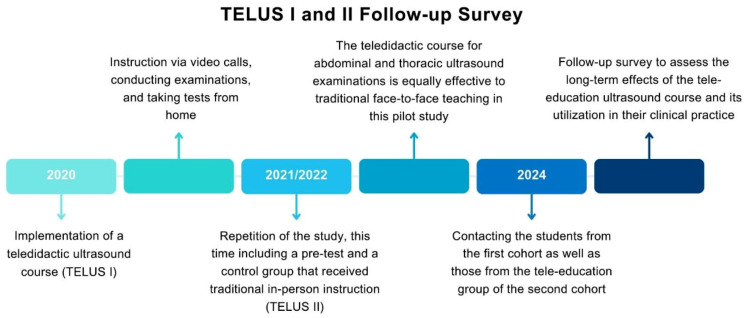
Background: The COVID-19 pandemic disrupted traditional medical education, prompting innovative teaching methods for practical skills training. The teledidactic TELUS ultrasound course, launched in 2020-2021, aimed to provide remote instruction in ultrasound techniques.
Objective: This study assesses the long-term impact of the teledidactic ultrasound course conducted during the study years on current clinical practice.
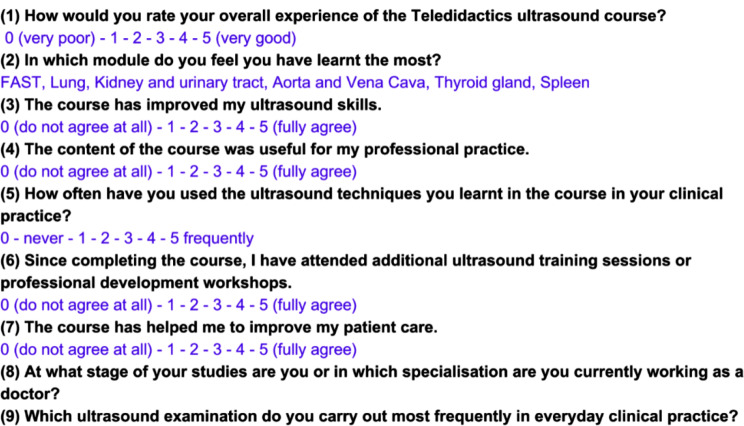
Methods: In 2024, a follow-up survey was conducted with former TELUS course students now practicing as physicians across various specialities. Participants rated their confidence in ultrasound examinations and its frequency in practice.
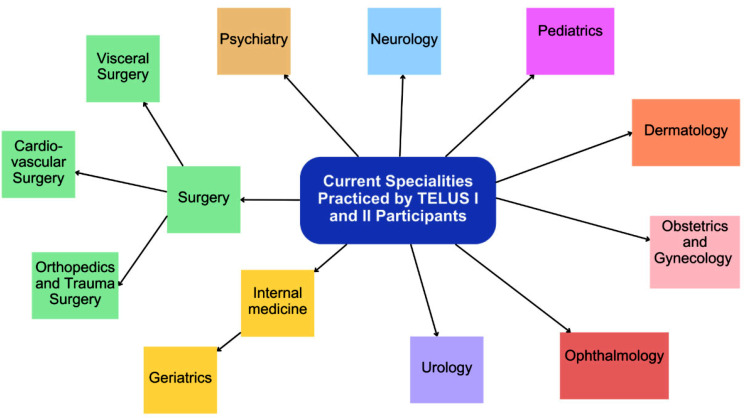
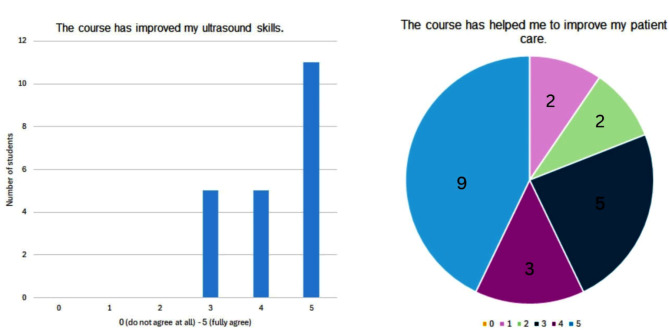
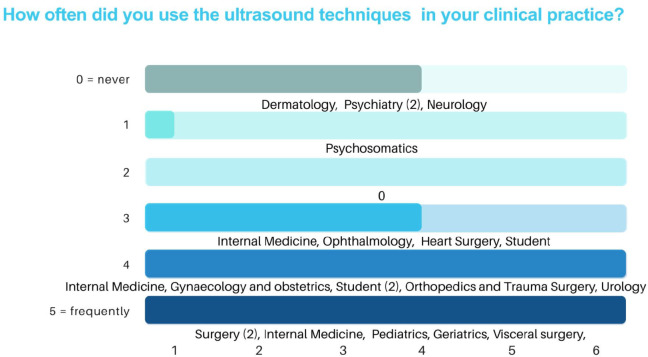
Results: 21 out of 30 participants (70%) completed the survey. 71.4% rated the course experience as excellent (5/5 points). Most reported significant learning gains, especially in the FAST module. While all agreed the course enhanced their ultrasound skills, its impact on patient care received mixed reviews. Frequency of ultrasound use varied widely among specialities, with high use in surgery and internal medicine but less in psychiatry, neurology, and ophthalmology. Notably, 42,9% had not pursued further ultrasound training post-course.
Conclusion: The teledidactic ultrasound course effectively provided remote education, integrating skills into practice. Mixed reviews on patient care impact and speciality-specific ultrasound use suggest sustained integration depends on relevance and ongoing education. Self-assessment results support online ultrasound courses, indicating potential use in resource-limited or geographically constrained settings.
Keywords: Curriculum development; Education; Medical education; Telemedicine; Training; Ultrasound.
© 2024. The Author(s).
Conflict of interest statement
The authors declare no competing interests.
Figures
References
-
- Nourkami-Tutdibi N, Hofer M, Zemlin M, Abdul-Khaliq H, Tutdibi E. TEACHING MUST GO ON: flexibility and advantages of peer assisted learning during the COVID-19 pandemic for undergraduate medical ultrasound education - perspective from the sonoBYstudents ultrasound group. GMS J Med Educ. 2021;38:Doc5. 10.3205/zma001401. - DOI - PMC - PubMed
MeSH terms
LinkOut - more resources
Full Text Sources
Medical
