


Similarities and differences between systemic juvenile idiopathic arthritis and adult-onset Still's disease: a multicenter Spanish study
- PMID: 39311913
- PMCID: PMC11618169
- DOI: 10.1007/s00296-024-05658-6
Similarities and differences between systemic juvenile idiopathic arthritis and adult-onset Still's disease: a multicenter Spanish study
Abstract
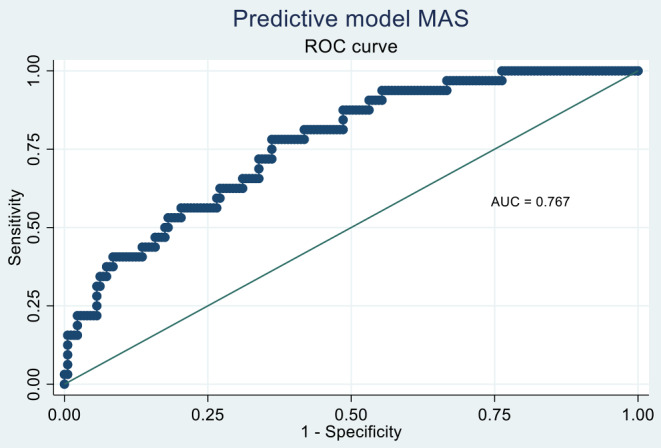
To describe the characteristics of systemic juvenile idiopathic arthritis (sJIA) and adult-onset Still's disease (AOSD), compare their presentation and evolution, and analyse possible complication predictors. Multicenter study. Data were retrieved from a hospital-based study of patients with a diagnosis or suspected diagnosis of sJIA or AOSD according to the responsible physician and followed-up for at least one year. Descriptive variables (classification criteria, clinical manifestations, complications, family, and personal history) were collected at disease onset and during follow-up. We present the clinical characteristics of 326 patients, 67% of whom had a diagnosis of sJIA and 33% of AOSD. Clinical manifestation frequencies were similar between the two groups, except for odynophagia, which was significantly more frequent in AOSD than in sJIA (78.4% vs. 25.5%; p < 0.0001). Among the complications, macrophage activation syndrome (MAS) was significantly more common in sJIA than in AOSD (24.4% vs. 9.5%; p = 0.002), to the extent that an sJIA diagnosis significantly increased the risk of MAS, together with serositis presence, and the need for biological therapy. Patients with sJIA and AOSD showed similar characteristics, supporting the idea that they are both part of Still's disease, but are expressed at different ages. Differences in manifestations and complications might be due to different management between diseases and immune response maturity.
Keywords: Adult-onset still’s disease; Epidemiology; Juvenile arthritis; Macrophage activation syndrome.
© 2024. The Author(s).
Conflict of interest statement
Declarations. Compliance with ethical standards: The study complies with the precepts of good practice and confidentiality, was approved by the ethics committees of all participating hospitals, and has, therefore, been performed in accordance with the ethical standards established in the 1964 Declaration of Helsinki and its later amendments. Patients, or legal guardians in the case of minors, signed an informed consent form to collect their data. The Ethics Committee of Hospital Sant Joan de Déu reviewed and approved the study with code EPA-05-17. Conflict of interest: The authors declare they have no conflicts of interest.
Figures

References
-
- (1978) On a form of chronic joint disese in children by George Frederic Still, MA, MD, MRCP. Am J Dis Child 132(2):195–200 - PubMed
-
- Petty RE, Southwood TR, Manners P, Baum J, Glass DN, Goldenberg J, He X, Maldonado-Cocco J, Orozco-Alcala J, Prieur AM, Suarez-Almazor ME, Woo P, International League of Associations for R (2004) International League of Associations for Rheumatology classification of juvenile idiopathic arthritis: second revision, Edmonton, 2001. J Rheumatol 31(2):390–392 - PubMed
-
- Calabro JJ, Londino AV Jr. (1986) Adult onset still’s disease. J Rheumatol 13(4):827–828 - PubMed
-
- Cush JJ, Medsger TA Jr., Christy WC, Herbert DC, Cooperstein LA (1987) Adult-onset still’s disease. Clin Course Outcome Arthritis Rheum 30(2):186–194. 10.1002/art.1780300209 - PubMed
