


Role of DNA Double-Strand Break Formation in Gyrase Inhibitor-Mediated Killing of Nonreplicating Persistent Mycobacterium tuberculosis in Caseum
- PMID: 39315541
- PMCID: PMC11474946
- DOI: 10.1021/acsinfecdis.4c00499
Role of DNA Double-Strand Break Formation in Gyrase Inhibitor-Mediated Killing of Nonreplicating Persistent Mycobacterium tuberculosis in Caseum
Abstract
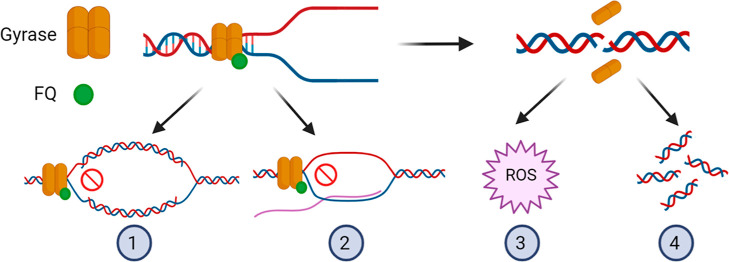
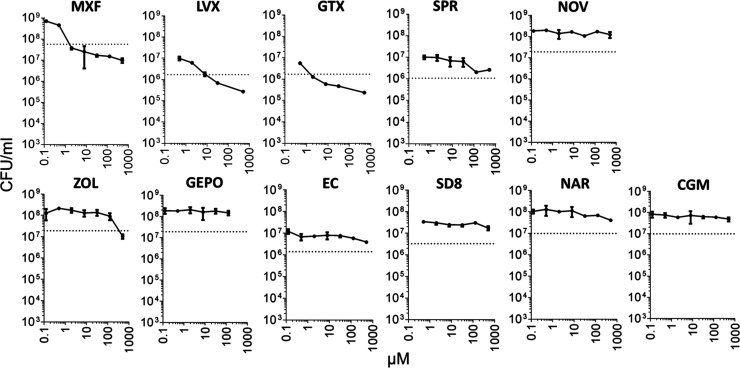
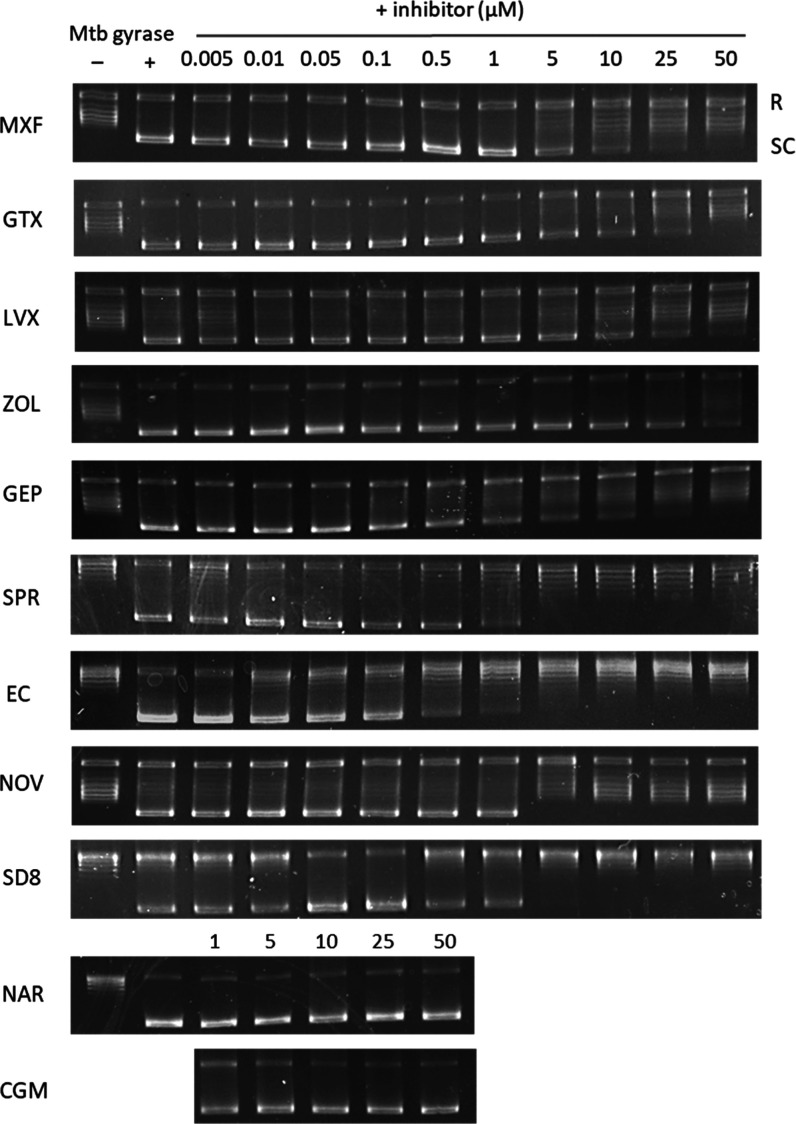
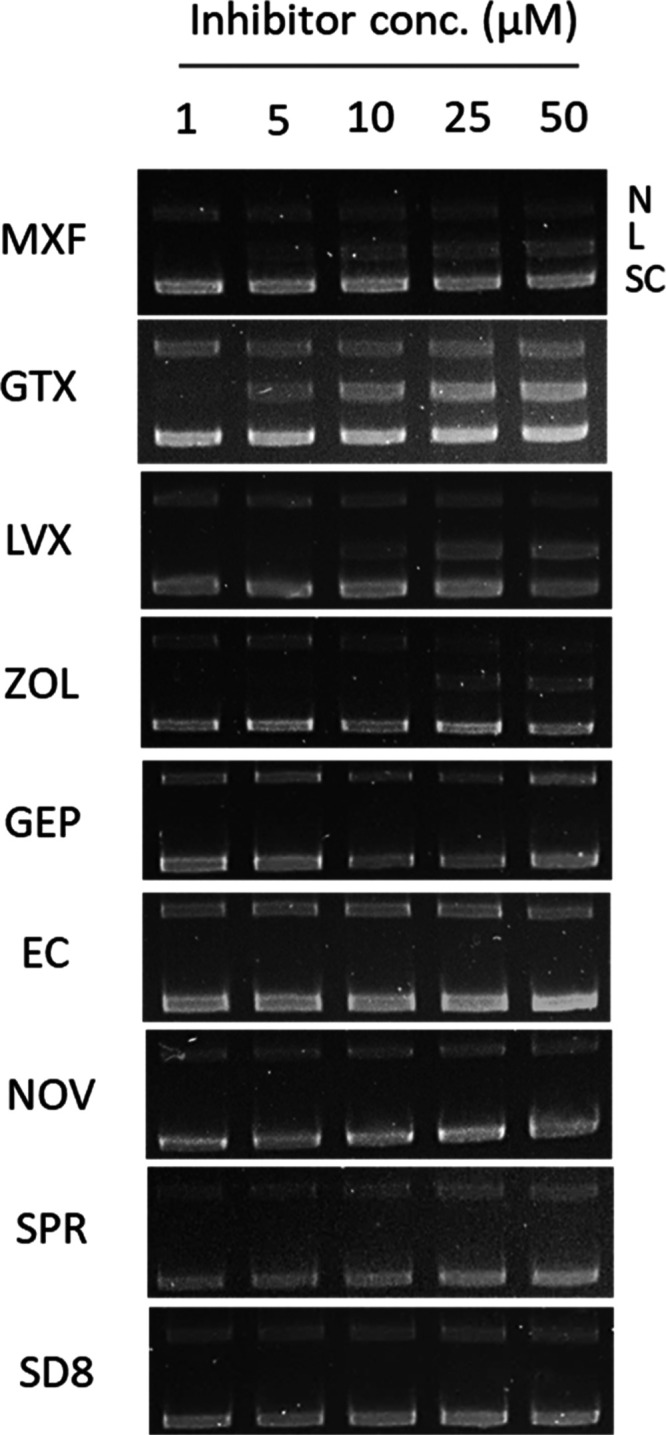
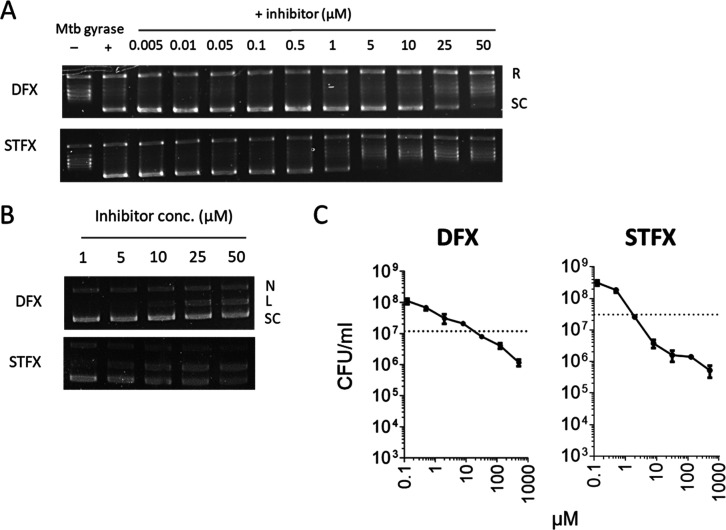
Tuberculosis is the leading cause of mortality by infectious agents worldwide. The necrotic debris, known as caseum, which accumulates in the center of pulmonary lesions and cavities is home to nonreplicating drug-tolerant Mycobacterium tuberculosis that presents a significant hurdle to achieving a fast and durable cure. Fluoroquinolones such as moxifloxacin are highly effective at killing this nonreplicating persistent bacterial population and boosting TB lesion sterilization. Fluoroquinolones target bacterial DNA gyrase, which catalyzes the negative supercoiling of DNA and relaxes supercoils ahead of replication forks. In this study, we investigated the potency of several other classes of gyrase inhibitors against M. tuberculosis in different states of replication. In contrast to fluoroquinolones, many other gyrase inhibitors kill only replicating bacterial cultures but produce negligible cidal activity against M. tuberculosis in ex vivo rabbit caseum. We demonstrate that while these inhibitors are capable of inhibiting M. tuberculosis gyrase DNA supercoiling activity, fluoroquinolones are unique in their ability to cleave double-stranded DNA at low micromolar concentrations. We hypothesize that double-strand break formation is an important driver of gyrase inhibitor-mediated bactericidal potency against nonreplicating persistent M. tuberculosis populations in the host. This study provides general insight into the lesion sterilization potential of different gyrase inhibitor classes and informs the development of more effective chemotherapeutic options against persistent mycobacterial infections.
Keywords: Mycobacterium tuberculosis; caseum; double-strand break; fluoroquinolones; nonreplicating persistence.
Conflict of interest statement
The authors declare no competing financial interest.
Figures
References
-
- Blanc L.; Sarathy J. P.; Cabrera N. A.; O’Brien P.; Dias-Freedman I.; Mina M.; Sacchettini J.; Savic R. M.; Gengenbacher M.; Podell B. K.; Prideaux B.; Ioerger T.; Dick T.; Dartois V. Impact of immunopathology on the antituberculous activity of pyrazinamide. J. Exp. Med. 2018, 215 (8), 1975–1986. 10.1084/jem.20180518. - DOI - PMC - PubMed
-
- Lin P. L.; Ford C. B.; Coleman M. T.; Myers A. J.; Gawande R.; Ioerger T.; Sacchettini J.; Fortune S. M.; Flynn J. L. Sterilization of granulomas is common in active and latent tuberculosis despite within-host variability in bacterial killing. Nat. Med. 2014, 20 (1), 75–79. 10.1038/nm.3412. - DOI - PMC - PubMed
MeSH terms
Substances
LinkOut - more resources
Full Text Sources
