


People with HIV exhibit spectrally distinct patterns of rhythmic cortical activity serving cognitive flexibility
- PMID: 39326464
- PMCID: PMC11525061
- DOI: 10.1016/j.nbd.2024.106680
People with HIV exhibit spectrally distinct patterns of rhythmic cortical activity serving cognitive flexibility
Abstract
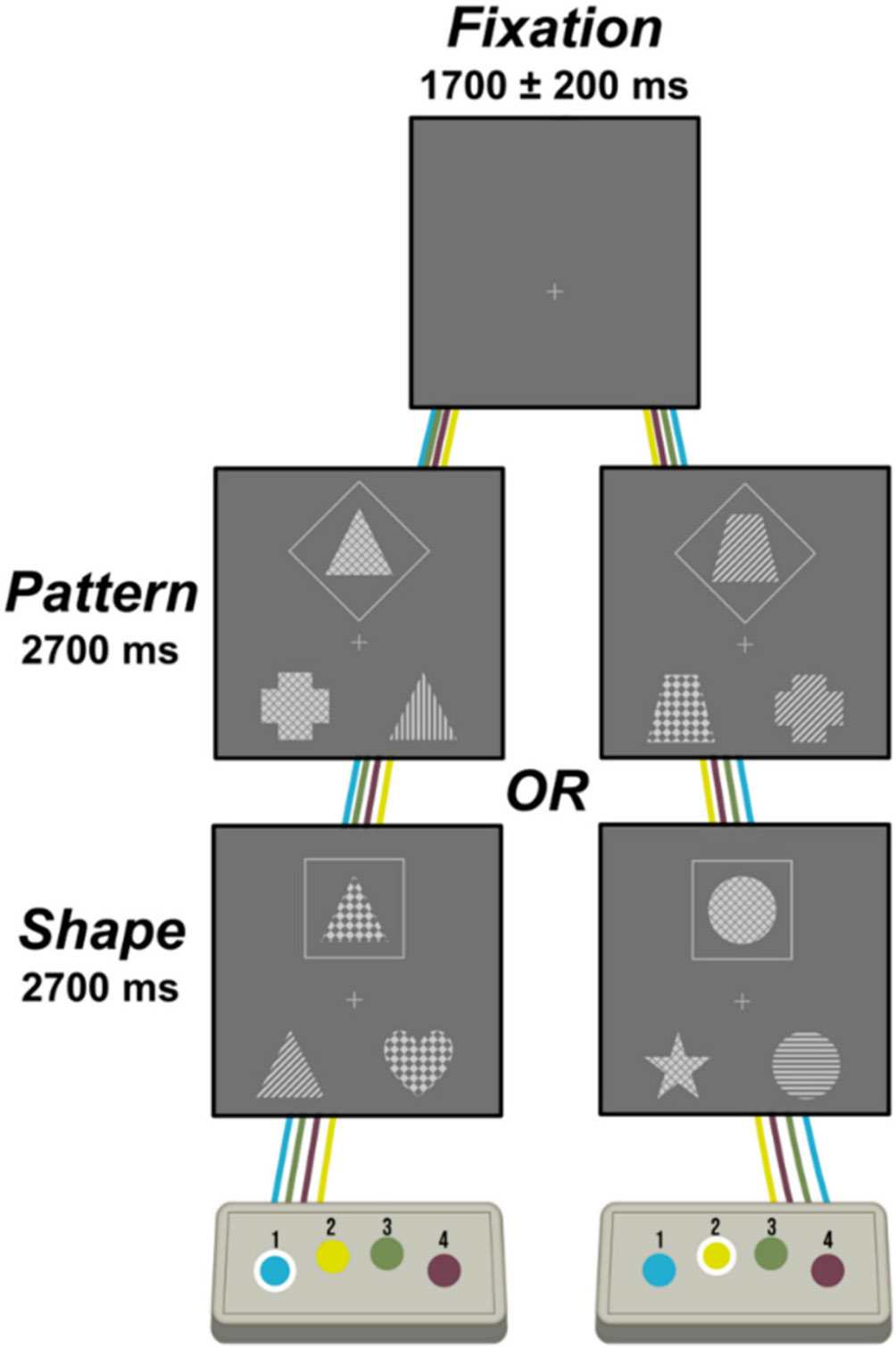
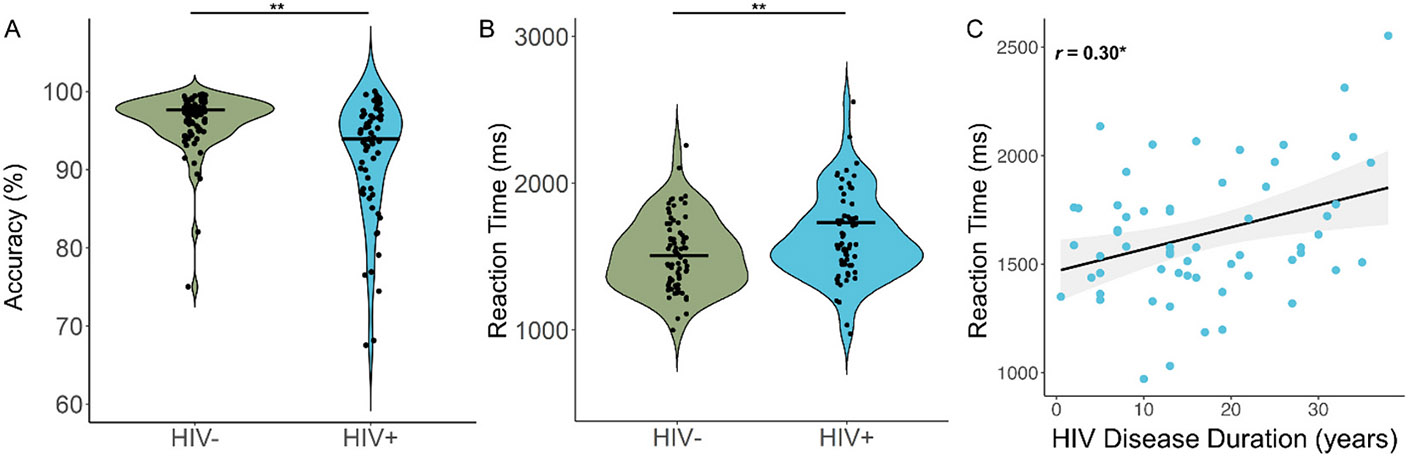
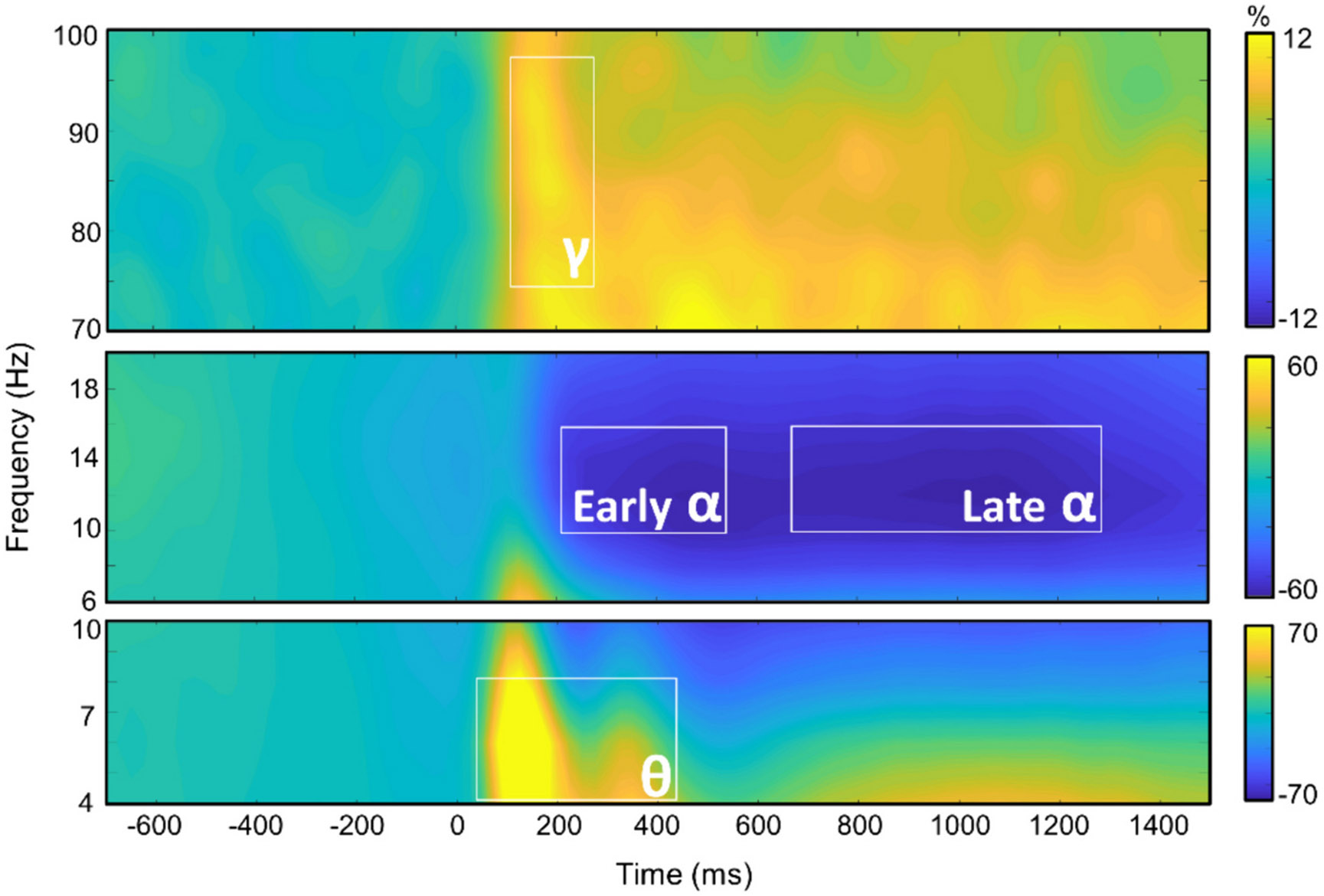
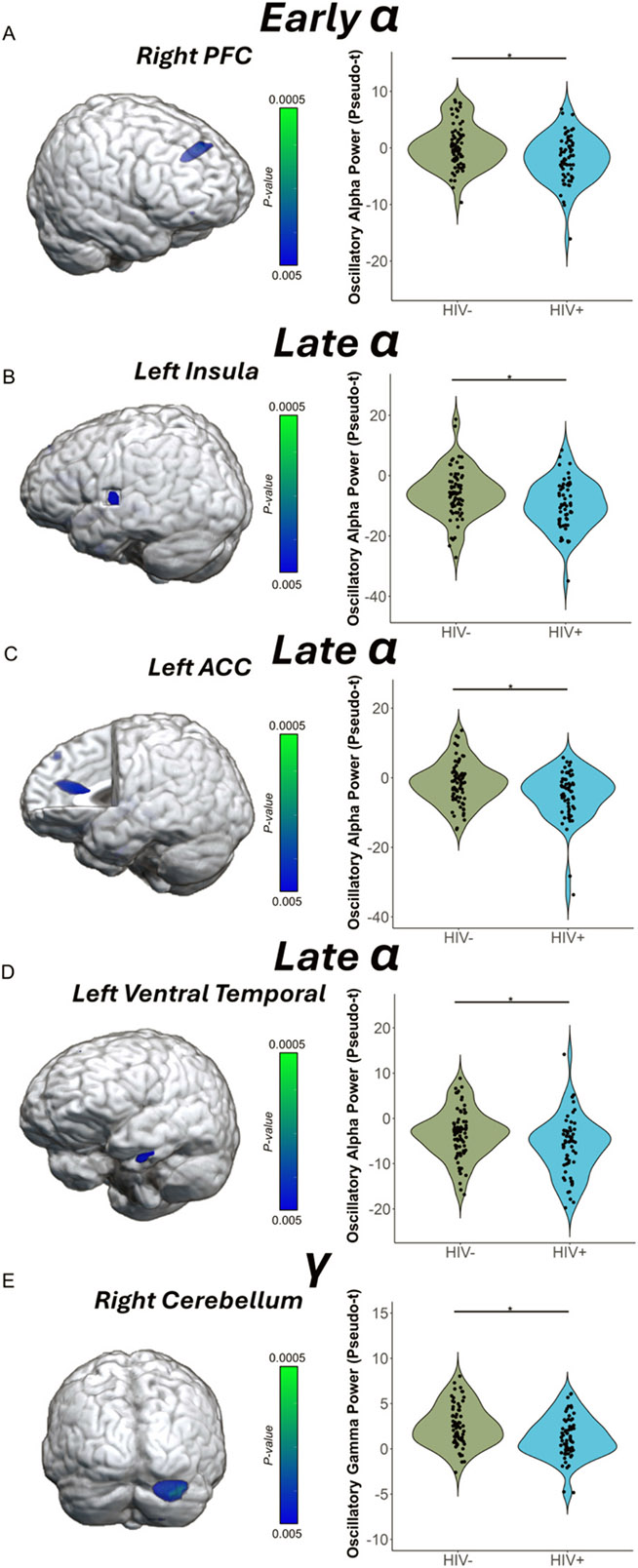
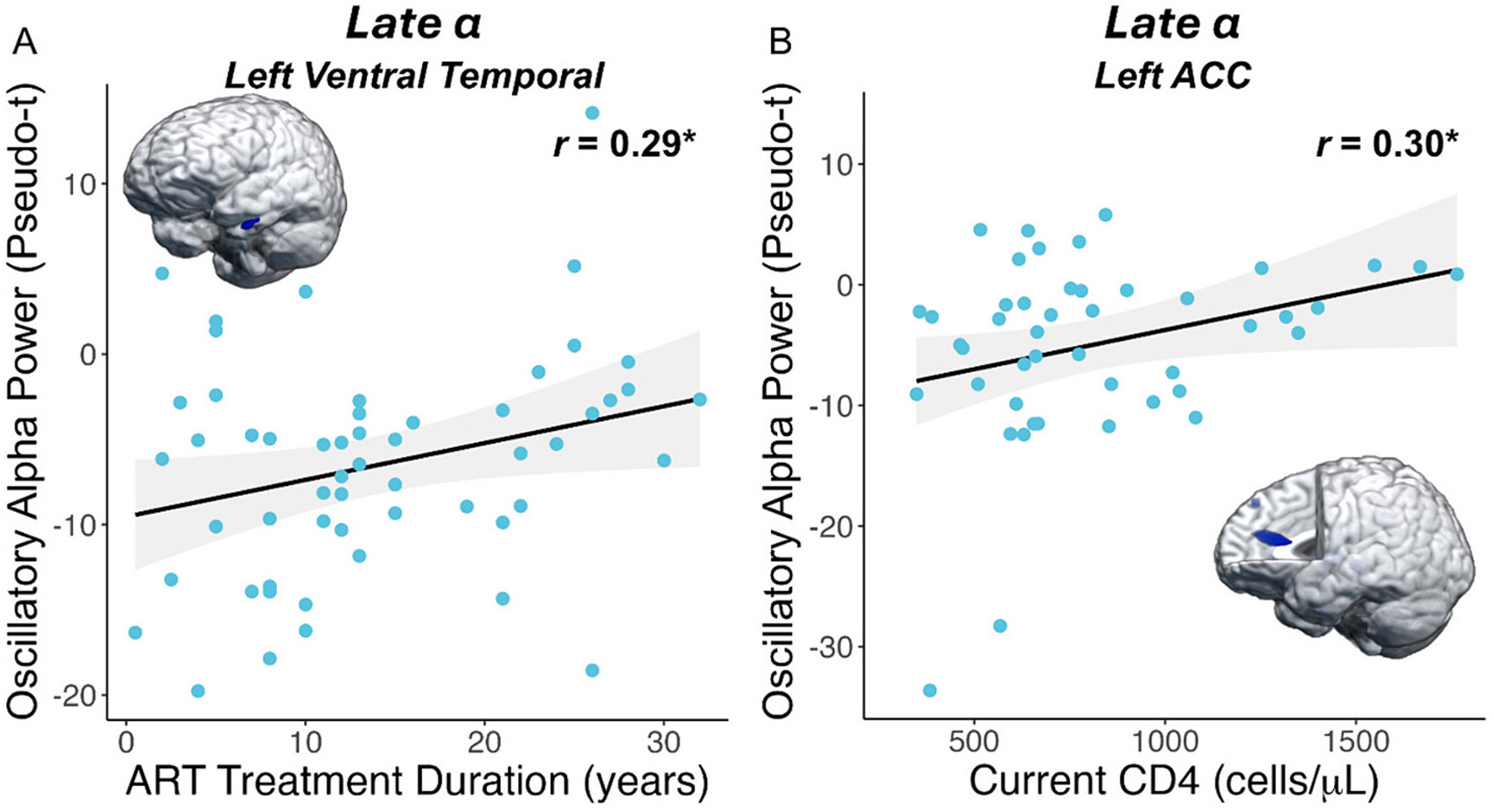
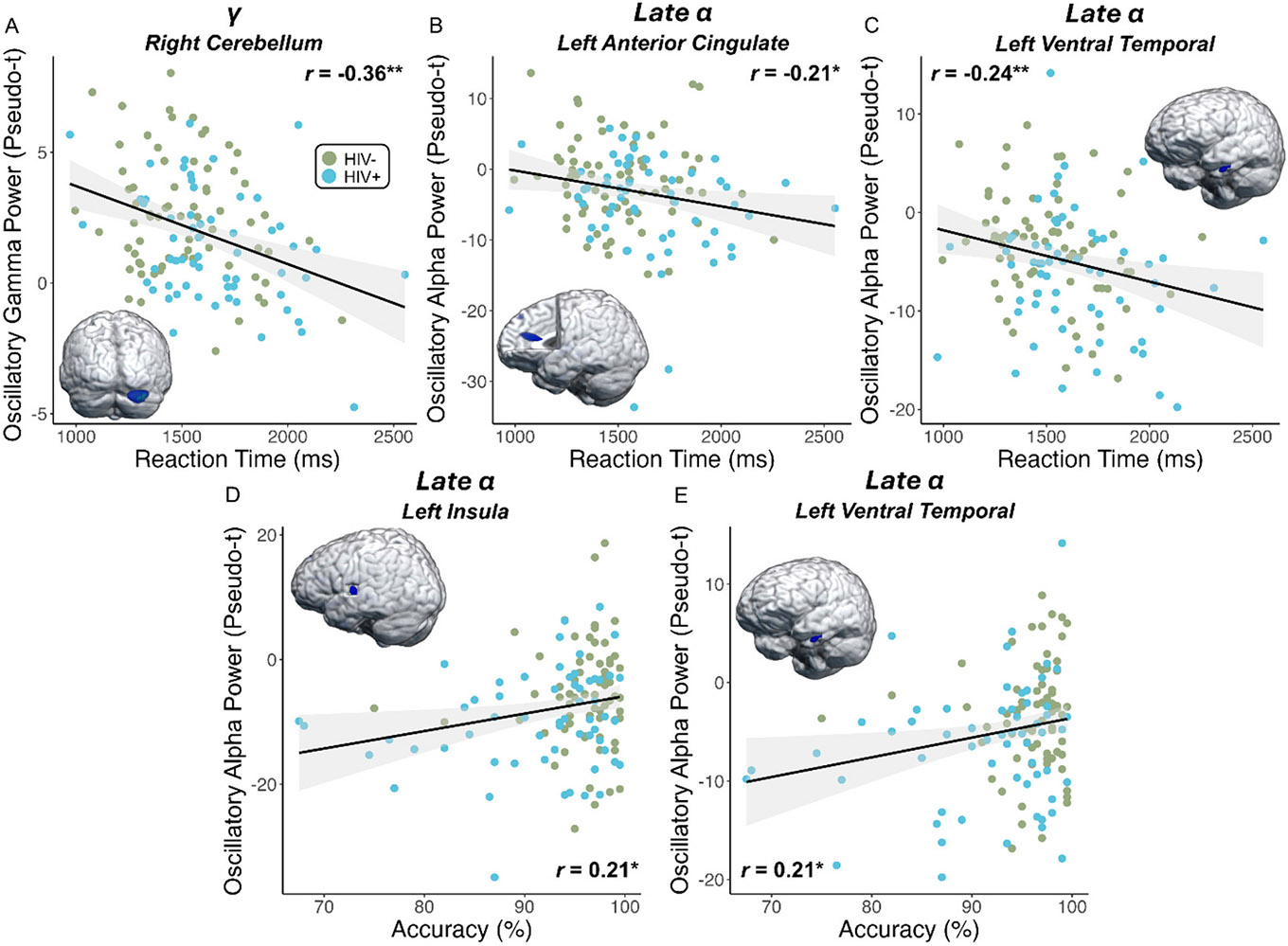
Despite effective antiretroviral therapy, cognitive impairment remains prevalent among people with HIV (PWH) and decrements in executive function are particularly prominent. One component of executive function is cognitive flexibility, which integrates a variety of executive functions to dynamically adapt one's behavior in response to changing contextual demands. Though substantial work has illuminated HIV-related aberrations in brain function, it remains unclear how the neural oscillatory dynamics serving cognitive flexibility are affected by HIV-related alterations in neural functioning. Herein, 149 participants (PWH: 74; seronegative controls: 75) between the ages of 29-76 years completed a perceptual feature matching task that probes cognitive flexibility during high-density magnetoencephalography (MEG). Neural responses were decomposed into the time-frequency domain and significant oscillatory responses in the theta (4-8 Hz), alpha (10-16 Hz), and gamma (74-98 Hz) spectral windows were imaged using a beamforming approach. Whole-brain voxel-wise comparisons were then conducted on these dynamic functional maps to identify HIV-related differences in the neural oscillatory dynamics supporting cognitive flexibility. Our findings indicated group differences in alpha oscillatory activity in the cingulo-opercular cortices, and differences in gamma activity were found in the cerebellum. Across all participants, alpha and gamma activity in these regions were associated with performance on the cognitive flexibility task. Further, PWH who had been treated with antiretroviral therapy for a longer duration and those with higher current CD4 counts had alpha responses that more closely resembled those of seronegative controls, suggesting that optimal clinical management of HIV infection is associated with preserved neural dynamics supporting cognitive flexibility.
Keywords: Hierarchical cognitive control; Higher-order cognition; Magnetoencephalography; Oscillations; Perceptual feature matching.
Copyright © 2024 The Authors. Published by Elsevier Inc. All rights reserved.
Conflict of interest statement
Declaration of competing interest SHB reports scientific advisory to Gilead Sciences and research grants to her institution from ViiV Healthcare and Janssen. All other authors declare that they have no known competing financial interests or personal relationships that could have appeared to influence the work reported in this paper.
Figures
References
-
- Anderson AM, Pérez-Santiago J, Zheng Z, Huang E, Franklin D, Iudicello J, Moore DJ, Ellis RJ, Heaton RK, Letendre SL, 2019. Better executive function is independently associated with full HIV suppression during combination therapy. AIDS 33, 2309–2316. 10.1097/QAD.0000000000002348. - DOI - PMC - PubMed
-
- Antinori A, Arendt G, Becker JT, Brew BJ, Byrd DA, Cherner M, Clifford DB, Cinque P, Epstein LG, Goodkin K, Gisslen M, Grant I, Heaton RK, Joseph J, Marder K, Marra CM, McArthur JC, Nunn M, Price RW, Pulliam L, Robertson KR, Sacktor N, Valcour V, Wojna VE, 2007. Updated research nosology for HIV-associated neurocognitive disorders. Neurology 69, 1789–1799. 10.1212/01.WNL.0000287431.88658.8b. - DOI - PMC - PubMed
-
- Arif Y, Wiesman AI, O’Neill J, Embury C, May PE, Lew BJ, Schantell MD, Fox HS, Swindells S, Wilson TW, 2020. The age-related trajectory of visual attention neural function is altered in adults living with HIV: a cross-sectional MEG study. EBioMedicine 61, 103065. 10.1016/j.ebiom.2020.103065. - DOI - PMC - PubMed
Publication types
MeSH terms
Grants and funding
LinkOut - more resources
Full Text Sources
Medical
Research Materials
