


Comparative Analysis of the Chemical Constituents of Chrysanthemum morifolium with Different Drying Processes Integrating LC/GC-MS-Based, Non-Targeted Metabolomics
- PMID: 39330488
- PMCID: PMC11434334
- DOI: 10.3390/metabo14090481
Comparative Analysis of the Chemical Constituents of Chrysanthemum morifolium with Different Drying Processes Integrating LC/GC-MS-Based, Non-Targeted Metabolomics
Abstract
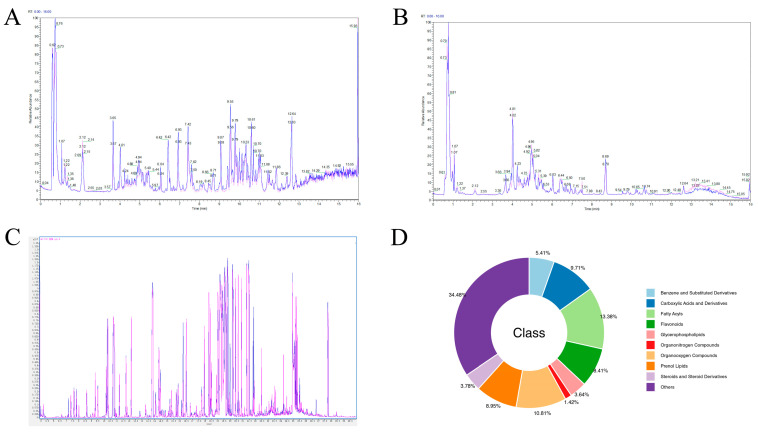
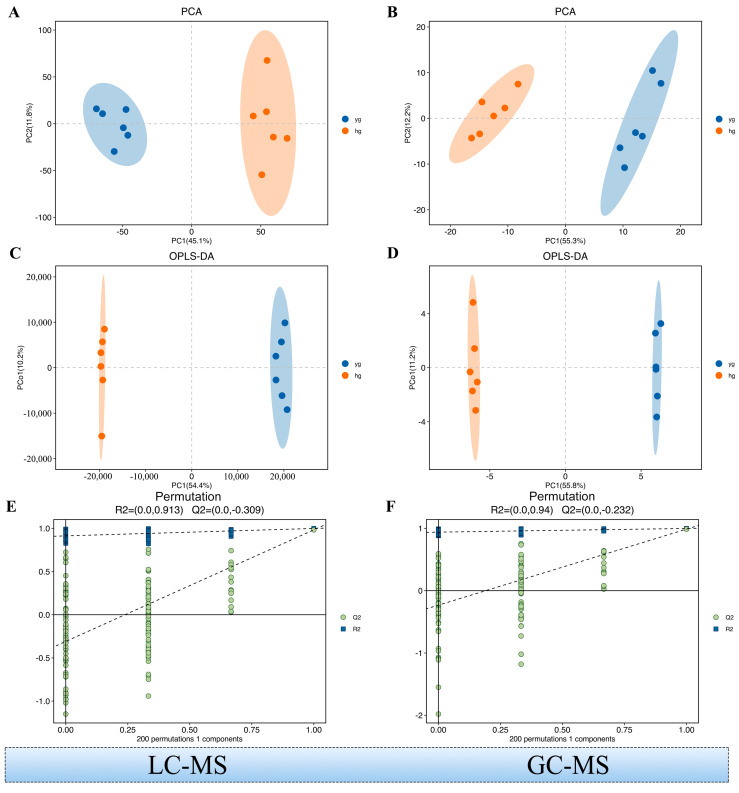
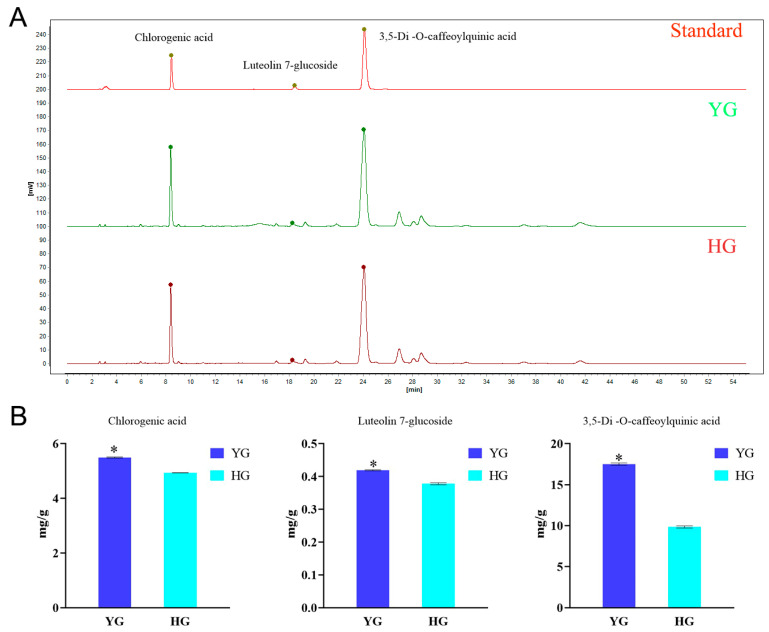
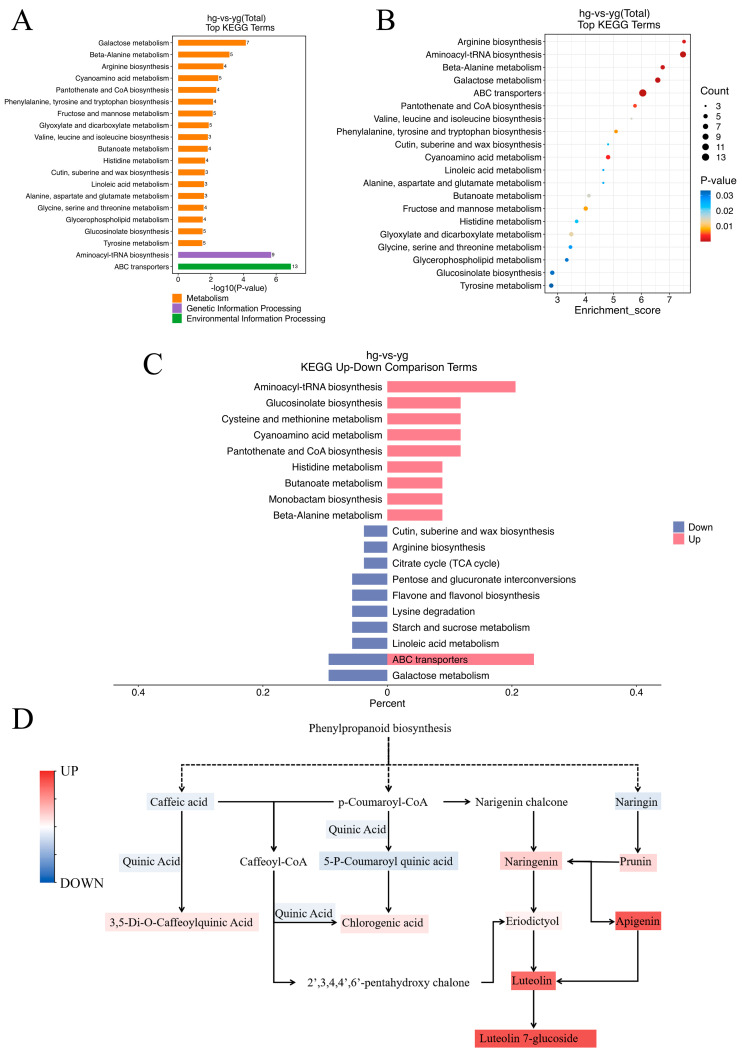
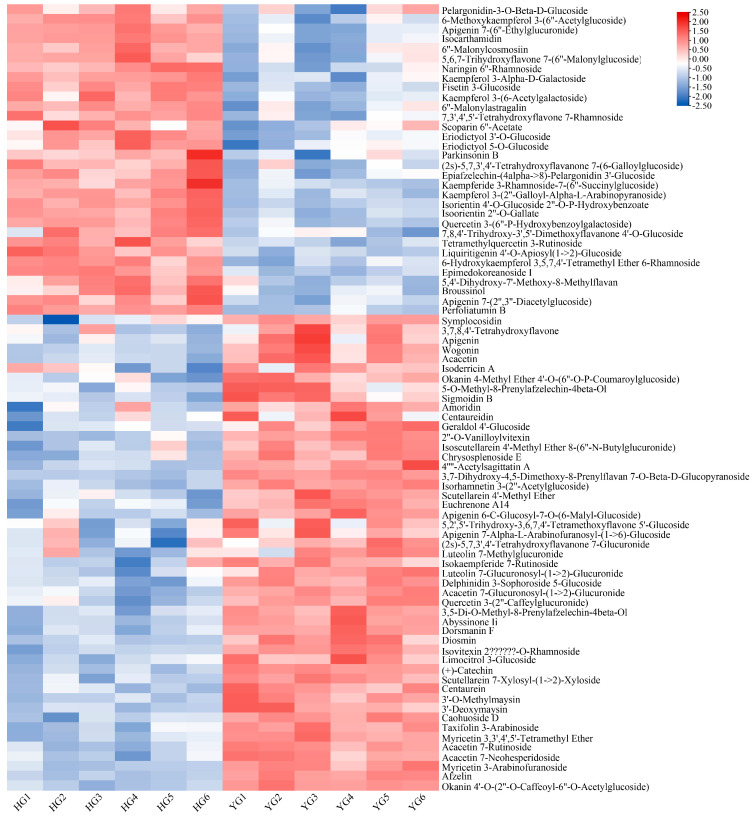
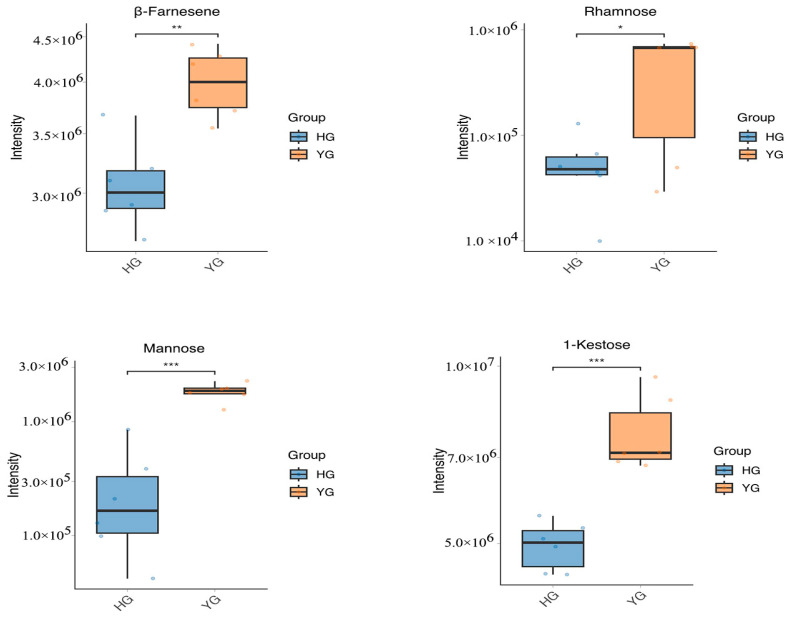
Chrysanthemum morifolium is a perennial herbaceous plant in the Asteraceae family that is used as a medicine and food owing to its superior pharmacological properties. Irrespective of its application, C. morifolium must be dried before use. Shade drying (YG) and heat drying (HG) are the two drying methods used in most origins. Given the abundance of flavonoids, phenolic acids, and terpenoids, the primary medicinal active constituents of C. morifolium, it is important to determine whether the composition and content of these compounds are altered during the drying processes. To test this, the changes in the chemical composition of C. morifolium flowers after YG and HG using full-spectrum, non-targeted LC/GC-MS-based metabolomics and, subsequently, the three indicator components of C. morifolium-chlorogenic acid, 3,5-dicaffeoylquinic acid, and luteolin-7-O-glucoside-were accurately quantified by HPLC. The results of the non-targeted metabolomics analysis revealed that YG- and HG-processed C. morifolium differed significantly with respect to chemical contents, especially flavonoids, phenolic acids, and terpenoids. The levels of the indicator components and their precursors also differed significantly between the YG and HG treatments. The contents of most of the flavonoids and key phenolic acids, terpenoids, and carbohydrates were higher with YG than with HG pre-treatment. These results revealed the changes in the chemical composition of C. morifolium during the YG and HG processes, thus providing a reference for the further optimization of the production and processing of chrysanthemums.
Keywords: Chrysanthemum morifolium; heat drying (HG); high performance liquid chromatography; non-targeted metabolome; shade drying (YG).
Conflict of interest statement
Author Kai Liu was employed by the company Bozhou Xinghe Agricultural Development Co., Ltd. The remaining authors declare that the research was conducted in the absence of any commercial or financial relationships that could be construed as a potential conflict of interest.
Figures

References
-
- National Pharmacopoeia Committee . Pharmacopoeia of the People’s Republic of China. China Medical Science and Technology Press; Beijing, China: 2020. pp. 323–324.
-
- Hu C. Chrysanthemum Morifolium Ramat (Juhua, Florists Chrysanthemum) Springer; Vienna, Austria: 2015.
-
- Cheon M.S., Yoon T., Choi G., Moon B.C., Lee A.Y., Choo B.K., Kim H.K. Chrysanthemum indicum Linné extract inhibits the inflammatory response by suppressing NF-κB and MAPKs activation in lipopolysaccharide-induced RAW 264.7 macrophages. J. Ethnopharmacol. 2009;122:473–477. doi: 10.1016/j.jep.2009.01.034. - DOI - PubMed
LinkOut - more resources
Full Text Sources
Miscellaneous
