


Longitudinal Baboon (Papio anubis) Neutrophil to Lymphocyte Ratio (NLR), and Correlations with Monthly Sedation Rate and Within-Group Sedation Order
- PMID: 39330802
- PMCID: PMC11435456
- DOI: 10.3390/vetsci11090423
Longitudinal Baboon (Papio anubis) Neutrophil to Lymphocyte Ratio (NLR), and Correlations with Monthly Sedation Rate and Within-Group Sedation Order
Abstract
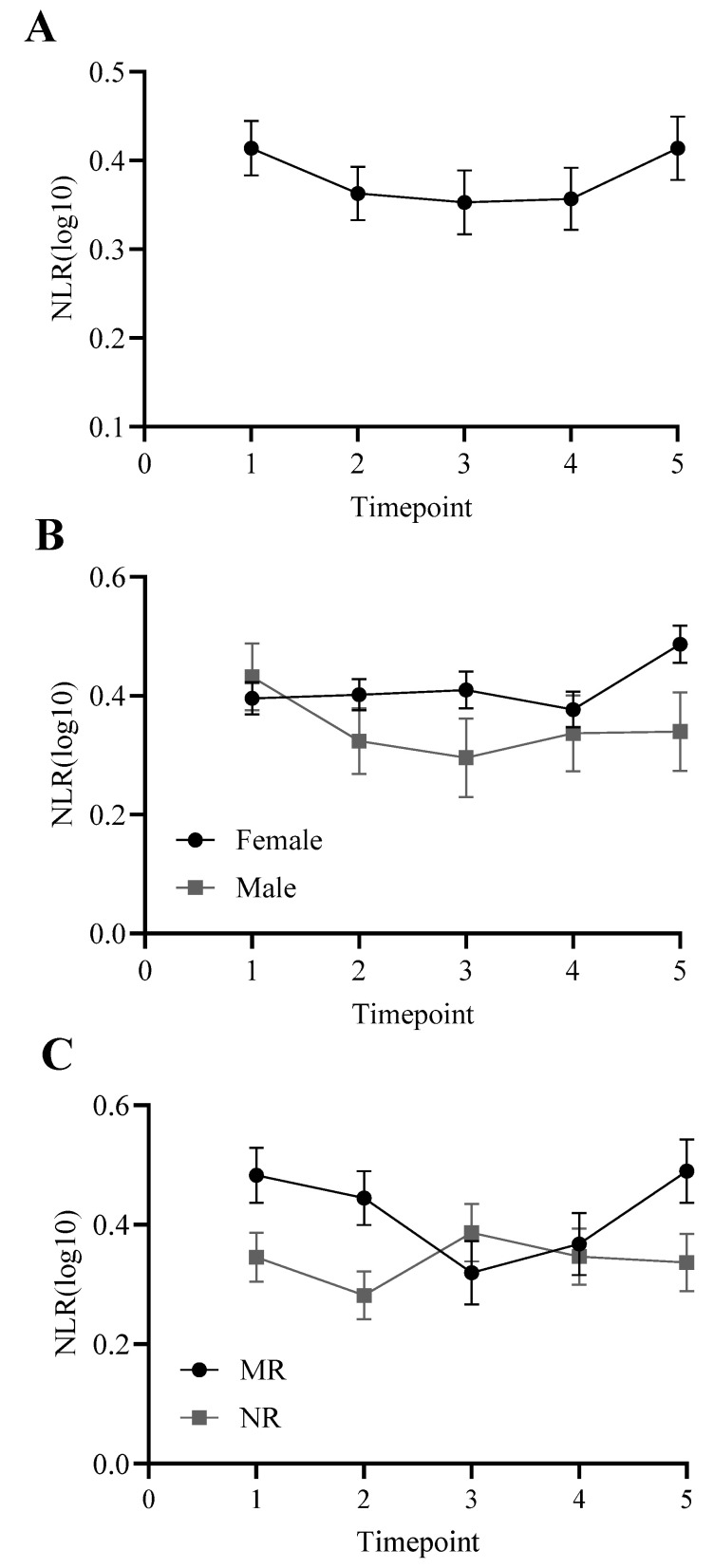
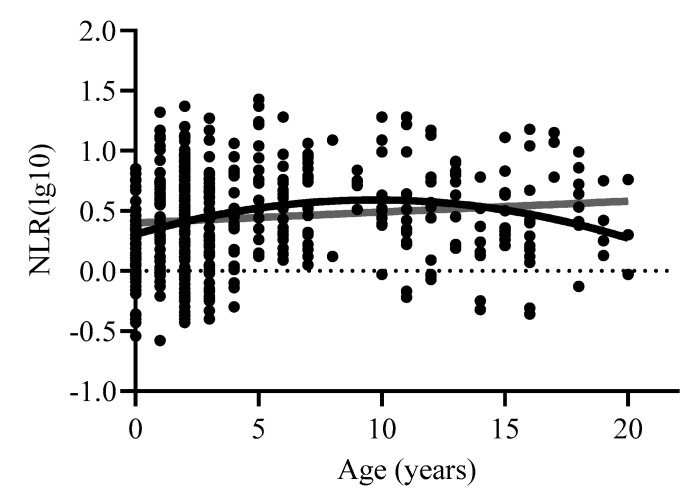
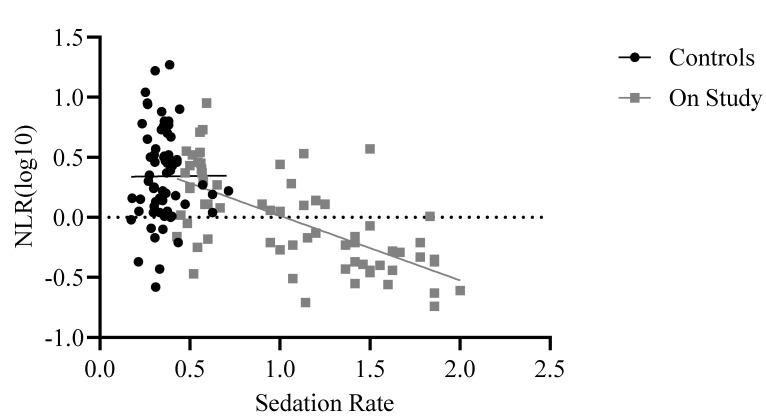
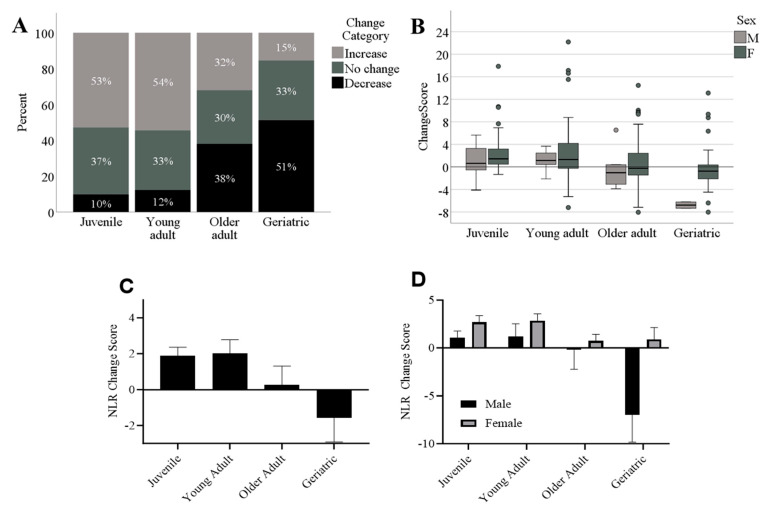
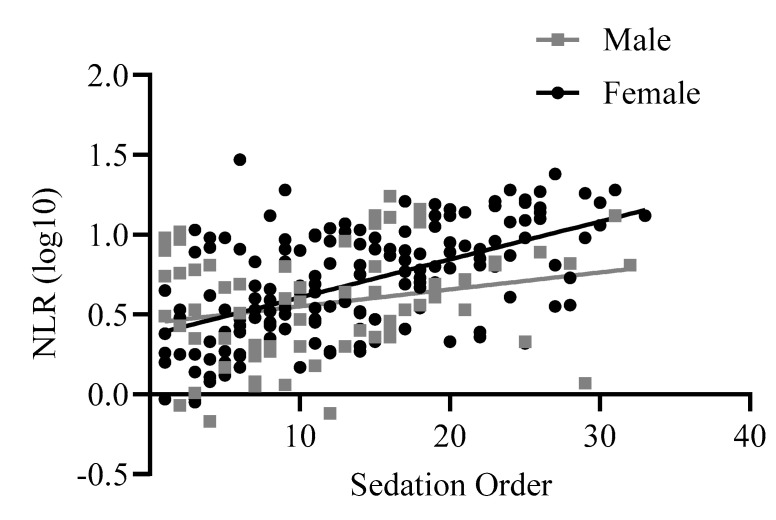
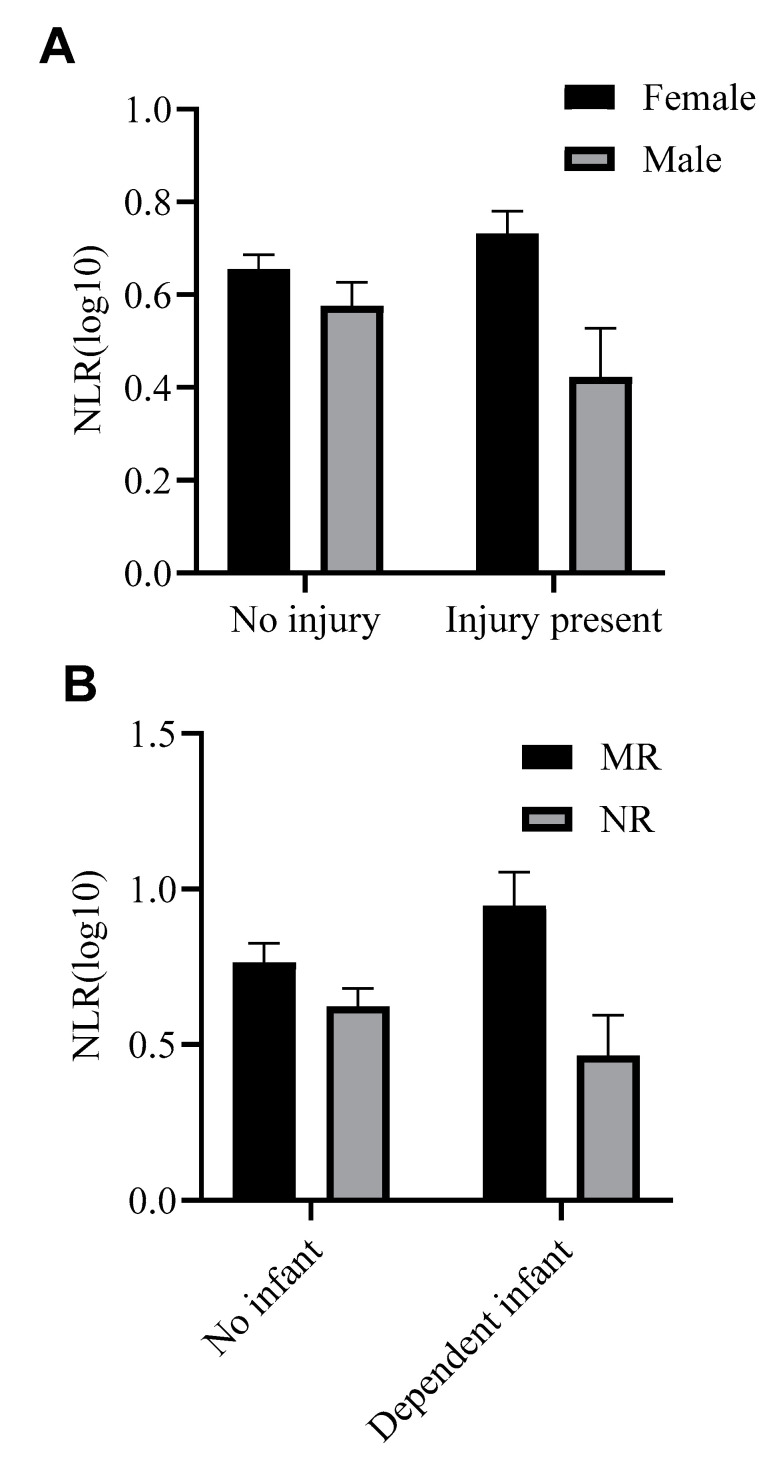
Neutrophil to lymphocyte ratio (NLR) is a simple marker of stress and inflammation, but there is limited research regarding NLR in nonhuman primates (NHPs), with studies showing associations with longevity, certain medical conditions, and stressful circumstances. Here, we examined baboon NLR longitudinally, and as a function of health parameters. We also examined whether NLR was affected by sedation rate, as well as the order of sedation within a group, given that sedation events during clinical and research practices can induce stress in NHPs. While older adult and geriatric baboon NLR did not differ longitudinally, juvenile and young adult NLR tended to increase, primarily driven by increases in females. Additionally, baboons sedated later within a group showed significantly higher NLRs than those sedated earlier in the process. However, baboons with higher sedation rates per month showed lower NLRs. These data indicate that NLR may be dysregulated in different ways as a function of different types of stress, with sedation order (i.e., acute stress) causing pathological increases in NLR, and sedation rate over time (i.e., chronic stress) causing decreases. Importantly, we propose that NLR, a routinely obtained veterinary measure, has potential utility as a welfare indicator of stress resulting from clinical and research practices, as well as a measure that can inform behavioral management practices and interventions.
Keywords: immune dysregulation; nonhuman primate; stress; welfare.
Conflict of interest statement
The authors have no conflicts of interest to declare.
Figures
References
-
- Novak M.A., Hamel A.F., Ryan A.M., Menard M.T., Meyer J.S. Handbook of Primate Behavioral Management. CRC Press; Boca Raton, FL, USA: 2017. The role of stress in abnormal behavior and other abnormal conditions such as hair loss; pp. 75–94.
Grants and funding
LinkOut - more resources
Full Text Sources
