


Assessment of the Circulating PD-1 and PD-L1 Levels and P53 Expression as a Predictor of Relapse in Pediatric Patients with Wilms Tumor and Hypernephroma
- PMID: 39334568
- PMCID: PMC11430274
- DOI: 10.3390/children11091035
Assessment of the Circulating PD-1 and PD-L1 Levels and P53 Expression as a Predictor of Relapse in Pediatric Patients with Wilms Tumor and Hypernephroma
Abstract
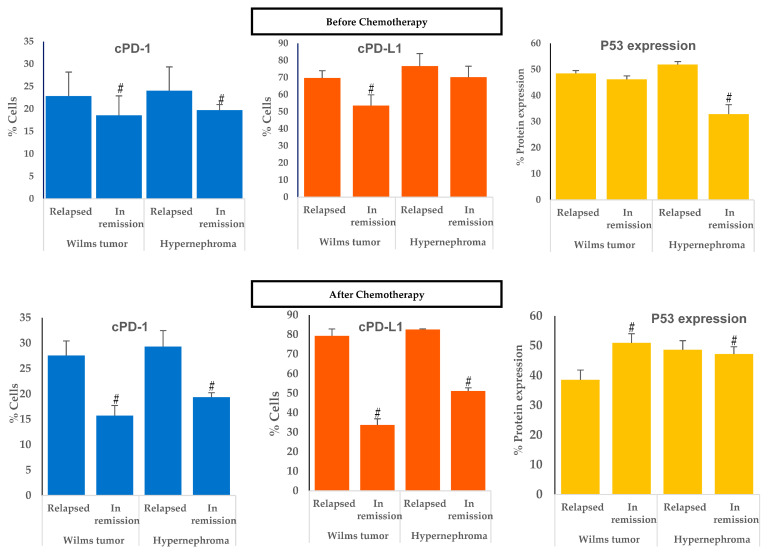
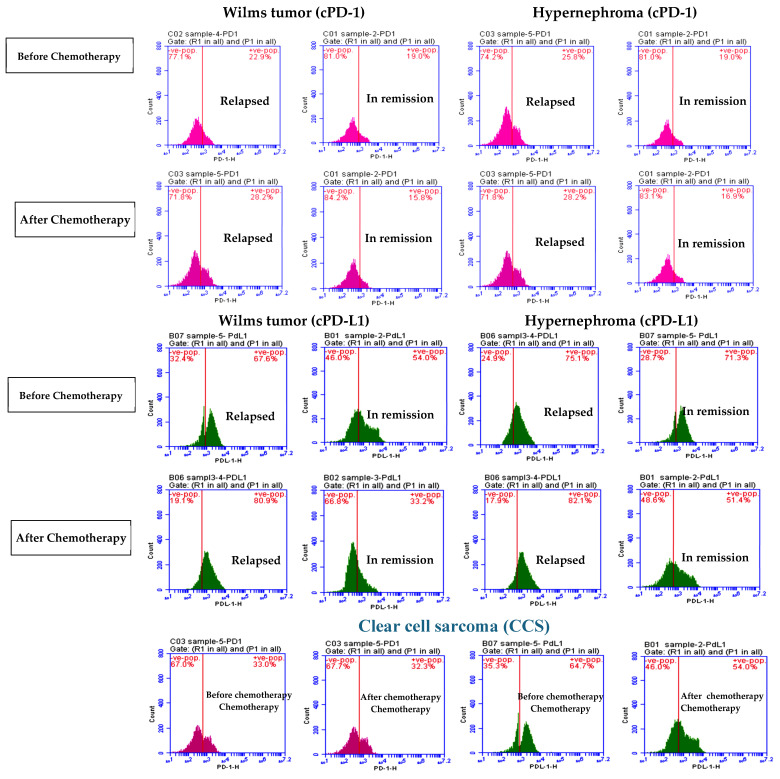
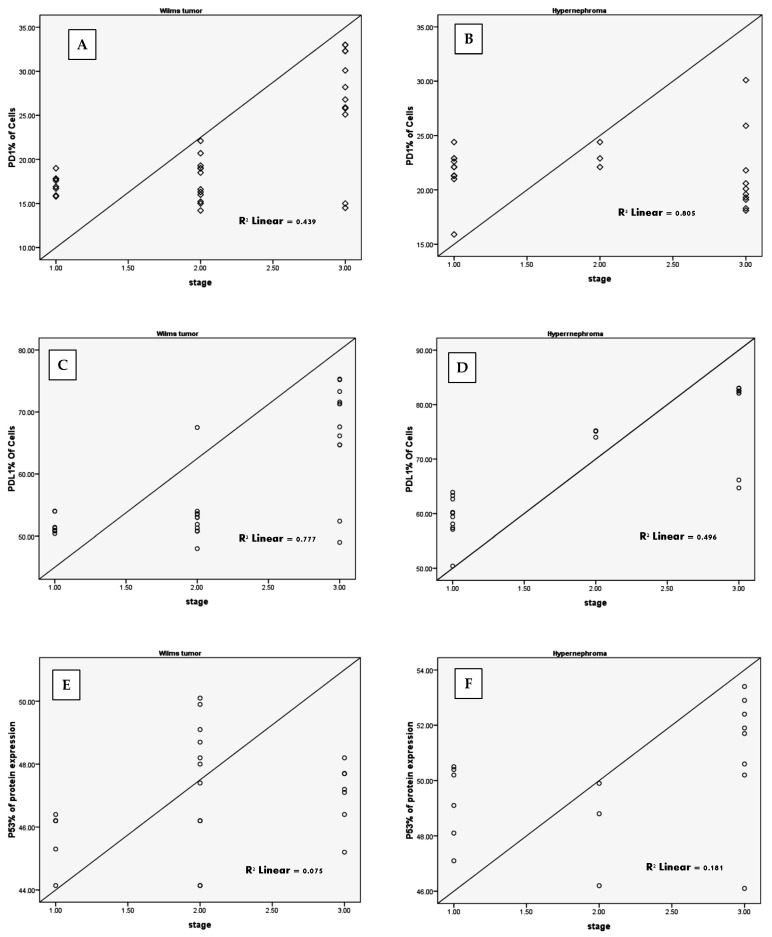
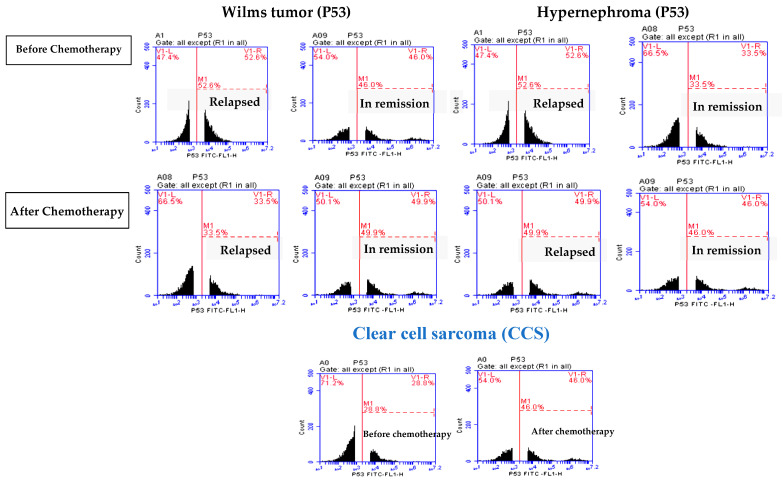
Background/Objectives: Wilms tumor (WT) is the most common form of pediatric renal tumor, accounting for over 90% of cases followed by hypernephroma. Some pediatric patients with WT (10%) experience relapse or metastasis and have poor survival rates. PD-L1 assists cancer cells in escaping damage from the immune system. P53 mutations are found in relapsed WT tumor samples. We hypothesized that testing circulating PD-1 and PD-L1 and P53 expression levels could offer a simple method to predict patient relapse and explore novel treatments for pediatric WTs and hypernephroma. Methods: Flow cytometric detection of cPD-1, cPD-L1, and P53 expression in relapsed and in-remission WT and hypernephroma before and after one year of chemotherapy was performed. Results: Our data shows increased levels of cPD-L1 in relapsed pediatric patients with WT or hypernephroma before and after chemotherapy. There were also slight and significant increases in cPD-1 levels in relapsed groups before chemotherapy. Additionally, we observed significant decreases in P53 expression after one year of chemotherapy in relapsed pediatric patients. Conclusions: Our study found that circulating PD-L1 can be used as a predictor marker for WT and hypernephroma relapse. In conclusion, these circulating markers can assist in monitoring relapse in WT and hypernephroma patients without the need for several biopsies.
Keywords: P53; PD-1; PD-L1; Wilms tumor; hypernephroma; pediatric renal tumor; relapse.
Conflict of interest statement
The authors declare no conflicts of interest.
Figures
References
LinkOut - more resources
Full Text Sources
Research Materials
Miscellaneous
