


Occurrence of Uncultured Legionella spp. in Treated Wastewater Effluent and Its Impact on Human Health (SCA.Re.S Project)
- PMID: 39338977
- PMCID: PMC11435233
- DOI: 10.3390/pathogens13090786
Occurrence of Uncultured Legionella spp. in Treated Wastewater Effluent and Its Impact on Human Health (SCA.Re.S Project)
Abstract
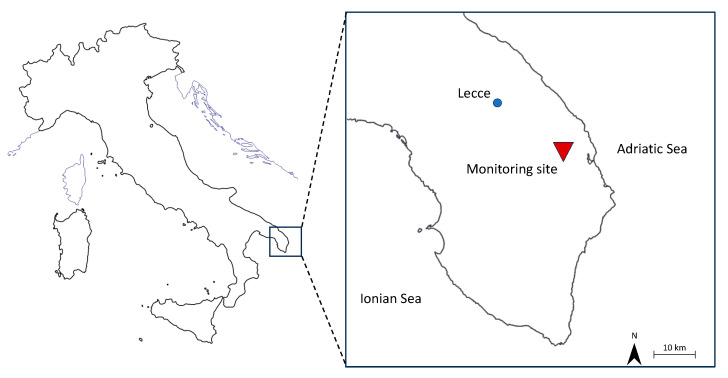
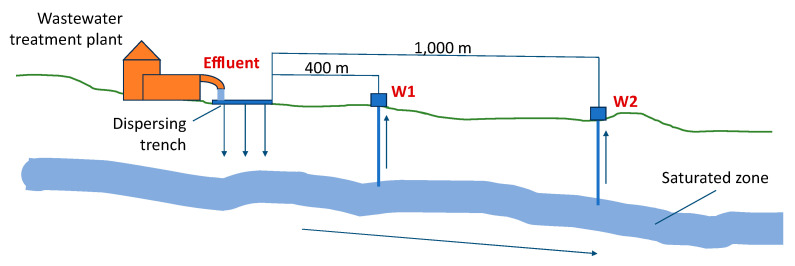
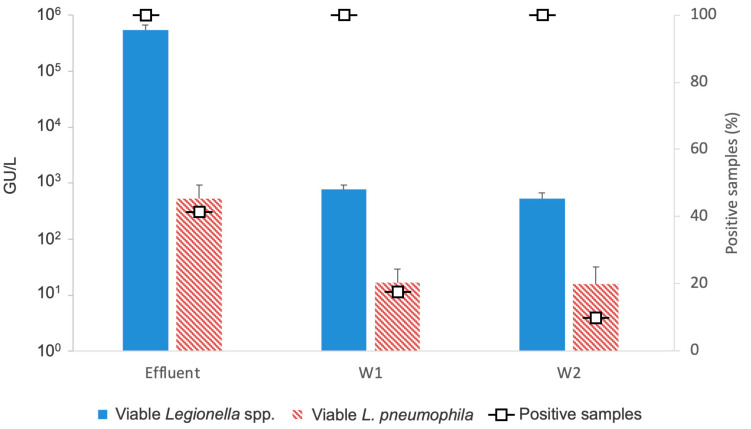
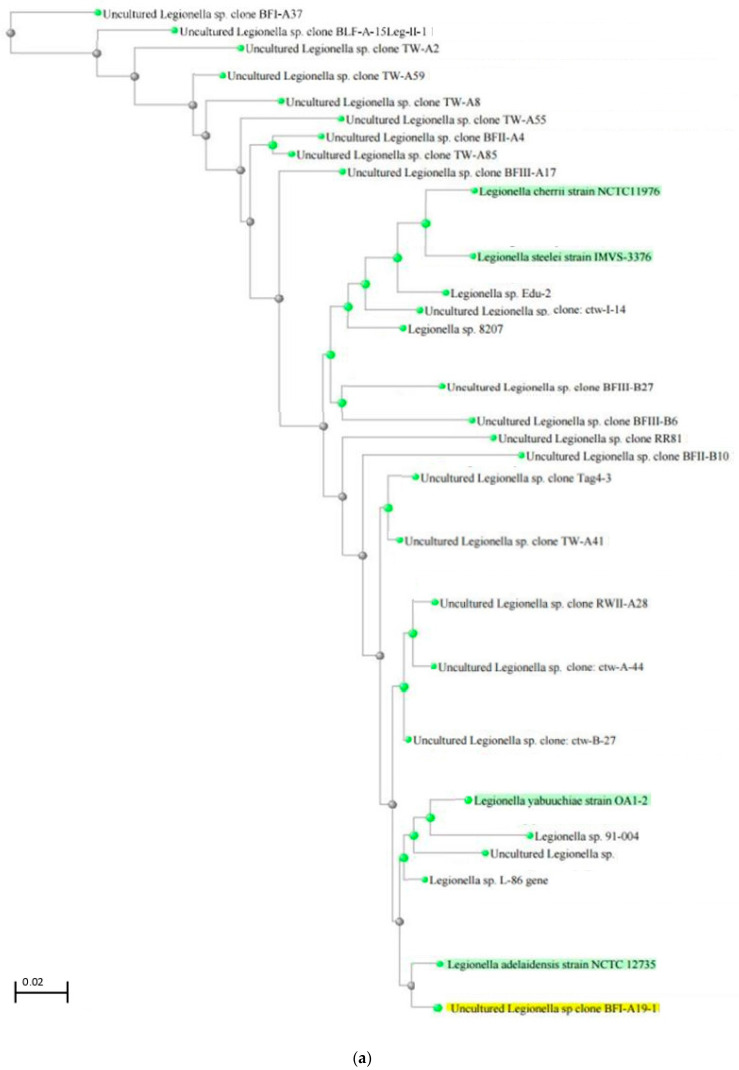
Wastewater treatment plants (WWTPs) provide optimal conditions for the environmental spread of Legionella. As part of the Evaluation of Sanitary Risk Related to the Discharge of Wastewater to the Ground (SCA.Re.S) project, this study was conducted to evaluate the presence of Legionella in WWTP effluent and in groundwater samples collected from two wells located downstream from the plant. The samples were analyzed to determine the concentrations of Legionella spp using the standard culture-based method and molecular techniques, followed by genomic sequencing analysis. Legionella was detected only with the molecular methods (except in one sample of effluent positive for L. pneumophila serogroup 6), which showed viable Legionella pneumophila and L. non-pneumophila through the use of free DNA removal solution in both the effluent and groundwater, with concentrations that progressively decreased downstream from the plant. Viable L. pneumophila appeared to be slightly more concentrated in warm months. However, no significant differences (p ≥ 0.05) in concentrations between cold and warm months were observed. A genotypic analysis characterized the species present in the samples and found that uncultured Legionella spp, as yet undefined, constituted the prevalent species in all the samples (range 77.15-83.17%). WWTPs play an important role in the hygienic and sanitary quality of groundwater for different uses. The application of Legionella control systems during the purification of effluents is warranted to prevent possible outbreaks of legionellosis.
Keywords: Legionella non-pneumophila; detection methods; groundwater; viability; wastewater treatment plant.
Conflict of interest statement
The authors declare that they have no conflicts of interest.
Figures


References
-
- De Giglio O., Napoli C., Diella G., Fasano F., Lopuzzo M., Apollonio F., D’Ambrosio M., Campanale C., Triggiano F., Caggiano G., et al. Integrated Approach for Legionellosis Risk Analysis in Touristic-Recreational Facilities. Environ. Res. 2021;202:111649. doi: 10.1016/j.envres.2021.111649. - DOI - PubMed
-
- De Giglio O., Diella G., Lopuzzo M., Triggiano F., Calia C., Pousis C., Fasano F., Caggiano G., Calabrese G., Rafaschieri V., et al. Impact of Lockdown on the Microbiological Status of the Hospital Water Network during COVID-19 Pandemic. Environ. Res. 2020;191:110231. doi: 10.1016/j.envres.2020.110231. - DOI - PMC - PubMed
-
- LPSN List of Prokaryotic Names with Standing in Nomenclature. [(accessed on 4 August 2024)]. Available online: https://lpsn.dsmz.de/species.
MeSH terms
Substances
Grants and funding
LinkOut - more resources
Full Text Sources
Molecular Biology Databases
Research Materials
Miscellaneous
