


Capsaicin Improves Systemic Inflammation, Atherosclerosis, and Macrophage-Derived Foam Cells by Stimulating PPAR Gamma and TRPV1 Receptors
- PMID: 39339767
- PMCID: PMC11435000
- DOI: 10.3390/nu16183167
Capsaicin Improves Systemic Inflammation, Atherosclerosis, and Macrophage-Derived Foam Cells by Stimulating PPAR Gamma and TRPV1 Receptors
Abstract
Background: Capsaicin, a bioactive compound found in peppers, is recognized for its anti-inflammatory, antioxidant, and anti-lipidemic properties. This study aimed to evaluate the effects of capsaicin on atherosclerosis progression.
Methods: Apolipoprotein E knockout mice and their C57BL/6 controls were utilized to assess blood lipid profile, inflammatory status, and atherosclerotic lesions. We also examined the influence of capsaicin on cholesterol influx and efflux, and the role of TRPV1 and PPARγ signaling pathways in bone marrow-derived macrophages.
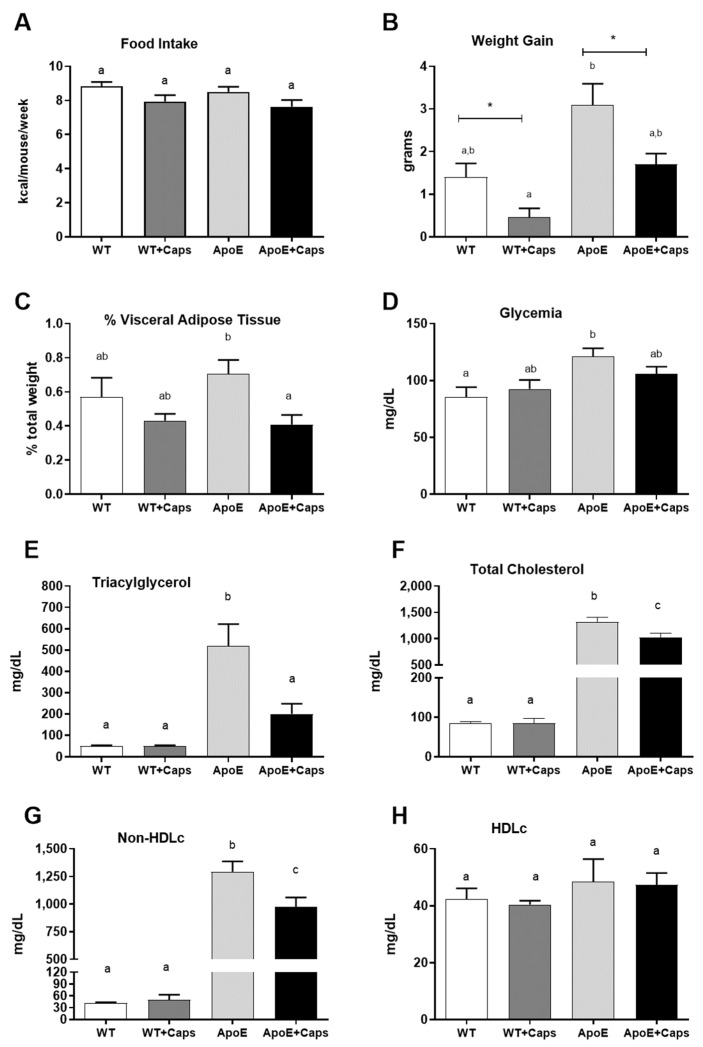
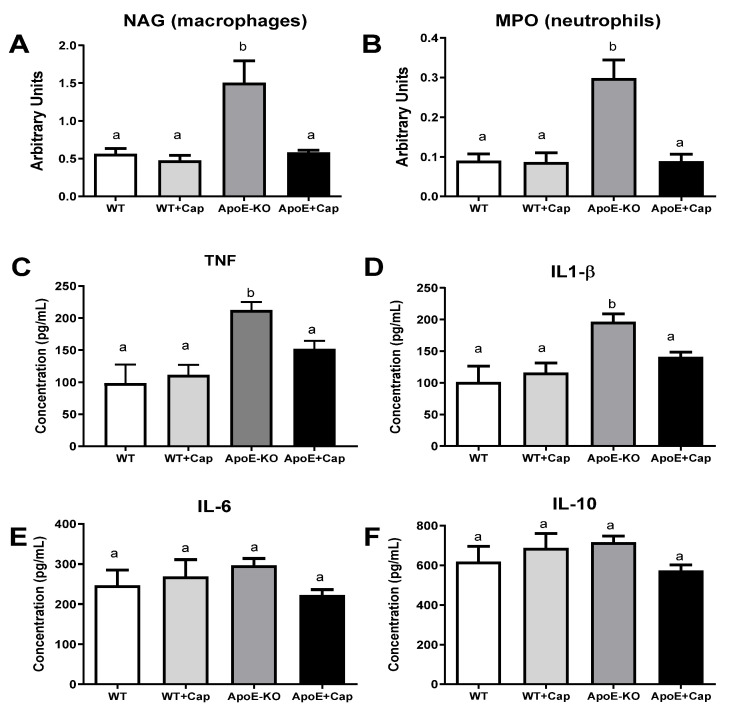
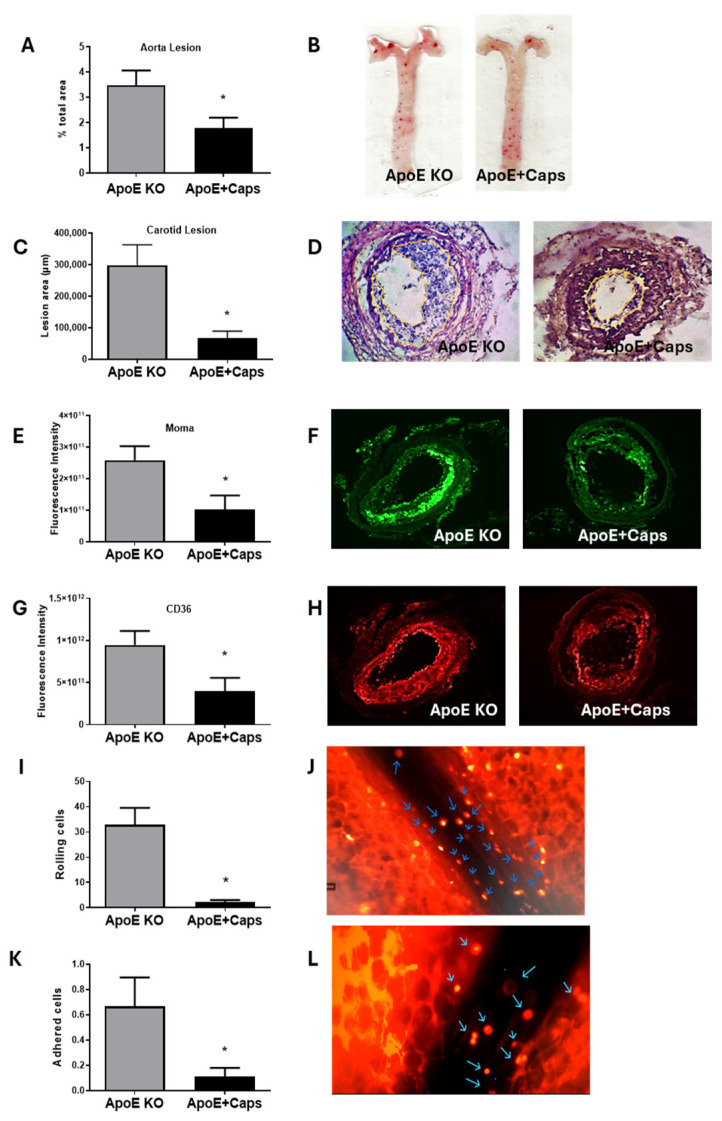
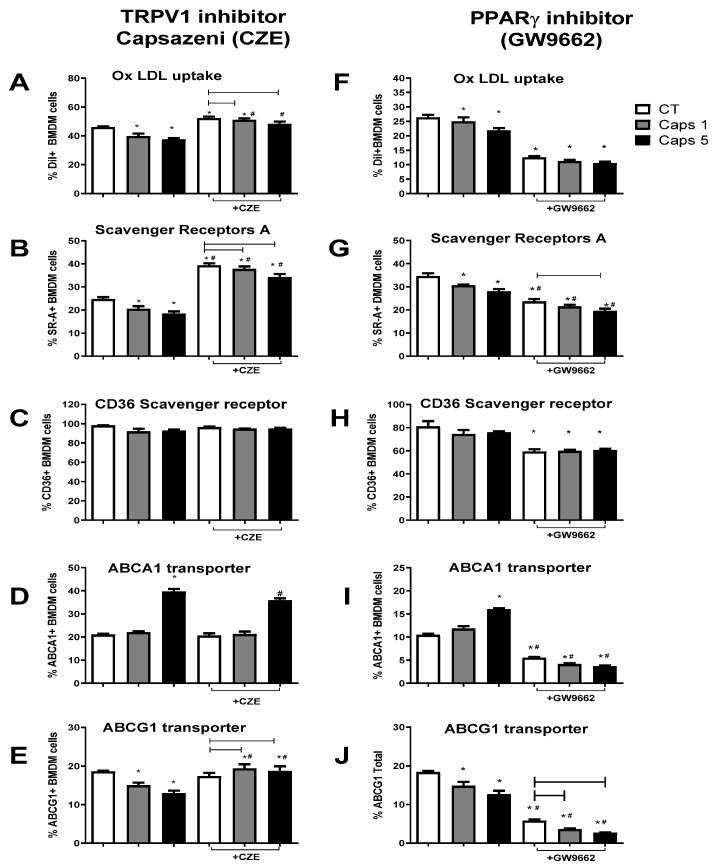
Results: Capsaicin treatment reduced weight gain, visceral adiposity, blood triglycerides, and total and non-HDL cholesterol. These improvements were associated with a reduction in atherosclerotic lesions in the aorta and carotid. Capsaicin also improved hepatic oxidative and inflammatory status. Systemic inflammation was also reduced, as indicated by reduced leukocyte rolling and adhesion on the mesenteric plexus. Capsaicin decreased foam cell formation by reducing cholesterol influx through scavenger receptor A and increasing cholesterol efflux via ATP-binding cassette transporter A1, an effect primarily linked to TRPV1 activation.
Conclusions: These findings underscore the potential of capsaicin as a promising agent for atherosclerosis prevention, highlighting its comprehensive role in modulating lipid metabolism, foam cell formation, and inflammatory responses.
Keywords: PPARγ; TRPV1; atherosclerosis; capsaicin; foam cells; inflammation.
Conflict of interest statement
The authors declare no conflicts of interest.
Figures
References
-
- Nawaka N., Wanmasae S., Makarasen A., Dechtrirat D., Techasakul S., Jeenduang N. Allicin and Capsaicin Ameliorated Hypercholesterolemia by Upregulating LDLR and Downregulating PCSK9 Expression in HepG2 Cells. Int. J. Mol. Sci. 2022;23:14299. doi: 10.3390/ijms232214299. (In English) - DOI - PMC - PubMed
MeSH terms
Substances
Grants and funding
LinkOut - more resources
Full Text Sources
Medical
