


Botulinum toxin as an effective treatment for persistent twitching in first toe: a detailed case study
- PMID: 39340250
- PMCID: PMC11439171
- DOI: 10.1177/03000605241285155
Botulinum toxin as an effective treatment for persistent twitching in first toe: a detailed case study
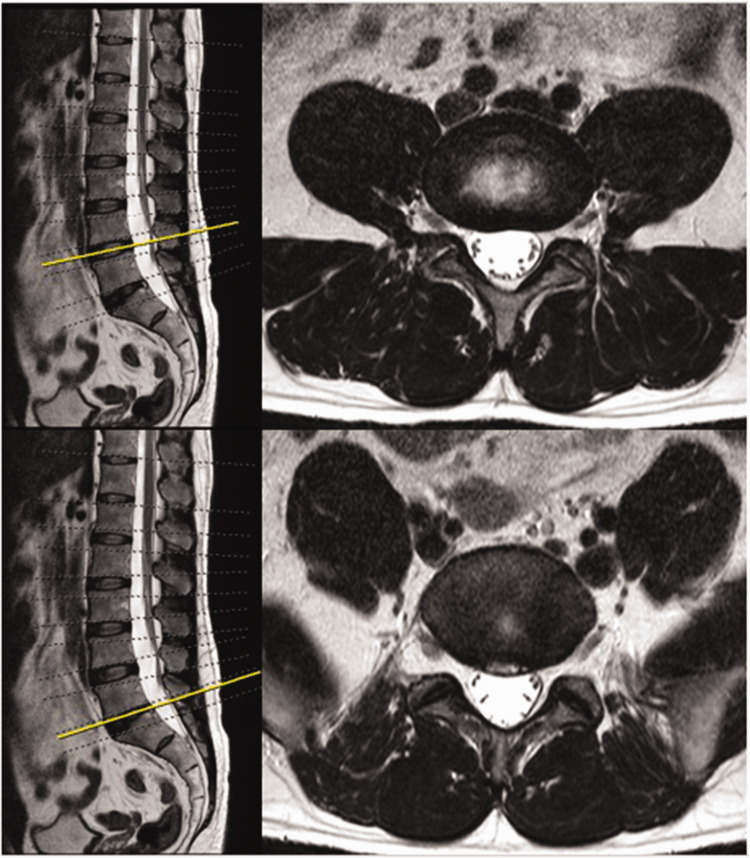
Abstract
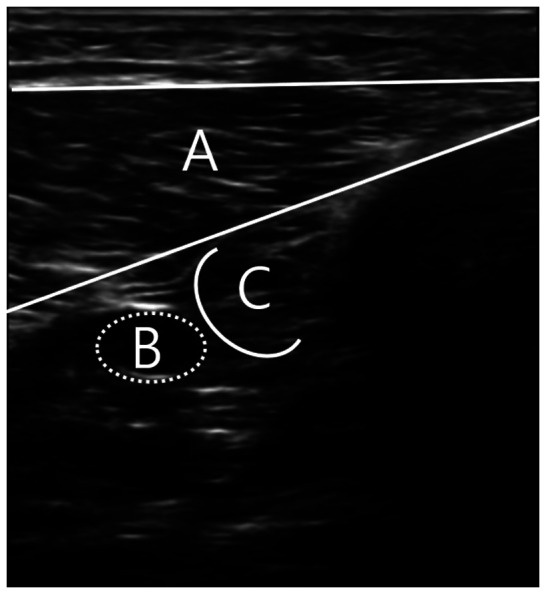
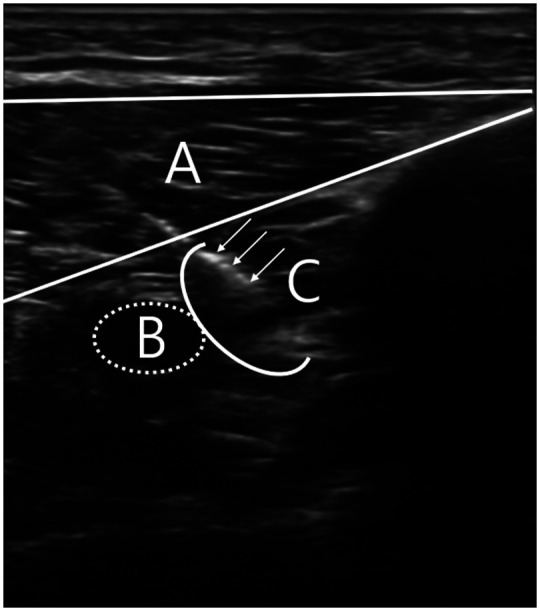
Continuous fasciculation that occurs without weakness is referred to as benign fasciculation. Although generally considered non-threatening, cases that persist can significantly impact an individual's quality of life. This study presents a case of a male patient in his 30s experiencing unyielding twitching localized to the sole of his left foot for 2 years. His medical history was devoid of any notable neuromuscular diseases. Results from electromyography testing were also normal for all parameters. Attempts with pharmacological intervention did not yield any improvement of his condition. Although a nerve block targeting the left tibial nerve managed to reduce the severity of the twitching, it failed to decrease its frequency or provide a lasting solution. In search of a more effective treatment, botulinum toxin was administered via ultrasound guidance into the flexor hallucis and digitorum longus muscles. This approach resulted in a marked reduction in both the frequency and severity of the twitching, enabling the patient to resume his daily activities and achieve restful sleep without experiencing any adverse effects. Through this case, the efficacy of botulinum toxin injections as a treatment for intractable twitching is underscored, offering valuable insights into potential therapeutic strategies for similar clinical presentations.
Keywords: Botulinum toxin; Muscle; fasciculation; skeletal.
Conflict of interest statement
Declaration of conflicting interestThe authors declare that there are no conflicts of interest.
Figures

References
-
- Walter TR. Benign fasciculation syndrome. J Pain Palliat Care Pharmacother 2015; 29: 54–55. 20150220. DOI: 10.3109/15360288.2014.997856. - PubMed
-
- de Carvalho M, Swash M. Cramps, muscle pain, and fasciculations: not always benign? Neurology 2004; 63: 721–723. DOI: 10.1212/01.wnl.0000134609.56166.15. - PubMed
-
- Blexrud MD, Windebank AJ, Daube JR. Long-term follow-up of 121 patients with benign fasciculations. Ann Neurol 1993; 34: 622–625. DOI: 10.1002/ana.410340419. - PubMed
-
- Desai J, Swash M. Fasciculations: what do we know of their significance? J Neurol Sci 1997; 152: S43–S48. DOI: 10.1016/s0022-510x(97)00243-8. - PubMed
-
- Reed DM, Kurland LT. Muscle fasciculations in a healthy population. Arch Neurol 1963; 9: 363–367. DOI: 10.1001/archneur.1963.00460100051005. - PubMed
Publication types
MeSH terms
Substances
LinkOut - more resources
Full Text Sources
Medical
