Biological characteristics of marine Streptomyces SK3 and optimization of cultivation conditions for production of compounds against Vibiriosis pathogen isolated from cultured white shrimp (Litopenaeus vannamei)
- PMID: 39346038
- PMCID: PMC11430173
- DOI: 10.7717/peerj.18053
Biological characteristics of marine Streptomyces SK3 and optimization of cultivation conditions for production of compounds against Vibiriosis pathogen isolated from cultured white shrimp (Litopenaeus vannamei)
Abstract
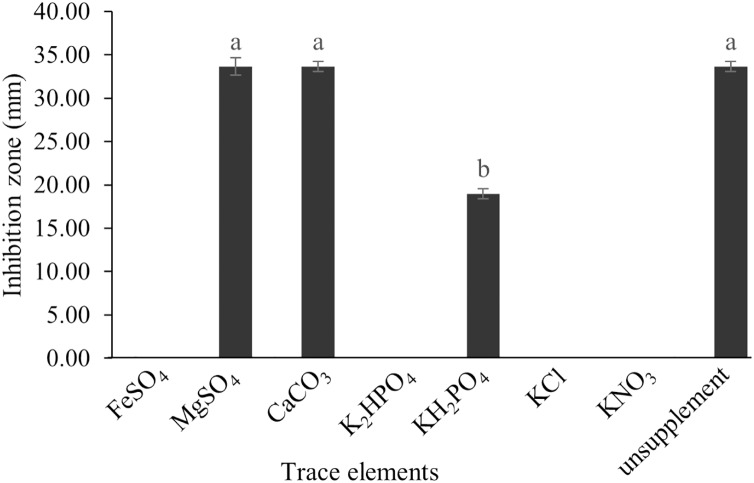
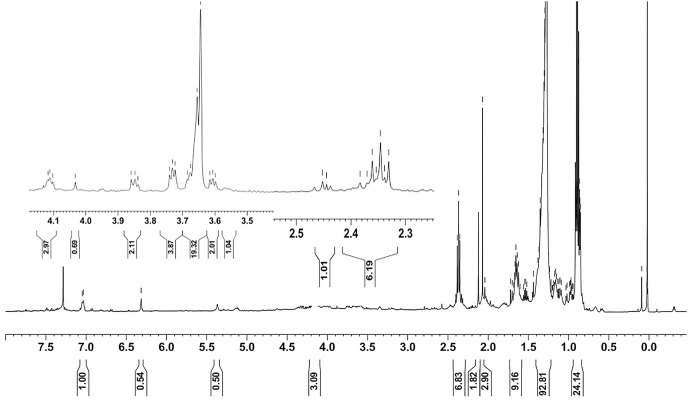
Antibiotic resistance in shrimp farms has emerged as an extremely serious situation worldwide. The main aim of this study was to optimize the cultural conditions for producing new antibiotic agents from marine Streptomyces species. Streptomyces SK3 was isolated from marine sediment and was identified by its 16S rDNA as well as biochemical characteristics. This microbe produced the highest concentration of bioactive secondary metabolites (BSMs) when cultured in YM medium (YM/2). It produced the maximum total protein (41.8 ± 6.36 mg/ml) during the late lag phase period. The optimum incubation temperature was recorded at 30 °C; BSMs were not produced at ≤10 °C within an incubation period of 3-4 days. The suitable agitation speed was found to be 200 rpm with pH 7.00. The proper carbon, nitrogen, and trace elements supplementation consisted of starch, malt extract, calcium carbonate (CaCO3), and magnesium sulfate (MgSO4). The ethyl acetate extract was found to act strongly against three vibriosis pathogens, Vibrio harveyi, Vibrio parahaemolyticus, and Vibrio vunificus, as indicated by the inhibition zones at 34.5, 35.4, and 34.3 mm, respectively. The extract showed the strongest anti-V. harveyi activity, as indicated by minimum inhibitory concentration (MIC) and minimum bactericidal concentration (MBC) values of 0.101 ± 0.02 and 0.610 ± 0.04 mg/ml, respectively. Basic chemical investigation of the crude extract using thin layer chromatography (TLC), bioautography, liquid chromatography tandem mass spectrometry (LC‒MS/MS), Fourier transform infrared spectroscopy (FTIR), and proton nuclear magnetic resonance (1H-NMR) revealed that the active components were the terpenoid and steroid groups of compounds. They showed carboxylic acid and ester functions in their molecules.
Keywords: Anti-vibrio spp; Characterization; Culture; Litopenaeus vannamei; Marine streptomyces; Optimization.
© 2024 Khaochamnan et al.
Conflict of interest statement
The authors declare that they have no competing interests.
Figures





References
-
- Akond MA, Jahan MN, Sultana N, Rahman F. Effect of temperature, pH and NaCl on the isolates of actinomycetes from straw and compost samples from Savar, Dhaka, Bangladesh. American Journal of Microbiology and Immunology. 2016;1:10–15.
-
- Al-Ansari M, Kalaiyarasi M, Almalki MA, Vijayaraghavan P. Optimization of medium components for the production of antimicrobial and anticancer secondary metabolites from Streptomyces sp. AS11 isolated from the marine environment. Journal of King Saud University-Science. 2020;32(3):1993–1998. doi: 10.1016/j.jksus.2020.02.005. - DOI
-
- AL-Ghazali LH, Omran R. Optimization production conditions of antibacterial metabolite from Streptomyces sp. Asian Journal of Pharmaceutical and Clinical Research. 2017;10(9):386–391. doi: 10.22159/ajpcr.2017.v10i9.19243. - DOI
-
- Alenazi AM, Anwar Y, Abo-Aba SEM, Bataweel MN. A review on Actinomycetes distribution, isolation, and their medical applications. Novel Research in Microbiology Journal. 2023;7(2):1918–1931. doi: 10.21608/nrmj.2023.294180. - DOI
MeSH terms
Substances
LinkOut - more resources
Full Text Sources
Medical
Miscellaneous