


Amyloid-β in Alzheimer's disease: Structure, toxicity, distribution, treatment, and prospects
- PMID: 39346788
- PMCID: PMC11427815
- DOI: 10.1002/ibra.12155
Amyloid-β in Alzheimer's disease: Structure, toxicity, distribution, treatment, and prospects
Abstract
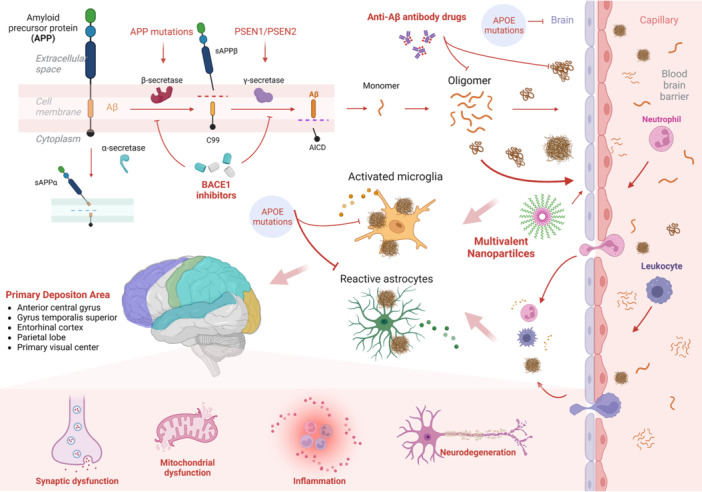
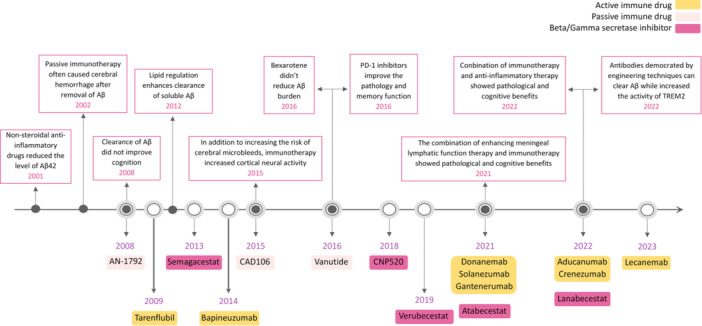
Amyloid-β (Aβ) is a pivotal biomarker in Alzheimer's disease (AD), attracting considerable attention from numerous researchers. There is uncertainty regarding whether clearing Aβ is beneficial or harmful to cognitive function. This question has been a central topic of research, especially given the lack of success in developing Aβ-targeted drugs for AD. However, with the Food and Drug Administration's approval of Lecanemab as the first anti-Aβ medication in July 2023, there is a significant shift in perspective on the potential of Aβ as a therapeutic target for AD. In light of this advancement, this review aims to illustrate and consolidate the molecular structural attributes and pathological ramifications of Aβ. Furthermore, it elucidates the determinants influencing its expression levels while delineating the gamut of extant Aβ-targeted pharmacotherapies that have been subjected to clinical or preclinical evaluation. Subsequently, a comprehensive analysis is presented, dissecting the research landscape of Aβ across the domains above, culminating in the presentation of informed perspectives. Concluding reflections contemplate the supplementary advantages conferred by nanoparticle constructs, conceptualized within the framework of multivalent theory, within the milieu of AD diagnosis and therapeutic intervention, supplementing conventional modalities.
Keywords: Alzheimer's disease; Aβ; anti‐Aβ drugs; multivalency; nanodrugs.
© 2024 The Author(s). Ibrain published by Affiliated Hospital of Zunyi Medical University (AHZMU) and Wiley‐VCH GmbH.
Conflict of interest statement
Prof. Xiaohe Tian and Giuseppe Battaglia are the associated editors of Ibrain. They have fully revealed these interests, and have worked out a plan for approval to manage any potential conflicts caused by their participation. Other authors have no conflict of interest to disclose. Xiao‐He Tian and Giuseppe Battaglia were excluded from all the editorial decisions.
Figures
References
Publication types
LinkOut - more resources
Full Text Sources