


Exogenous strigolactones alleviate low-temperature stress in peppers seedlings by reducing the degree of photoinhibition
- PMID: 39349999
- PMCID: PMC11441246
- DOI: 10.1186/s12870-024-05622-3
Exogenous strigolactones alleviate low-temperature stress in peppers seedlings by reducing the degree of photoinhibition
Abstract
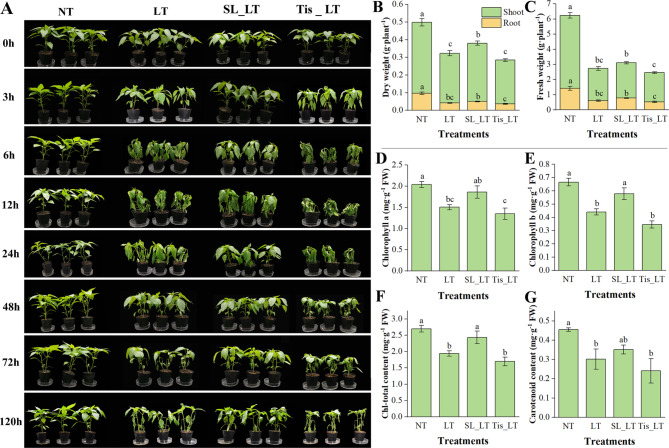
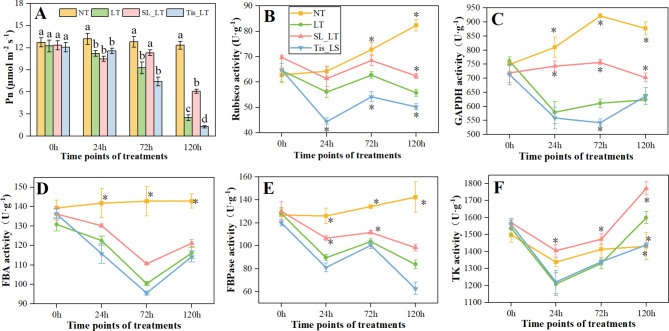
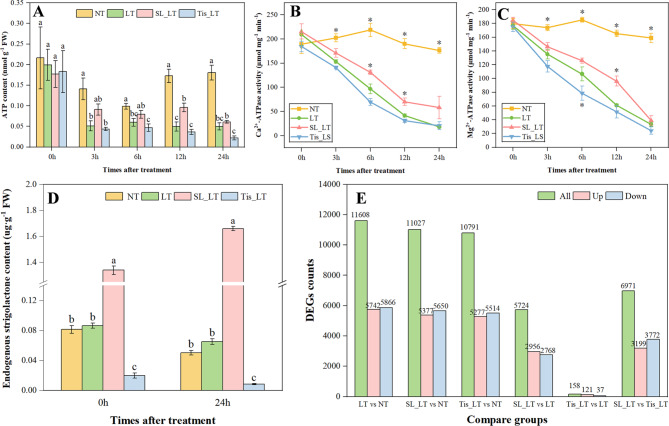
Background: The growth and yield of pepper, a typical temperature-loving vegetable, are limited by low-temperature environments. Using low-temperature sensitive 'Hangjiao No. 4' (Capsicum annuum L.) as experimental material, this study analyzed the changes in plant growth and photosynthesis under different treatments: normal control (NT), low-temperature stress alone (LT), low-temperature stress in strigolactone pretreated plants (SL_LT), and low-temperature stress in strigolactone biosynthesis inhibitor pretreated plants (Tis_LT).
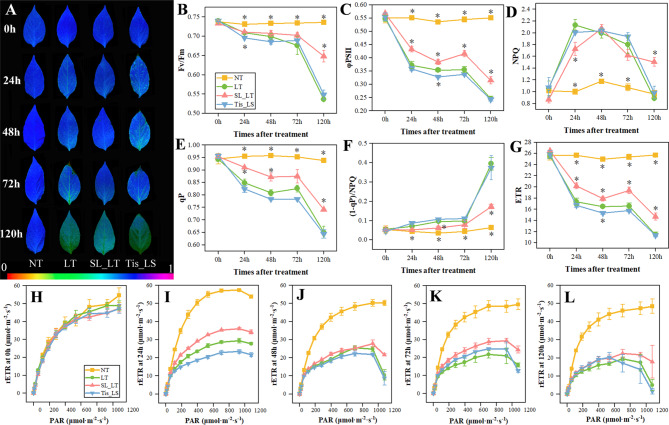
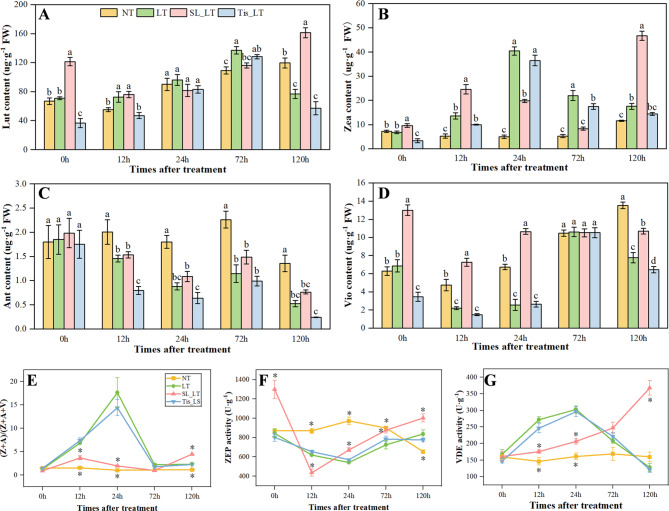
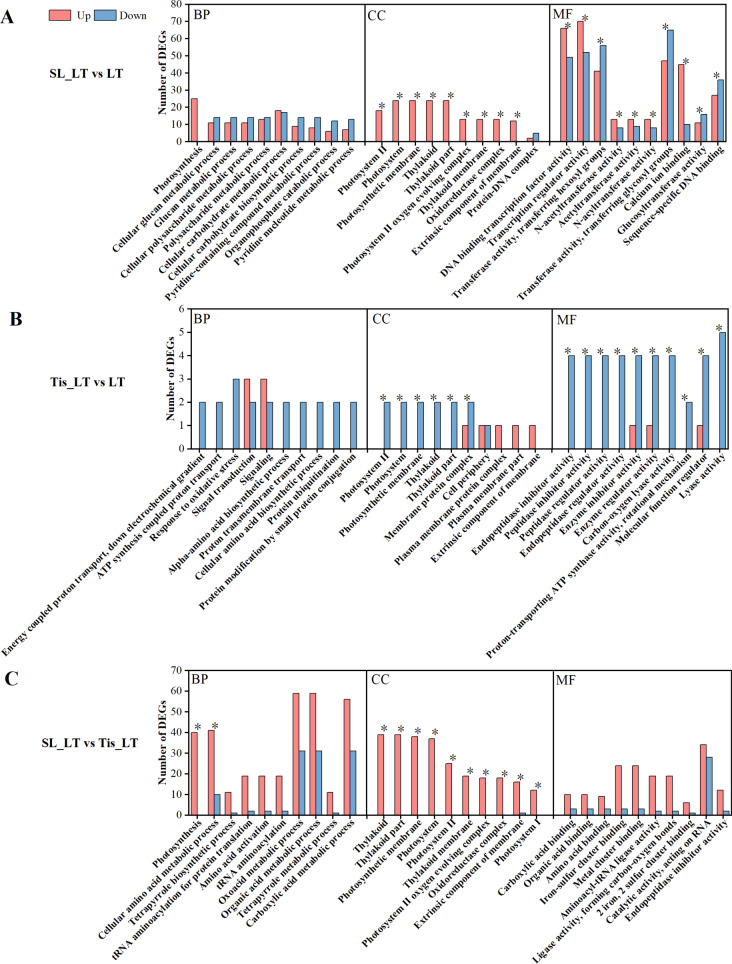
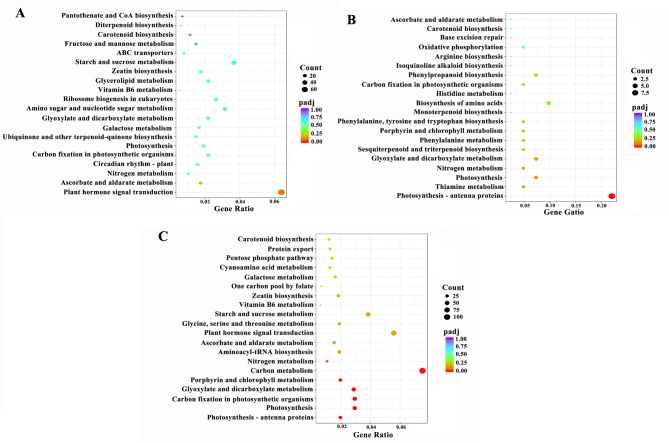
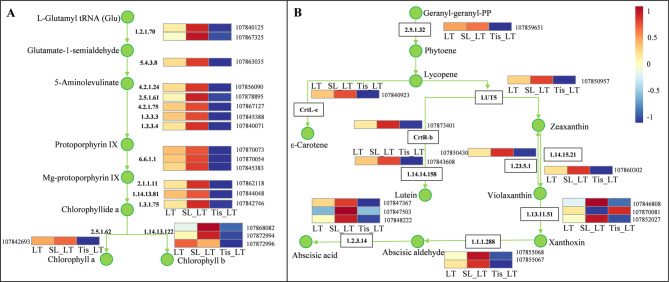
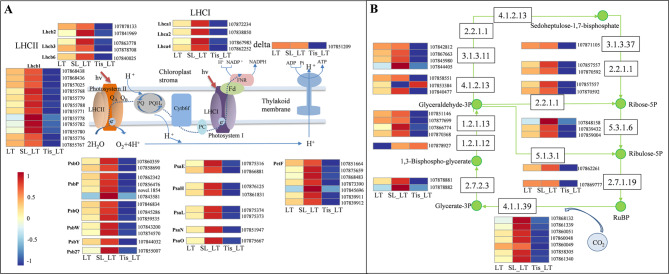
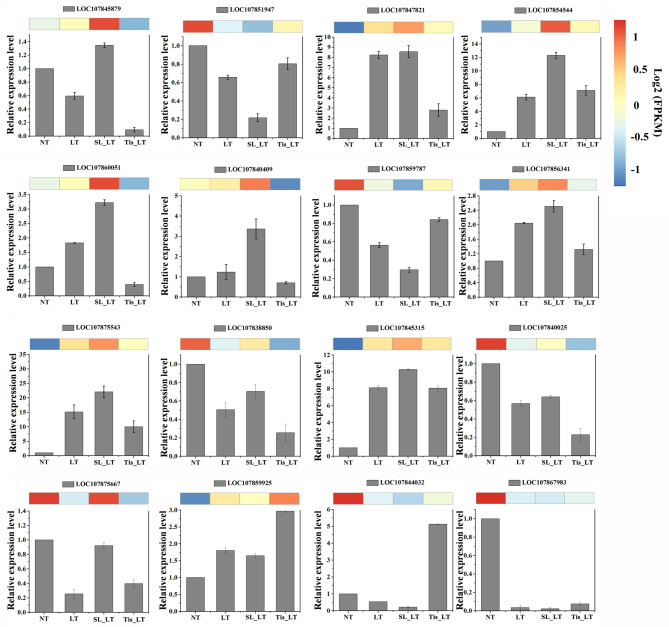
Results: SL pretreatment increased the net photosynthetic rate (Pn) and PSII actual photochemical efficiency (φPSII), reducing the inhibition of LT on the growth of pepper by 17.44% (dry weight of shoot). Due to promoting the accumulation of carotenoids, such as lutein, and the de-epoxidation of the xanthophyll cycle [(Z + A)/(Z + A + V)] by strigolactone after long-term low-temperature stress (120 h), non-photochemical quenching (NPQ) of pepper was increased to reduce the excess excitation energy [(1-qP)/NPQ] and the photoinhibition degree (Fv/Fm) of pepper seedlings under long-term low-temperature stress was alleviated. Twelve cDNA libraries were constructed from pepper leaves by transcriptome sequencing. There were 8776 differentially expressed genes (DEGs), including 4473 (51.0%) upregulated and 4303 (49.0%) downregulated genes. Gene ontology pathway annotation showed that based on LT, the DEGs of SL_LT and Tis_LT were significantly enriched in the cellular component, which is mainly related to the photosystem and thylakoids. Further analysis of the porphyrin and chlorophyll biosynthesis, carotenoid biosynthesis, photosynthesis-antenna protein, and photosynthetic metabolic pathways and the Calvin cycle under low-temperature stress highlighted 18, 15, 21, 29, and 31 DEGs for further study, which were almost all highly expressed under SL_LT treatment and moderately expressed under LT treatment, whereas Tis_LT showed low expression.
Conclusion: The positive regulatory effect of SLs on the low-temperature tolerance of pepper seedlings was confirmed. This study provided new insights for the development of temperature-tolerant pepper lines through breeding programs.
Keywords: Chilling stress; Pepper; Photosystem; RNA-seq; Strigolactones; Xanthophyll cycle.
© 2024. The Author(s).
Conflict of interest statement
The authors declare no competing interests.
Figures
References
-
- John R, Anjum NA, Sopory SK, Akram NA, Ashraf M. Some key physiological and molecular processes of cold acclimation. Biol Plant. 2016;60:603–18.
-
- Li J, Yang P, Gan Y, Yu J, Xie J. Brassinosteroid alleviates chilling-induced oxidative stress in pepper by enhancing antioxidation systems and maintenance of photosystem II. Acta Physiol Plant. 2015;(37):1–11.
-
- Korkmaz A, Korkmaz Y, Demirkıran AR. Enhancing chilling stress tolerance of pepper seedlings by exogenous application of 5-aminolevulinic acid. Environ Exp Bot. 2010;67(3):495–501.
-
- Al-Babili S, Bouwmeester HJ. Strigolactones, a novel carotenoid-derived plant hormone. Annu Rev Plant Biol. 2015;66:161–86. - PubMed
MeSH terms
Substances
Grants and funding
LinkOut - more resources
Full Text Sources
Research Materials
