


Coccoloba uvifera L. associated with Scleroderma Bermudense Coker: a pantropical ectomycorrhizal symbiosis used in restoring of degraded coastal sand dunes
- PMID: 39367926
- PMCID: PMC11604829
- DOI: 10.1007/s00572-024-01170-8
Coccoloba uvifera L. associated with Scleroderma Bermudense Coker: a pantropical ectomycorrhizal symbiosis used in restoring of degraded coastal sand dunes
Abstract
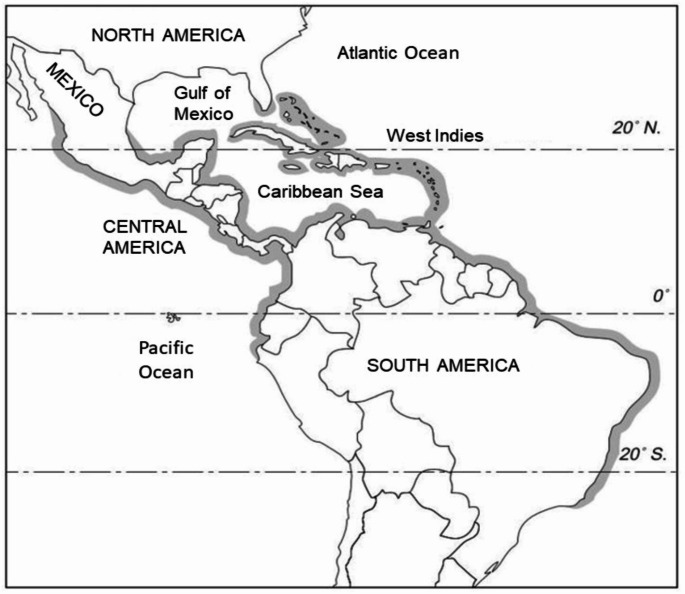
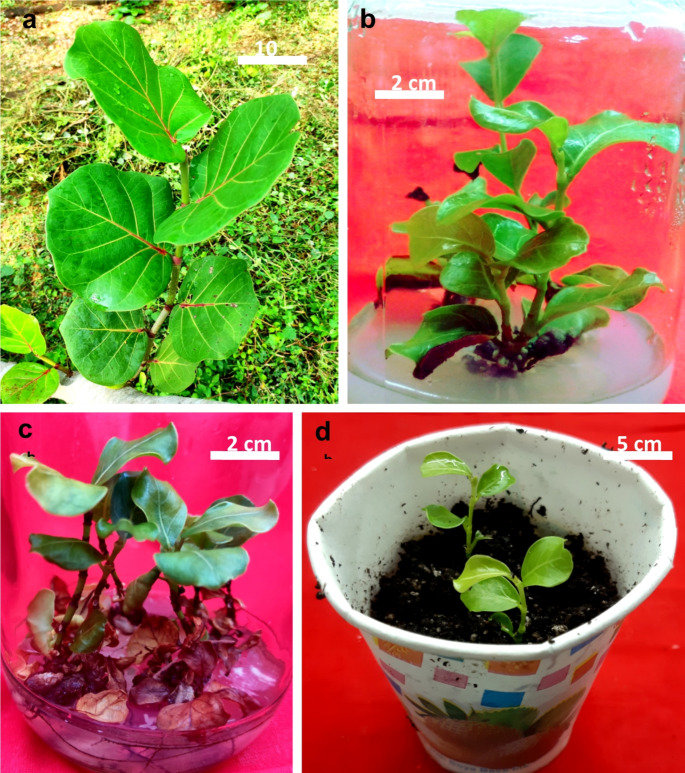
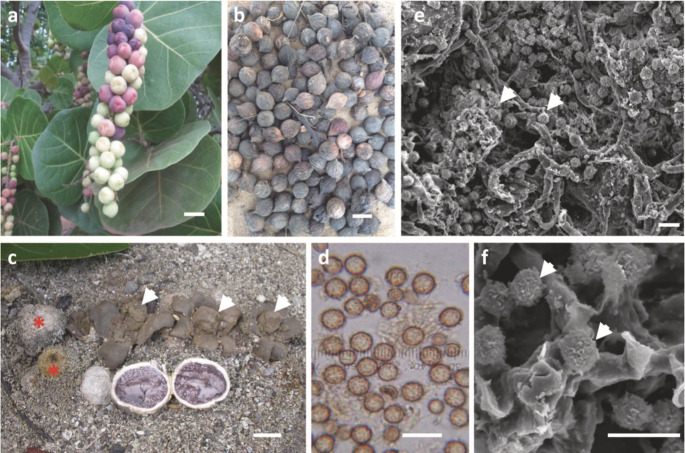
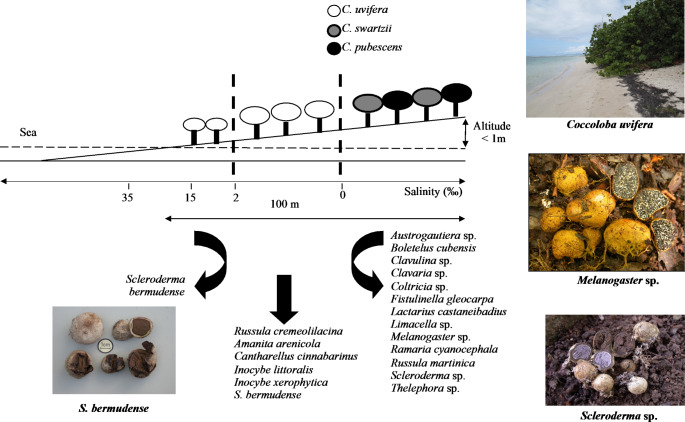
Coccoloba uvifera L. (Polygonacaeae), named also seagrape, is an ectomycorrhizal (ECM) Caribbean beach tree, introduced pantropically for stabilizing coastal soils and producing edible fruits. This review covers the pantropical distribution and micropropagation of seagrape as well as genetic diversity, functional traits and use of ECM symbioses in response to salinity, both in its native regions and areas where it has been introduced. The ECM fungal diversity associated with seagrape was found to be relatively low in its region of origin, with Scleroderma bermudense Coker being the predominant fungal species. In regions of introduction, seagrape predominantly associated with Scleroderma species, whereas S. bermudense was exclusively identified in Réunion and Senegal. The introduction of S. bermudense is likely through spores adhering to the seed coats of seagrape, suggesting a vertical transmission of ECM colonization in seagrape by S. bermudense. This ECM fungus demonstrated its capacity to enhance salt tolerance in seagrape seedlings by reducing Na concentration and increasing K and Ca levels, consequently promoting higher K/Na and Ca/Na ratios in the tissues of ECM seedlings vs. non-ECM plants in nursery conditions. Moreover, the ECM symbiosis positively influenced growth, photosynthetic and transpiration rates, chlorophyll fluorescence and content, stomatal conductance, intercellular CO2, and water status, which improved the performance of ECM seagrape exposed to salt stress in planting conditions. The standardization of seagrape micropropagation emerges as a crucial tool for propagating homogeneous plant material in nursery and planting conditions. This review also explores the use of the ECM symbiosis between seagrape and S. bermudense as a strategy for restoring degraded coastal ecosystems in the Caribbean, Indian Ocean, and West African regions.
Keywords: Scleroderma bermudense; Genetic diversity; Micropropagation; Restoration; Salinity tolerance; Seagrape.
© 2024. The Author(s).
Conflict of interest statement
Declarations. Competing interests: The authors declare no competing interests.
Figures
References
-
- Abdel Hakim F, Gad HA, Ali Radwan R, Ayoub N, El-Shazly M (2019) Biological and phytochemical review on the genus Coccoloba (Polygonaceae). Archives Pharm Sci Ain Shams Univ 3(2):180–194. 10.21608/aps.2019.17343.1013
-
- Alexander T, Parker D (1994) The best of the growing edge. New Moon Publishing Inc, p 88
-
- Álvarez J (2012) Caracterización de dos ectomicorrizas asociadas a Coccoloba uvifera L. e identificación del micobionte con base en la región ITS del ADNr, en una población de la comunidad La Ribera, Tampico Alto, Veracruz. [Tesis de Doctorado, Universidad Veracruzana]
-
- ANCORIM (Red Atlántica para la Gestión de los Riesgos Costeros) (2017) Riesgos costeros: cómo reconocerlos y enfrentarse a ellos
-
- Ashraf M, Harris PJ (2013) Photosynthesis under stressful environments: an overview. Photosynthetica 51:163–190. 10.1007/s11099-013-0021-6
Publication types
MeSH terms
LinkOut - more resources
Full Text Sources
