


To boldly go where no microRNAs have gone before: spaceflight impact on risk for small-for-gestational-age infants
- PMID: 39369042
- PMCID: PMC11455966
- DOI: 10.1038/s42003-024-06944-6
To boldly go where no microRNAs have gone before: spaceflight impact on risk for small-for-gestational-age infants
Erratum in
-
Author Correction: To boldly go where no microRNAs have gone before: spaceflight impact on risk for small-for-gestational-age infants.Commun Biol. 2024 Oct 16;7(1):1339. doi: 10.1038/s42003-024-07022-7. Commun Biol. 2024. PMID: 39414932 Free PMC article. No abstract available.
Abstract
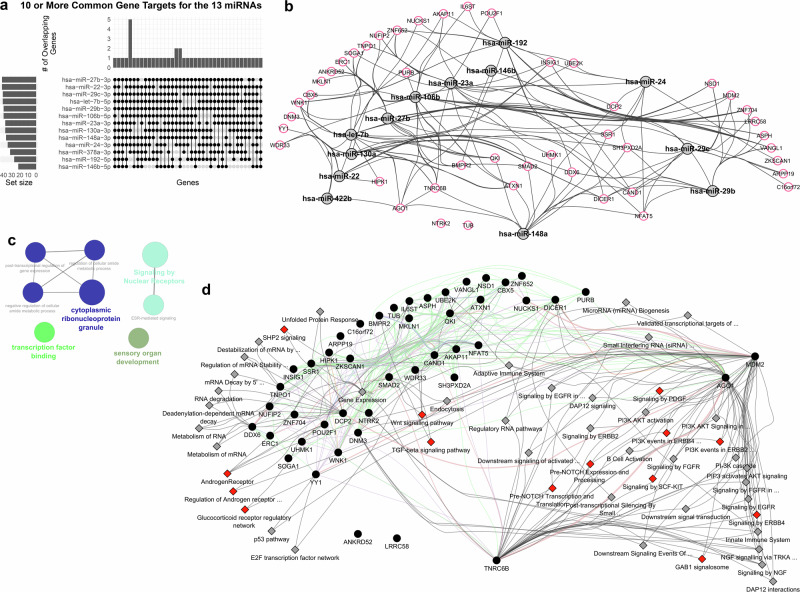
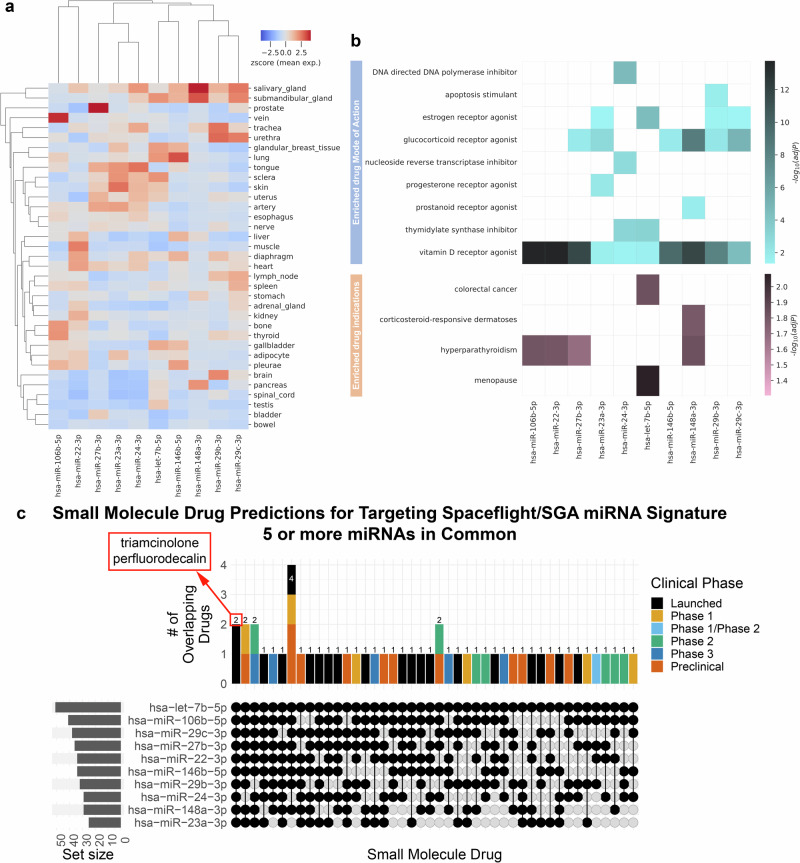
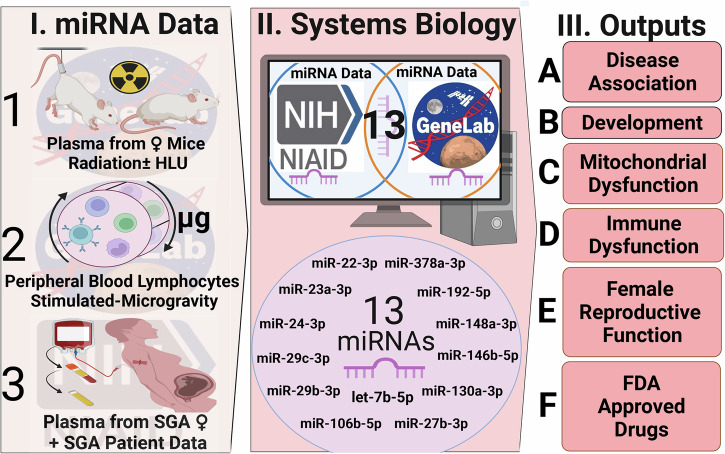
In the era of renewed space exploration, comprehending the effects of the space environment on human health, particularly for deep space missions, is crucial. While extensive research exists on the impacts of spaceflight, there is a gap regarding female reproductive risks. We hypothesize that space stressors could have enduring effects on female health, potentially increasing risks for future pregnancies upon return to Earth, particularly related to small-for-gestational-age (SGA) fetuses. To address this, we identify a shared microRNA (miRNA) signature between SGA and the space environment, conserved across humans and mice. These miRNAs target genes and pathways relevant to diseases and development. Employing a machine learning approach, we identify potential FDA-approved drugs to mitigate these risks, including estrogen and progesterone receptor antagonists, vitamin D receptor antagonists, and DNA polymerase inhibitors. This study underscores potential pregnancy-related health risks for female astronauts and proposes pharmaceutical interventions to counteract the impact of space travel on female health.
© 2024. The Author(s).
Conflict of interest statement
The authors declare no competing interests.
Figures
References
MeSH terms
Substances
Grants and funding
LinkOut - more resources
Full Text Sources
Research Materials
Miscellaneous
