


IMPACT OF REAL-LIFE ENVIRONMENTAL EXPOSURES ON REPRODUCTION: Rodent reproductive behavior among males and females after exposure to endocrine-disrupting chemicals
- PMID: 39374114
- PMCID: PMC11655000
- DOI: 10.1530/REP-24-0145
IMPACT OF REAL-LIFE ENVIRONMENTAL EXPOSURES ON REPRODUCTION: Rodent reproductive behavior among males and females after exposure to endocrine-disrupting chemicals
Abstract
In brief: The rodent reproductive behavioral control column of the hypothalamus and the hypothalamic-pituitary-gonadal (HPG) axis are critical systems that regulate copulatory behaviors in both males and females. We review how endocrine-disrupting chemicals (EDCs), specifically phthalates, bisphenol A, and chemical mixtures, dysregulate appetitive and consummatory copulatory behaviors and their neuroendocrine substrates, using mouse and rodent models.
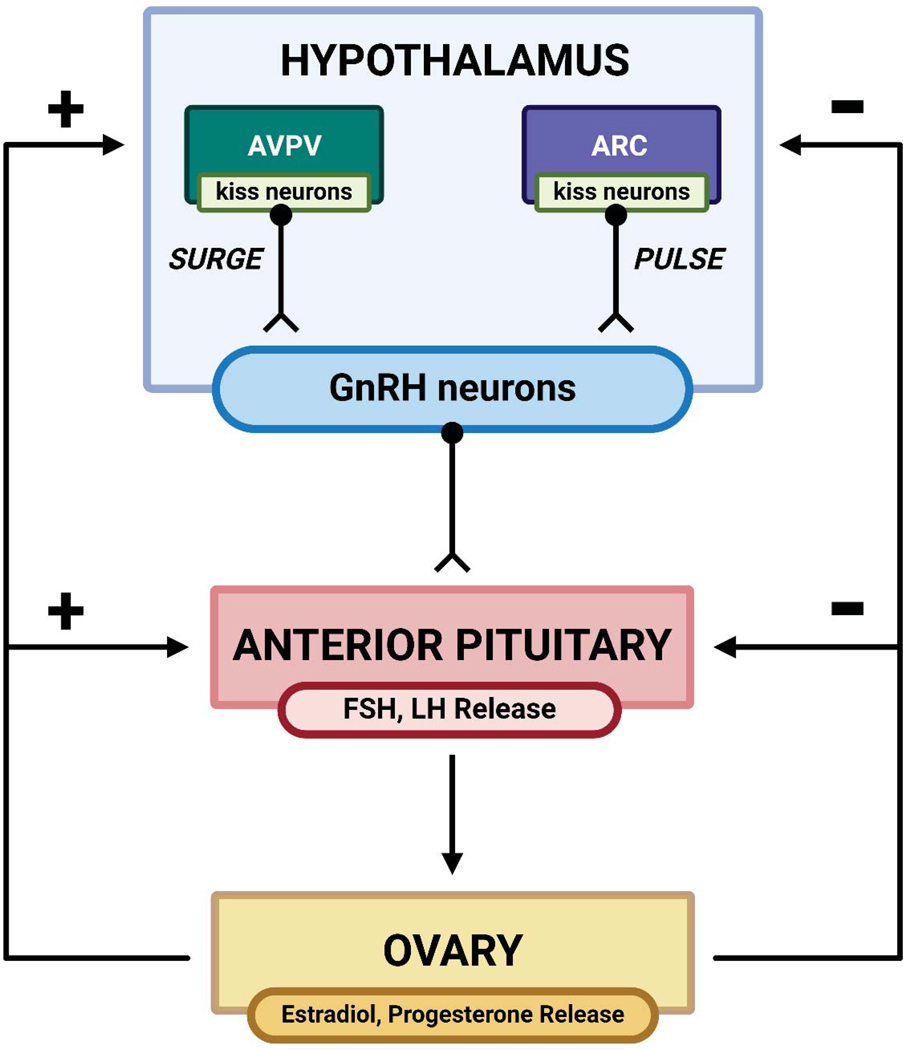
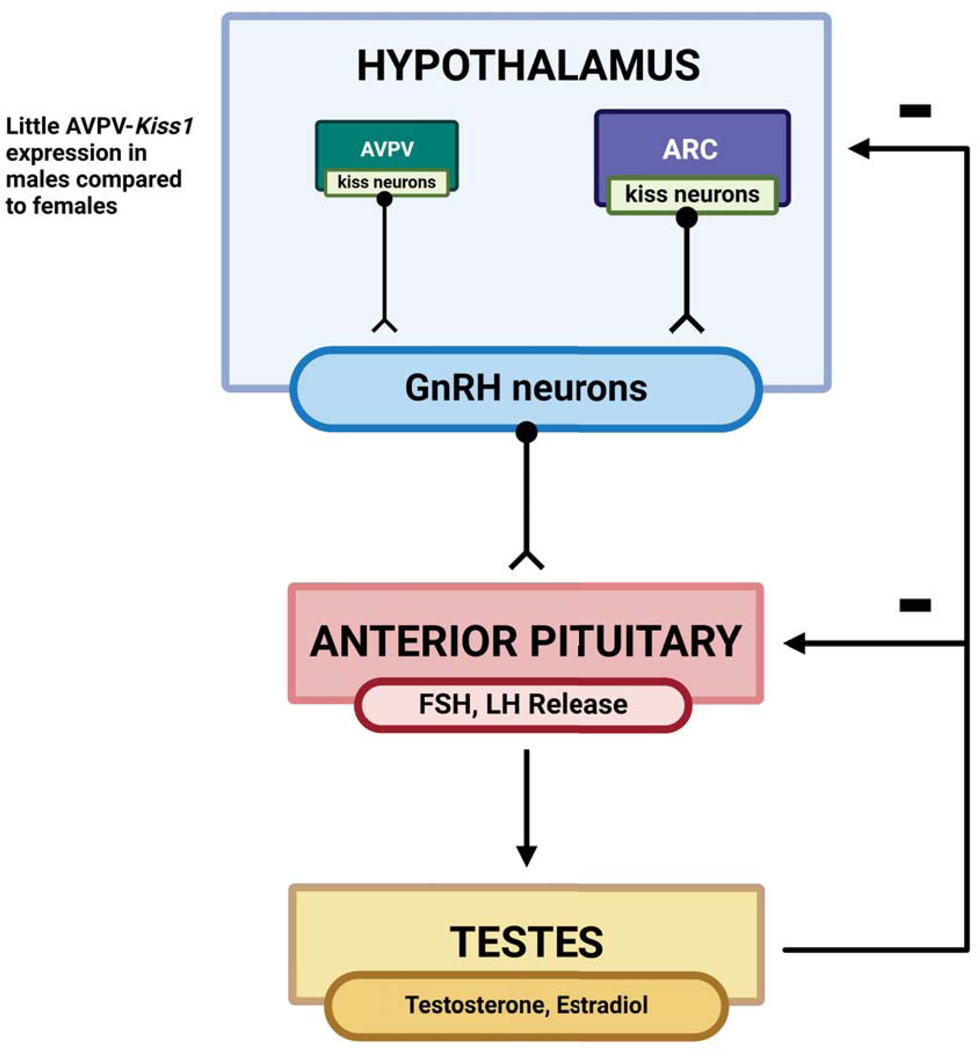
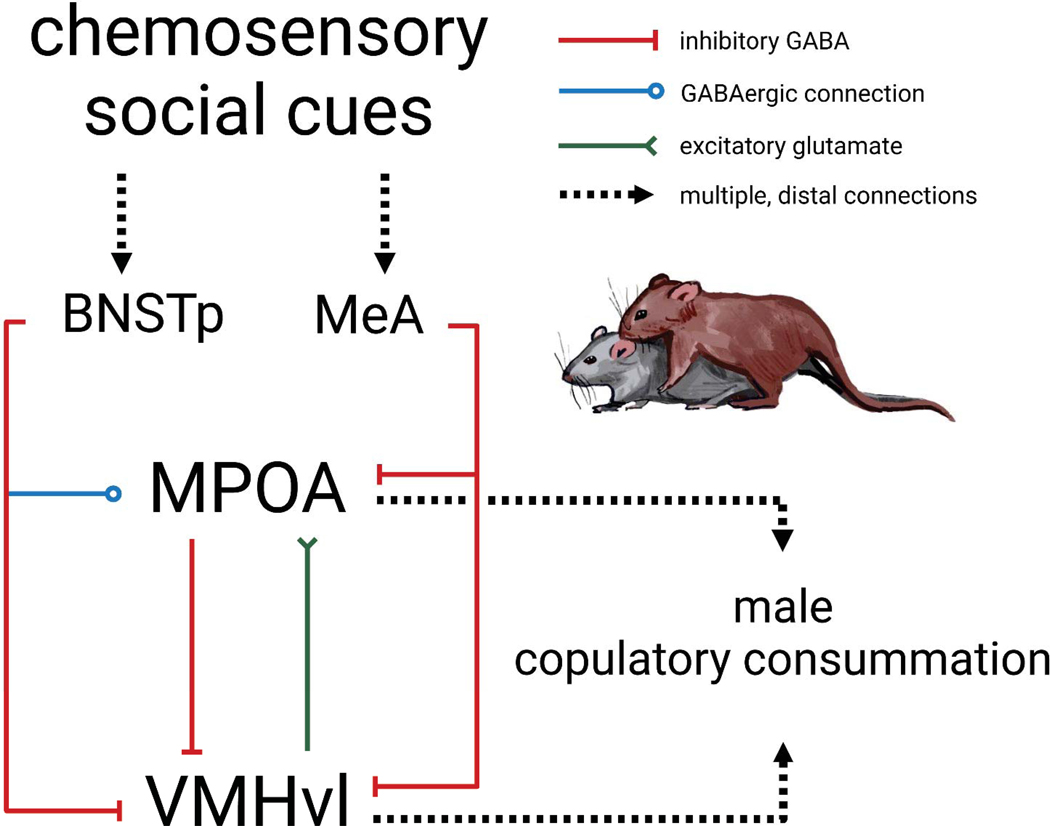
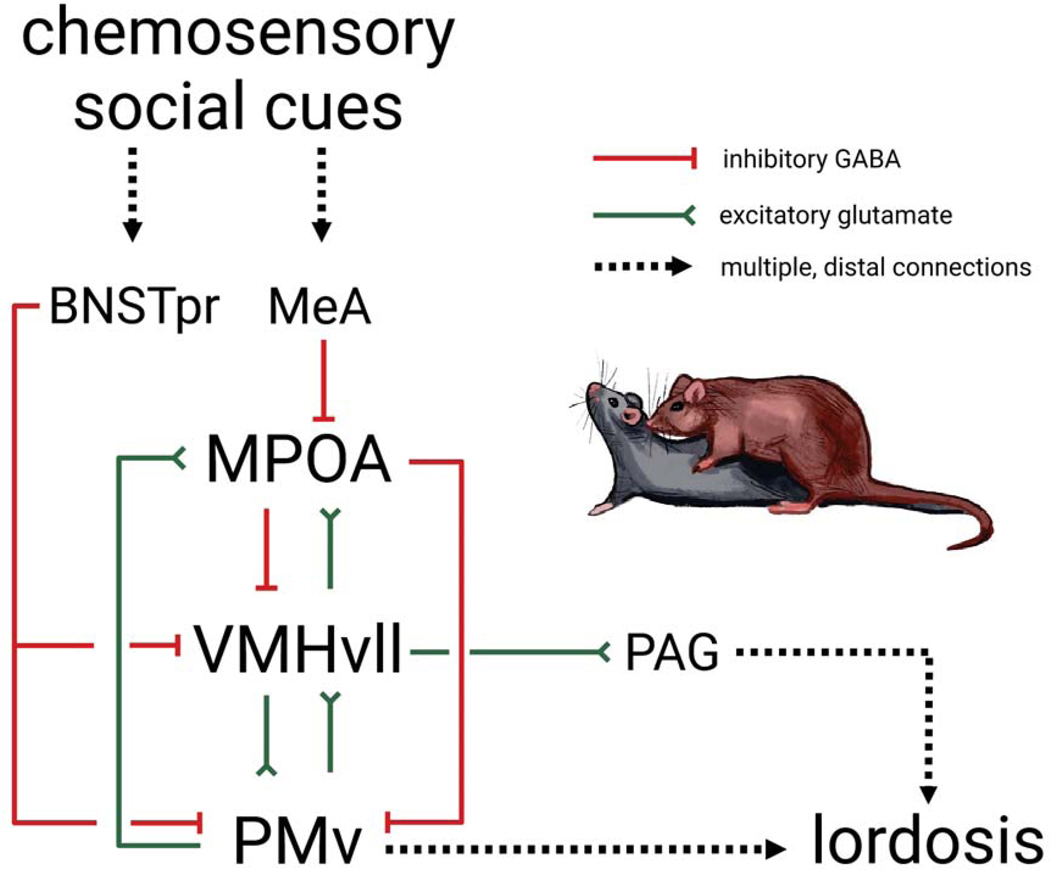
Abstract: Sexual reproduction - from both physiological and behavioral perspectives - is dependent upon appropriate connections between a diverse, hormone-modulated network of neural regions. Importantly, these substrates are regulated by hormones across the lifespan from early development to adulthood, making them targets of EDCs. Rodents, such as mice and rats, are invaluable to the characterization of EDCs because of their sex-specific, stereotyped appetitive and consummatory reproductive behaviors. Phthalates, bisphenol A (BPA), and EDC mixtures pose a salient risk to the health of humans, wildlife, and livestock because these synthetic compounds are ubiquitous due to their widespread use in the mass production of consumer and industrial goods. This review outlines how the HPG axis regulates male and female sexual behaviors, and how phthalates and BPA can perturb appetitive and consummatory behaviors and impact neural substrates that modulate reproductive behavior. We will then discuss how to progress toward a clearer understanding of the reproductive and neurobiological changes that occur due to EDC exposure.
Conflict of interest statement
Figures
References
-
- Adam N, Brusamonti L, & Mhaouty-Kodja S (2021). Exposure of Adult Female Mice to Low Doses of di(2-ethylhexyl) Phthalate Alone or in an Environmental Phthalate Mixture: Evaluation of Reproductive Behavior and Underlying Neural Mechanisms. Environmental Health Perspectives, 129(1), 017008. 10.1289/EHP7662 - DOI - PMC - PubMed
-
- Adewale HB, Jefferson WN, Newbold RR, & Patisaul HB (2009). Neonatal Bisphenol-A Exposure Alters Rat Reproductive Development and Ovarian Morphology Without Impairing Activation of Gonadotropin-Releasing Hormone Neurons1. Biology of Reproduction, 81(4), 690–699. 10.1095/biolreprod.109.078261 - DOI - PMC - PubMed
Publication types
MeSH terms
Substances
Grants and funding
LinkOut - more resources
Full Text Sources
Research Materials
Miscellaneous
