


New advances in the treatment of intermediate and advanced hepatocellular carcinoma
- PMID: 39376988
- PMCID: PMC11456399
- DOI: 10.3389/fonc.2024.1430991
New advances in the treatment of intermediate and advanced hepatocellular carcinoma
Abstract
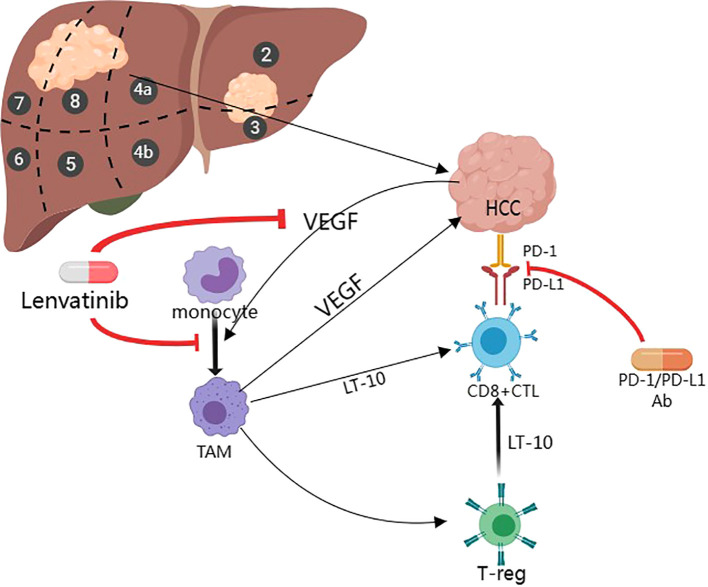
Hepatocellular carcinoma (HCC) is the most common primary liver cancer, affecting millions of people worldwide. Due to the complexity and variability of the disease, there are major challenges in the treatment of HCC in its intermediate and advanced stages; despite advances in various treatment modalities, there are still gaps in our understanding of effective therapeutic strategies. Key findings from several studies have shown that the combination of immunotherapy and targeted therapy has a synergistic anti-tumor effect, which can significantly enhance efficacy with a favorable safety profile. In addition, other studies have identified potential biomarkers of therapeutic response, such as tumor protein 53 (TP53) and CTNNB1 (encoding β-conjugated proteins), thus providing personalized treatment options for patients with intermediate and advanced hepatocellular carcinoma. The aim of this article is to review the recent advances in the treatment of intermediate and advanced HCC, especially targeted immune-combination therapy, chimeric antigen receptor T cell therapy (CAR-T cell therapy), and gene therapy for these therapeutic options that fill in the gaps in our knowledge of effective treatment strategies, providing important insights for further research and clinical practice.
Keywords: combination therapy; immunotherapy; intermediate and advanced hepatocellular carcinoma; new progress in treatment; targeted therapy.
Copyright © 2024 Zhonghao and Fan.
Conflict of interest statement
The authors declare that the research was conducted in the absence of any commercial or financial relationships that could be construed as a potential conflict of interest.
Figures
References
Publication types
LinkOut - more resources
Full Text Sources
Research Materials
Miscellaneous
