


A search for bacteria identified from cerebrospinal fluid shunt infections in previous surgical events
- PMID: 39388396
- PMCID: PMC11469614
- DOI: 10.1371/journal.pone.0311605
A search for bacteria identified from cerebrospinal fluid shunt infections in previous surgical events
Abstract
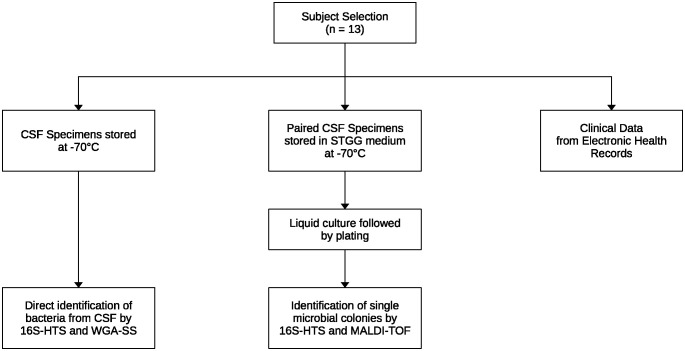
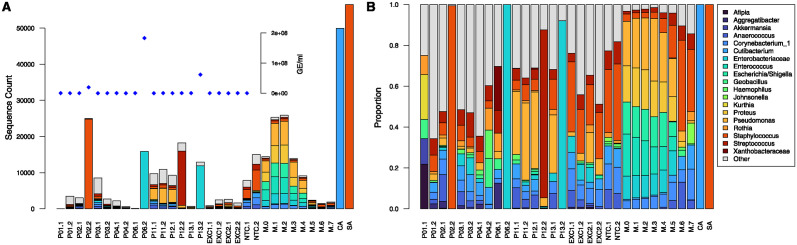
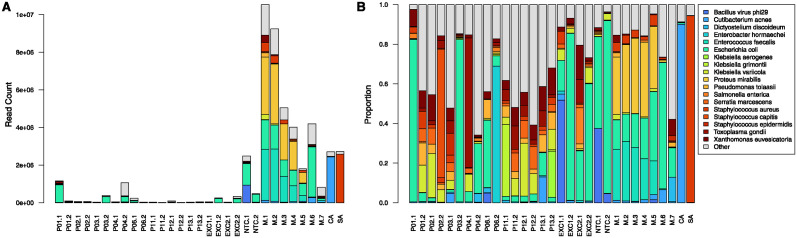
Shunt infections are a common complication when treating hydrocephalus by cerebrospinal fluid (CSF) shunt placement. The source of infecting pathogens is not well understood. One hypothesis, which we explored here, is that microorganisms persist chronically in the host long before a symptomatic infection occurs and may be detectable in surgical events preceding infection. A cohort of 13 patients was selected, for which CSF samples were available from an infection episode and from a previous surgery event, which was either an initial shunt placement or a revision. Microbiota were analyzed both directly from CSF and from isolates cultured from CSF on aerobic and anaerobic media. The detection and identification of bacteria was done with high throughput DNA sequencing methods and mass spectrometry. The presence of bacteria was confirmed in 4 infection samples, of which 2 were after initial placement and 2 after revision surgery. Taxonomic identification was consistent with clinical microbiology laboratory results. Bacteria were not detected in any of the CSF samples collected at the time of the previous surgical events. While our findings do not provide direct evidence for long-term persistence of pathogens, they suggest the need for consideration of additional source material, such as biofilm and environmental swabs, and/or the use of more sensitive and specific analytical methods.
Copyright: © 2024 Hodor et al. This is an open access article distributed under the terms of the Creative Commons Attribution License, which permits unrestricted use, distribution, and reproduction in any medium, provided the original author and source are credited.
Conflict of interest statement
The authors have declared that no competing interests exist.
Figures
References
MeSH terms
Grants and funding
LinkOut - more resources
Full Text Sources
Medical
