. 2024 Oct 10;19(10):e0311726.
doi: 10.1371/journal.pone.0311726. eCollection 2024.

SARS-CoV2 mRNA vaccine intravenous administration induces myocarditis in chronic inflammation

Affiliations

SARS-CoV2 mRNA vaccine intravenous administration induces myocarditis in chronic inflammation

Ha-Eun Jeon et al. PLoS One. .

Abstract

The current COVID-19 mRNA vaccines were developed and applied for pandemic-emergent conditions. These vaccines use a small piece of the virus's genetic material (mRNA) to stimulate an immune response against COVID-19. However, their potential effects on individuals with chronic inflammatory conditions and vaccination routes remain questionable. Therefore, we investigated the effects of mRNA vaccines in a mouse model of chronic inflammation, focusing on their cardiac toxicity and immunogenicity dependent on the injection route. mRNA vaccine intravenous administration with or without chronic inflammation exacerbated cardiac pericarditis and myocarditis; immunization induced mild inflammation and inflammatory cytokine IL-1beta and IL-6 production in the heart. Further, IV mRNA vaccination induced cardiac damage in LPS chronic inflammation, particularly serum troponin I (TnI), which dramatically increased. IV vaccine administration may induce more cardiotoxicity in chronic inflammation. These findings highlight the need for further research to understand the underlying mechanisms of mRNA vaccines with chronic inflammatory conditions dependent on injection routes.


Conflict of interest statement

The authors have declared that no competing interests exist.

Figures
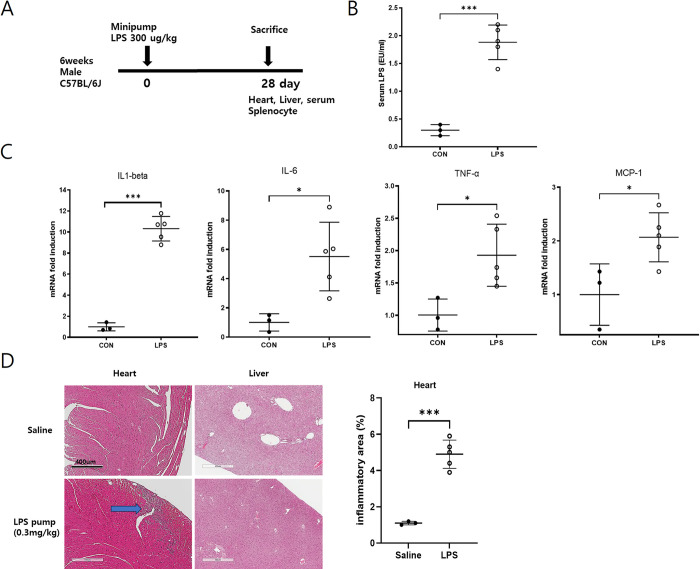
Fig 1
Fig 1. Generation of chronic inflammation mice model.
(A) Schematic diagram of animal experiment. The LPS pump was implanted for 30 days and then sacrificed to collect tissue samples for analysis. (B) The LPS concentration in the serum was measured with an ELISA kit. (C) RNA was extracted from the mice hearts of CON (n = 3) and LPS (n = 5) groups, and then RNA was applied for quantitative RT-PCR probed by IL-1beta, IL-6, TNF-alpha, and MCP-1. (D) Histologic findings showed focal inflammatory cell infiltration in LSP pump-implanted mice hearts (blue arrow). The area of inflammation was quantified from each mouse heart. All data are the mean ± standard deviation (SD) from independent experiments. *P < 0.05, **P < 0.01, and ***P < 0.001 by two-tailed Student’s t-test.
Fig 2
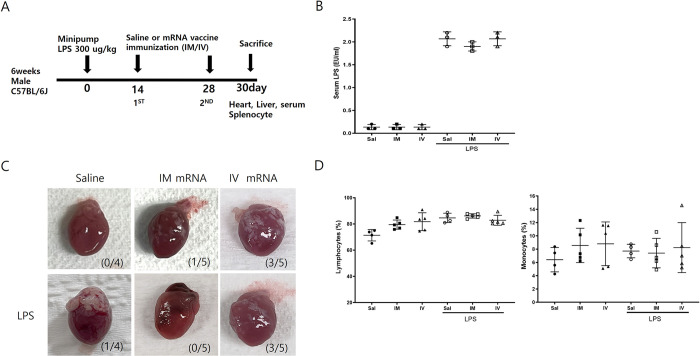
Fig 2. mRNA vaccine administration in chronic inflammation mice model.
(A) Schematic diagram of animal experiment. (B) LPS level was measured in the serum two days after boosting immunization. (C) The pericarditis was observed by the surface calcium accumulation of individual mice hearts. Intravenous mRNA vaccine administration induced three mice out of five with or without LPS chronic inflammation. (D) Peripheral blood was subjected to hematological analysis. Lymphocyte and monocyte numbers were counted and presented as blood percentages.
Fig 3
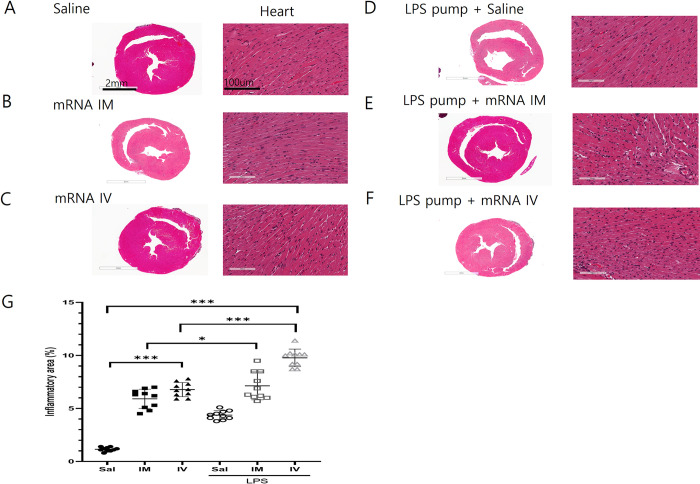
Fig 3. mRNA vaccine IV administration induces significant impacts on heart tissue, the presence of chronic inflammation.
(A-F) Heart tissue was collected two days after boosting immunization and subjected to the histological finding. The heart inflammation level was observed by hematoxylin and eosin stains. (G) The inflammatory percent area was quantified from three or four fields of each heart using NIH-ImageJ software (n = 5 in each group). All data are the mean ± SD from independent experiments. *P < 0.05, **P < 0.01, and ***P < 0.001 by two-tailed Student’s t-test.
Fig 4
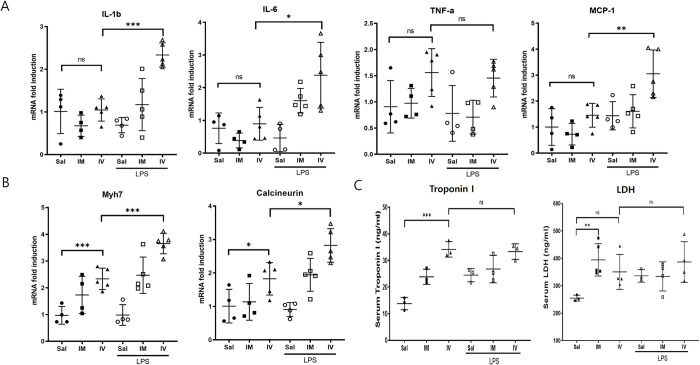
Fig 4. Effects of chronic inflammation on the different mRNA vaccines injection route.
(A-B) RNA was extracted from the mice heart of each group (n = 4 each group). Inflammation marker (IL-1beta, IL-6, TNF-alpha, and MCP-1), and heart damage marker (Myh7 and calcineurin) mRNA levels were confirmed by quantitative RT-PCR. (C) The cardiac muscle damage marker Troponin I and LDH serum levels were measured by ELISA kit following the manufacturer’s protocol. *P < 0.05 **P < 0.01 vs. saline group. All data presented are mean ± SD.
Fig 5
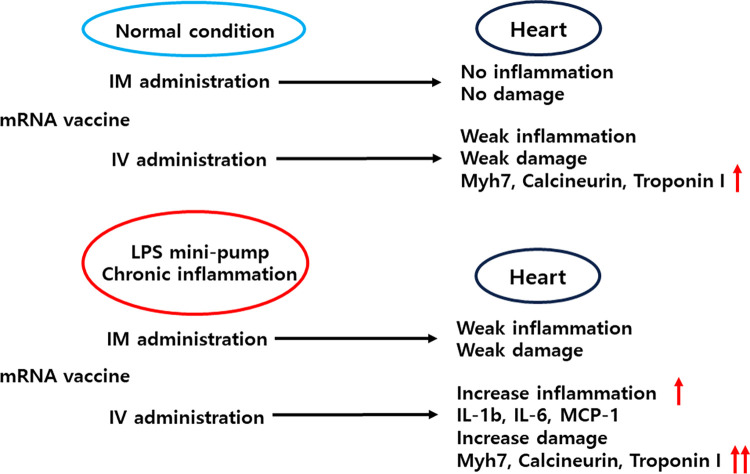
Fig 5. Key finding illustration.
IV mRNA vaccine administration induced inflammation in the LPS pump chronic inflammation model. The heart inflammatory cytokine (IL-1beta, IL-6, and MCP-1) level was increased with LPS pump. Moreover, mRNA vaccine IV injection induced myocardium damage (Myh7, Calcineurin, and Troponin I) with or without an LPS pump.

References

    1. Polack FP, Thomas SJ, Kitchin N, Absalon J, Gurtman A, Lockhart S, et al. Safety and Efficacy of the BNT162b2 mRNA Covid-19 Vaccine. N Engl J Med. 2020;383(27):2603–15. Epub 2020/12/11. doi: 10.1056/NEJMoa2034577 [pii] . - DOI - PMC - PubMed
    1. Baden LR, El Sahly HM, Essink B, Kotloff K, Frey S, Novak R, et al. Efficacy and Safety of the mRNA-1273 SARS-CoV-2 Vaccine. N Engl J Med. 2021;384(5):403–16. Epub 2020/12/31. doi: 10.1056/NEJMoa2035389 [pii] . - DOI - PMC - PubMed
    1. Lu J, Lu G, Tan S, Xia J, Xiong H, Yu X, et al. A COVID-19 mRNA vaccine encoding SARS-CoV-2 virus-like particles induces a strong antiviral-like immune response in mice. Cell Res. 2020;30(10):936–9. Epub 2020/08/18. doi: 10.1038/s41422-020-00392-7 [pii] 392 [pii] . - DOI - PMC - PubMed
    1. Oliver SE, Gargano JW, Marin M, Wallace M, Curran KG, Chamberland M, et al. The Advisory Committee on Immunization Practices’ Interim Recommendation for Use of Pfizer-BioNTech COVID-19 Vaccine—United States, December 2020. MMWR Morb Mortal Wkly Rep. 2020;69(50):1922–4. Epub 2020/12/18. doi: 10.15585/mmwr.mm6950e2 [pii] . - DOI - PMC - PubMed
    1. Ong EZ, Koh CWT, Tng DJH, Ooi JSG, Yee JX, Chew VSY, et al. RNase2 is a possible trigger of acute-on-chronic inflammation leading to mRNA vaccine-associated cardiac complication. Med. 2023;4(6):353–60 e2. Epub 2023/04/28. doi: 10.1016/j.medj.2023.04.001 [pii] . - DOI - PMC - PubMed