


Microbiota-derived acetate is associated with functionally optimal virus-specific CD8+ T cell responses to influenza virus infection via GPR43-dependent metabolic reprogramming
- PMID: 39388633
- PMCID: PMC11469431
- DOI: 10.1080/19490976.2024.2401649
Microbiota-derived acetate is associated with functionally optimal virus-specific CD8+ T cell responses to influenza virus infection via GPR43-dependent metabolic reprogramming
Abstract
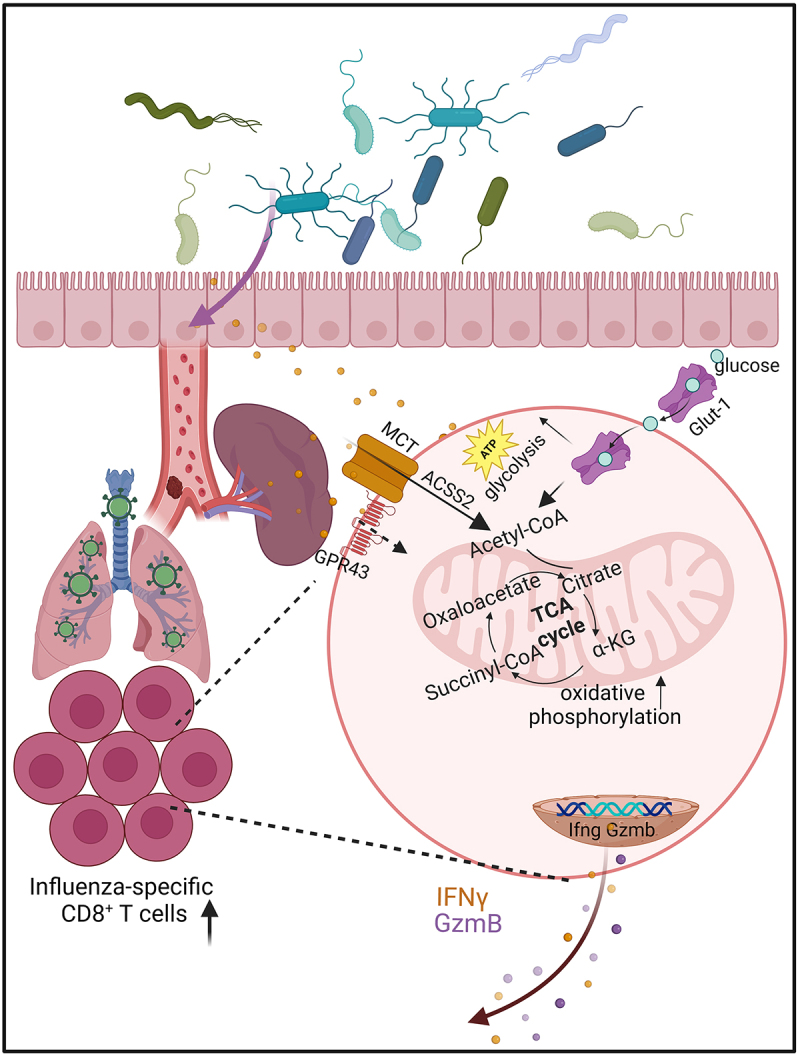
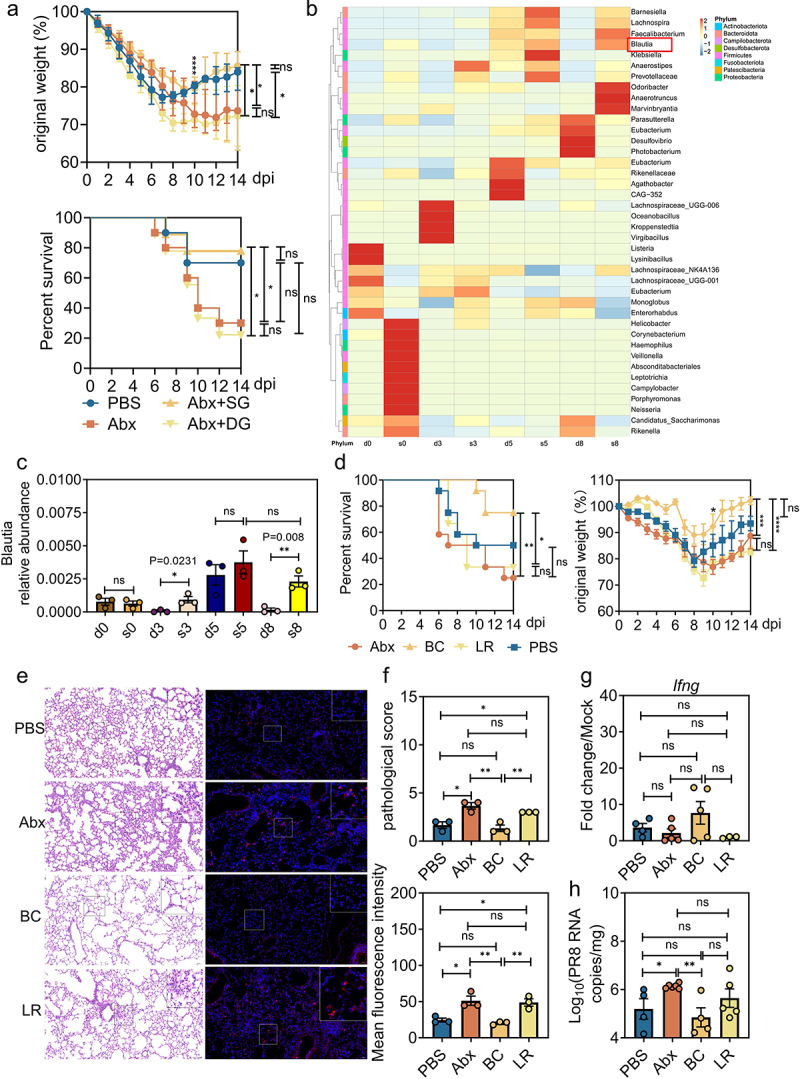
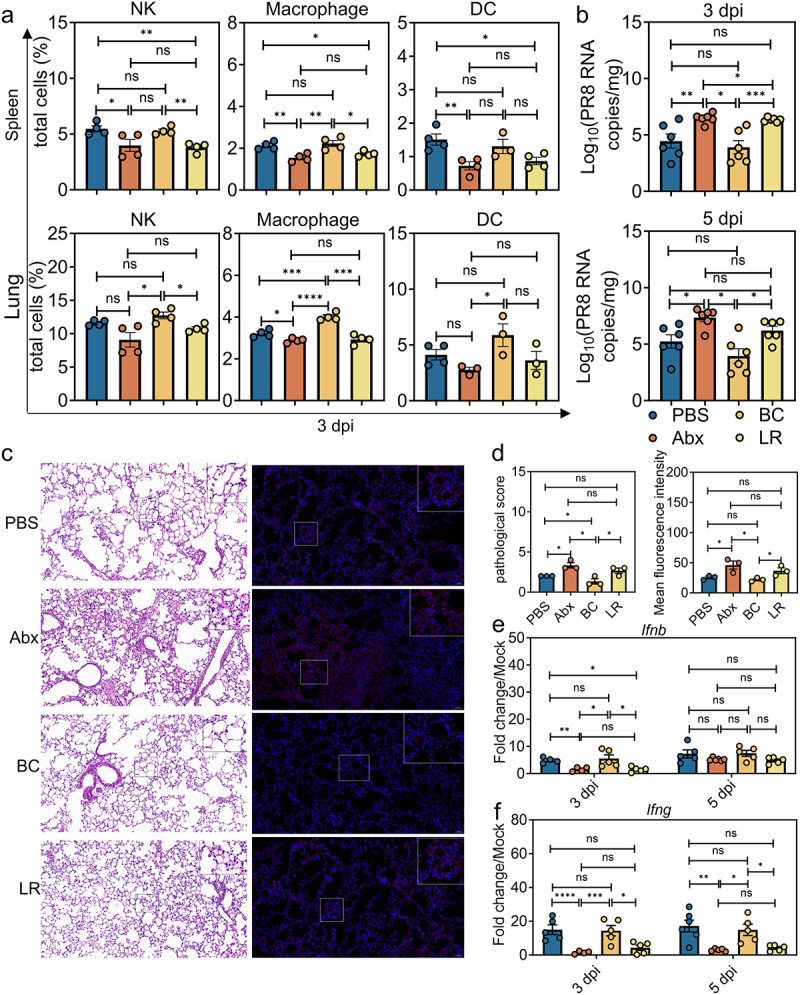
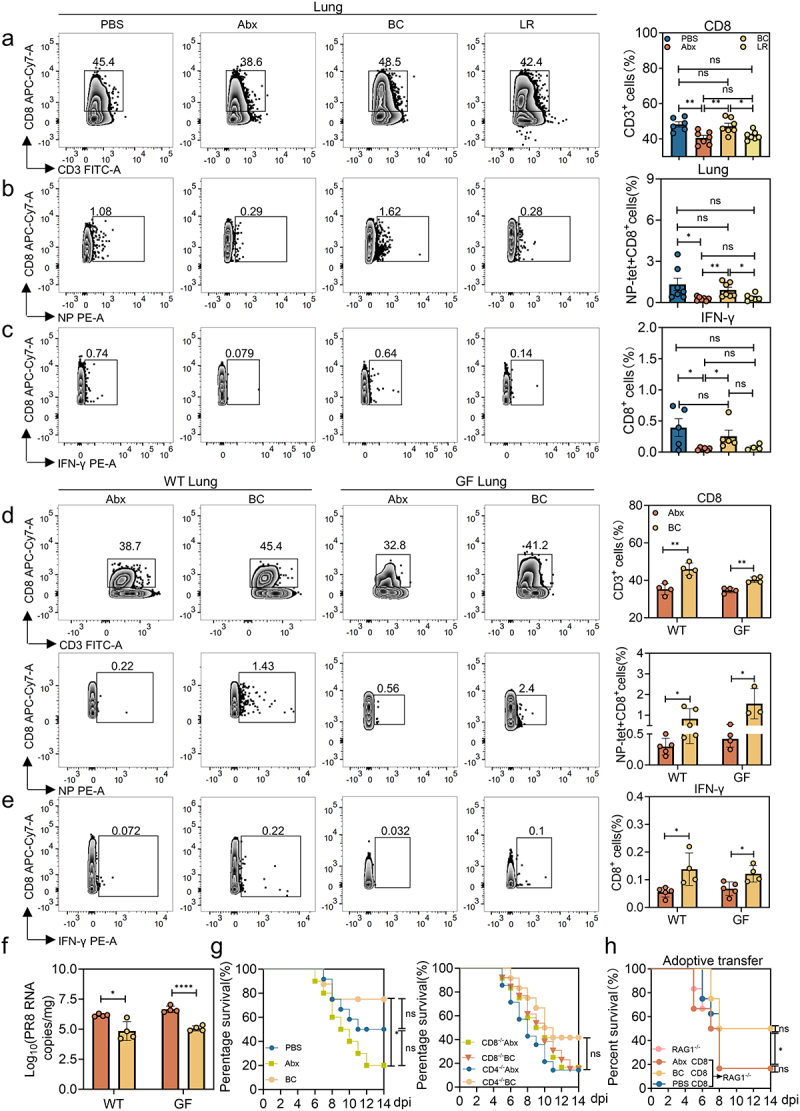
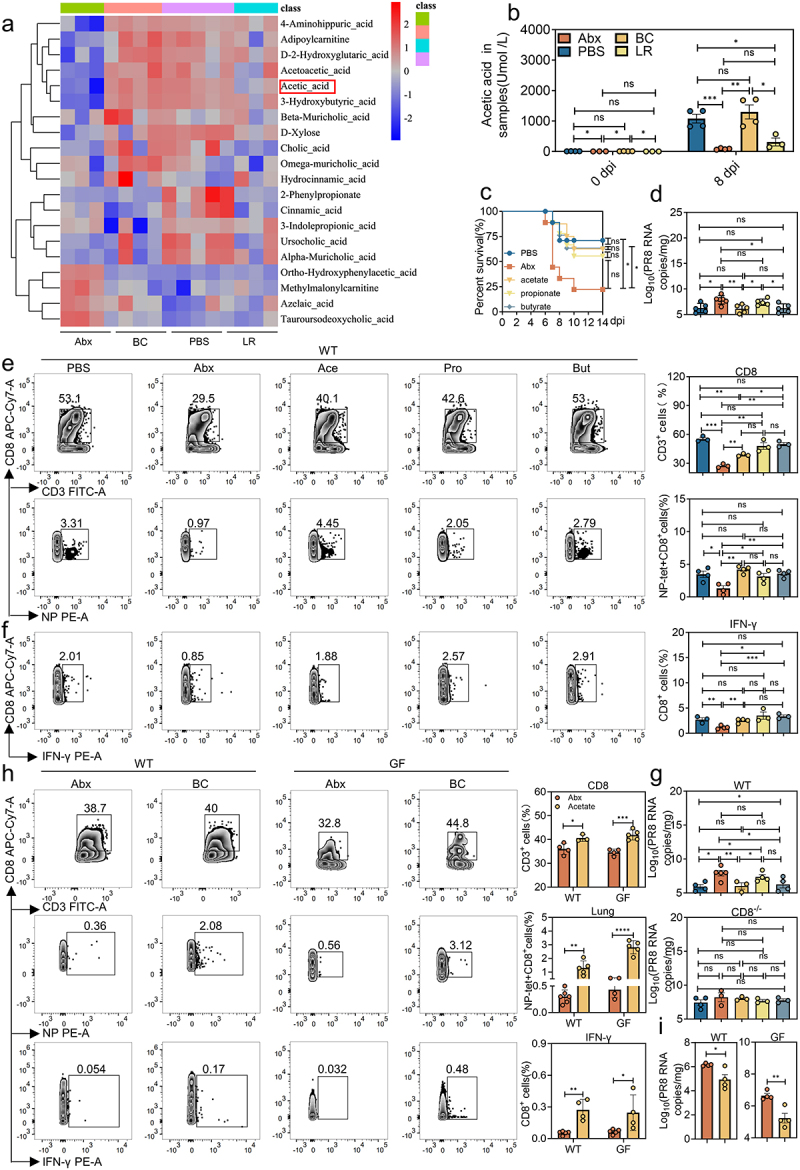
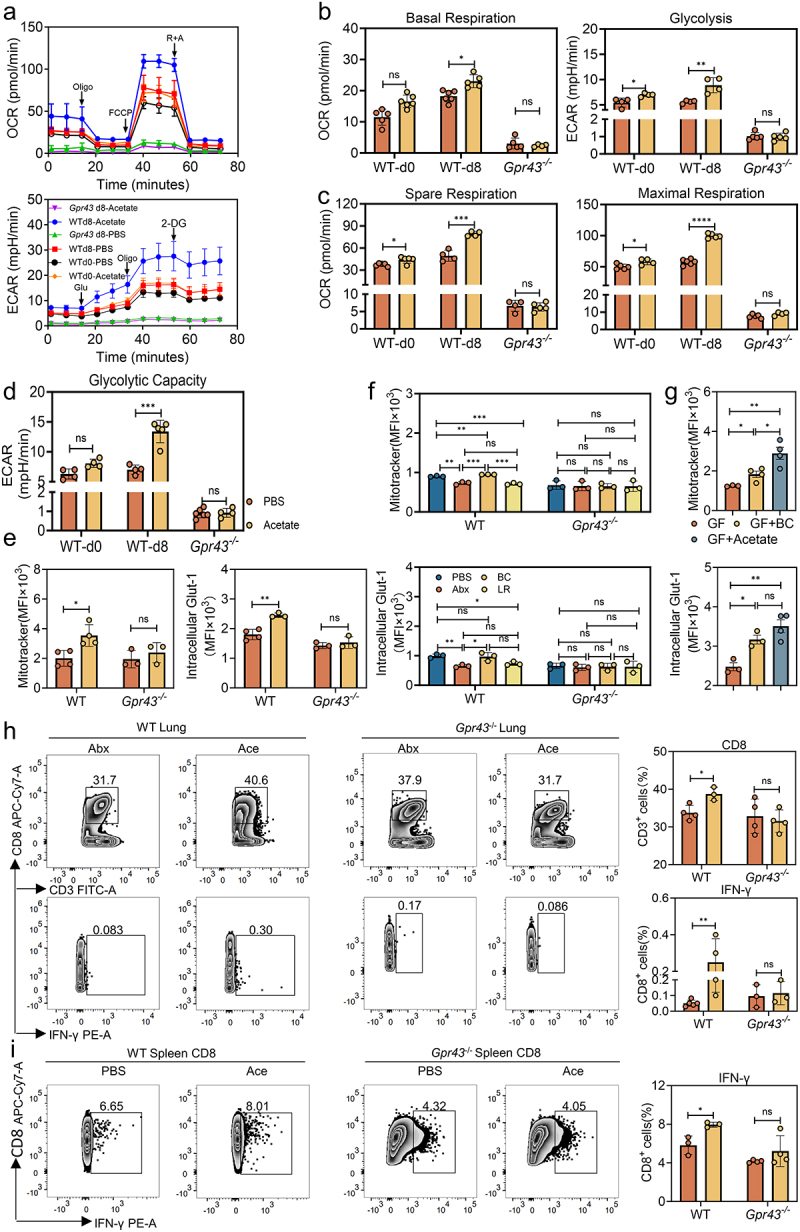
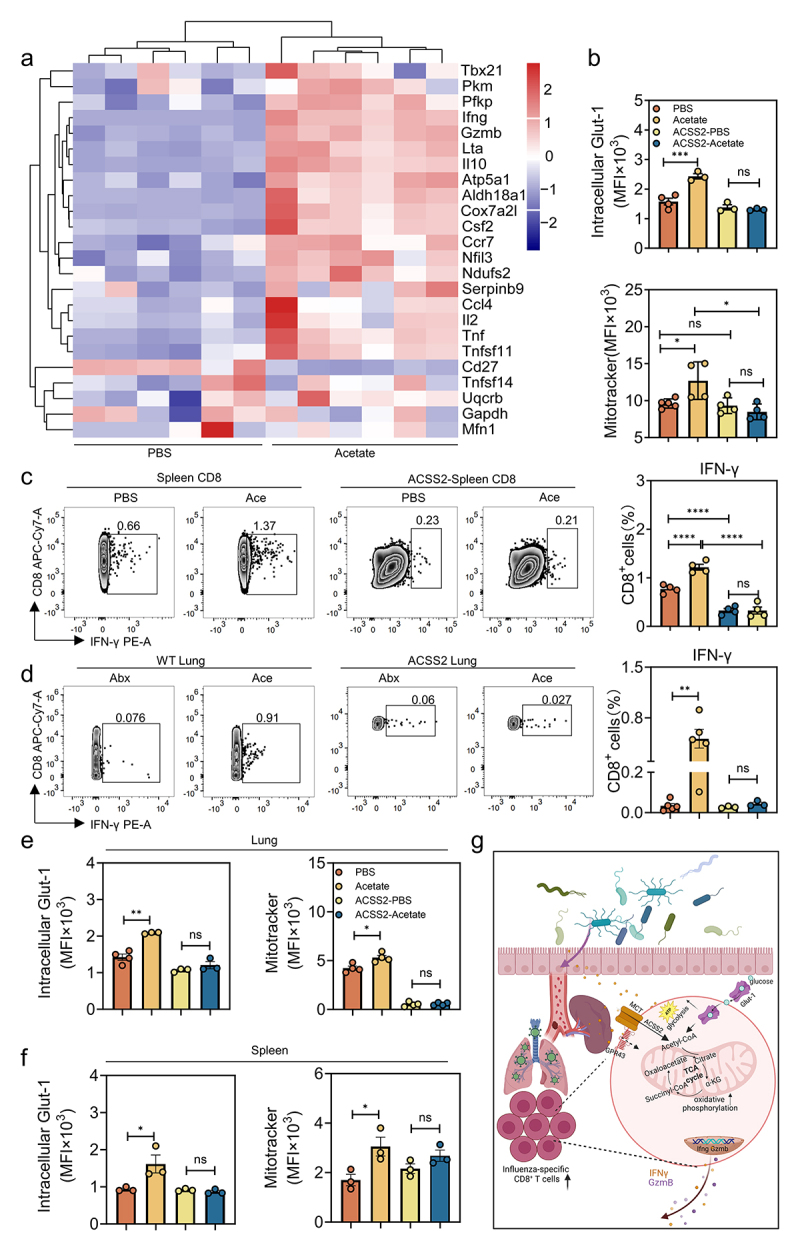
The microbiota-associated factors that affect host susceptibility and adaptive immunity to influenza A virus (IAV) infection have not been fully elucidated. By comparing the microbiota composition between survivors and mice that succumbed to IAV strain PR8 infection, we identified that the commensal bacterium Blautia coccoides protects antibiotics (Abx)-treated or germ-free (GF) mice from PR8 infection by inducing functionally optimal virus-specific CD8+ T cell responses. Administration of exogenous acetate reproduced the protective effect of B. coccoides monocolonization in Abx and GF mice, enhancing oxidative phosphorylation and glycolysis as well as secretion of IFN-γ and granzyme B in virus-specific CD8+ T cells, dependent on GPR43 signaling and acetyl-CoA synthetase 2. Thus, we have demonstrated that microbiota-derived acetate possesses an antiviral effect that induces an optimal virus-specific CD8+ T cell response to IAV PR8 infection via GPR43-dependent metabolic reprogramming.
Keywords: Blautia coccoides; GPR43; acetate; influenza virus; metabolic reprogramming; virus-specific CD8+ T cells.
Conflict of interest statement
No potential conflict of interest was reported by the author(s).
Figures
References
MeSH terms
Substances
LinkOut - more resources
Full Text Sources
Research Materials
