


Employing machine learning techniques for prediction of micronutrient supplementation status during pregnancy in East African Countries
- PMID: 39394461
- PMCID: PMC11470067
- DOI: 10.1038/s41598-024-75455-5
Employing machine learning techniques for prediction of micronutrient supplementation status during pregnancy in East African Countries
Abstract
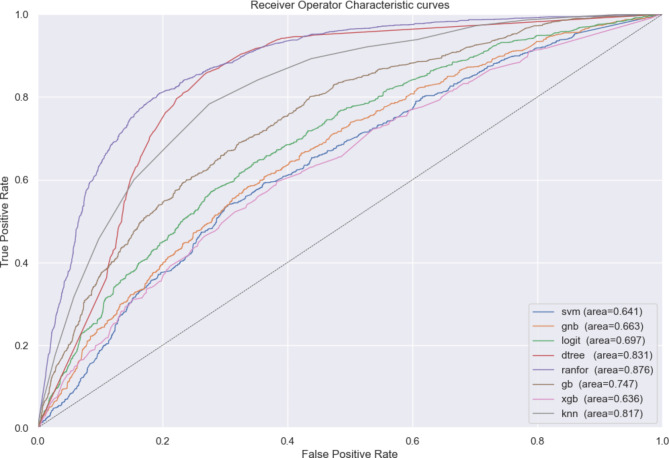
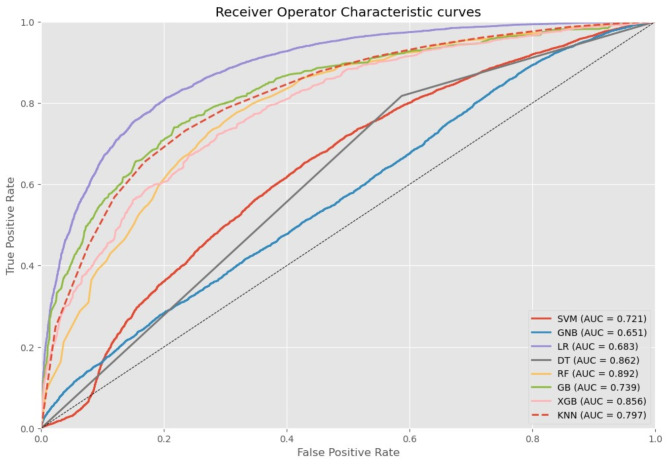
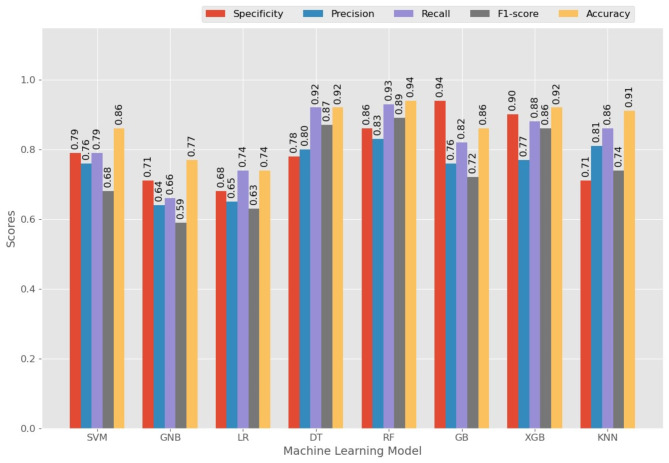
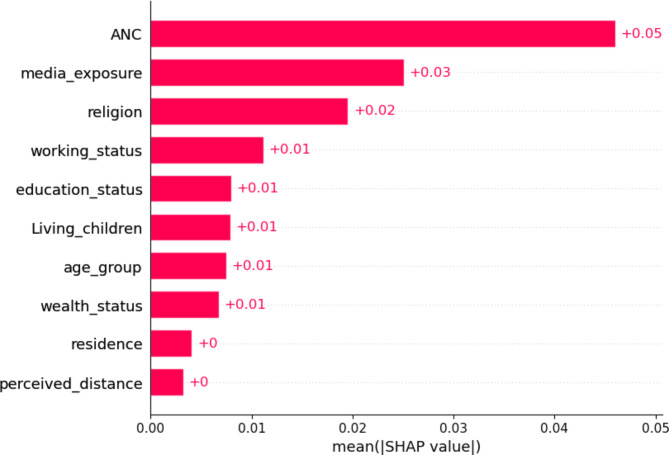
Micronutrient deficiencies, known as "hidden hunger" or "hidden malnutrition," pose a significant health risk to pregnant women, particularly in low-income countries like the East Africa region. This study employed eight advanced machine learning algorithms to predict the status of micronutrient supplementation among pregnant women in 12 East African countries, using recent demographic health survey (DHS) data. The analysis involved 138,426 study samples, and algorithm performance was evaluated using accuracy, area under the ROC curve (AUC), specificity, precision, recall, and F1-score. Among the algorithms tested, the random forest classifier emerged as the top performer in predicting micronutrient supplementation status, exhibiting excellent evaluation scores (AUC = 0.892 and accuracy = 94.0%). By analyzing mean SHAP values and performing association rule mining, we gained valuable insights into the importance of different variables and their combined impact, revealing hidden patterns within the data. Key predictors of micronutrient supplementation were the mother's education level, employment status, number of antenatal care (ANC) visits, access to media, number of children, and religion. By harnessing the power of machine learning algorithms, policymakers and healthcare providers can develop targeted strategies to improve the uptake of micronutrient supplementation. Key intervention components involve enhancing education, strengthening ANC services, and implementing comprehensive media campaigns that emphasize the importance of micronutrient supplementation. It is also crucial to consider cultural and religious sensitivities when designing interventions to ensure their effectiveness and acceptance within the specific population. Furthermore, researchers are encouraged to explore and experiment with various techniques to optimize algorithm performance, leading to the identification of the most effective predictors and enhanced accuracy in predicting micronutrient supplementation status.
Keywords: Demographic health survey; Machine learning algorithms; Micronutrient supplementation; Pregnant women.
© 2024. The Author(s).
Conflict of interest statement
The authors have declared that no competing interests exist.
Figures
References
-
- Corvallis Minerals Micronutrient Information Center, Oregon State University: Linus Pauling Institute; updated Nov 21, 2023. (2018). https://lpi.oregonstate.edu/mic
-
- WHO. Ambition and action in nutrition 2016–2025 Geneva: WHO. (2016). https://www.who.int/health-topics/micronutrients#tab=tab_1
-
- Godswill, A. G., Somtochukwu, I. V., Ikechukwu, A. O. & Kate, E. C. Health benefits of micronutrients (vitamins and minerals) and their associated deficiency diseases: a systematic review. Int. J. Food Sci. 3 (1), 1–32 (2020).
-
- Punia, S. & Kumar, M. Functionality and Application of Colored Cereals: Nutritional (Elsevier, 2022).
-
- Von Grebmer, K. et al. Synopsis: 2014 Global Hunger Index: The Challenge of Hidden Hunger (Intl Food Policy Res Inst, 2014).
MeSH terms
Substances
LinkOut - more resources
Full Text Sources
Medical
