


Vaccine hesitancy in context of COVID-19 in East Africa: systematic review and meta-analysis
- PMID: 39395943
- PMCID: PMC11470748
- DOI: 10.1186/s12889-024-20324-z
Vaccine hesitancy in context of COVID-19 in East Africa: systematic review and meta-analysis
Abstract
Background: The outbreak of the SARS-CoV-2 pandemic has had a significant impact on human lives, and the development of effective vaccines has been a promising solution to bring an end to the pandemic. However, the success of a vaccination program heavily relies on a significant portion of the population being vaccinated. Recent studies have indicated a rise in vaccine hesitancy over time and inconsistent factors affecting it. This study aimed to synthesis of the pooled prevalence of COVID-19 vaccine hesitancy and associated factors among various communities in East Africa.
Methods: The review encompassed relevant descriptive and observational studies conducted between January 1, 2020, and December 26, 2023. We browsed various databases, including PubMed, Google Scholar, Scopus, African online Journal, cross-references, and Web of Science. After extracted and exported to R the data analysis was performed using R version 4.2. Meta-package were used to estimate the pooled prevalence and factors of vaccine hesitancy. Publication bias was assessed through funnel plots, Egger's test, and trim-and-fill methods.
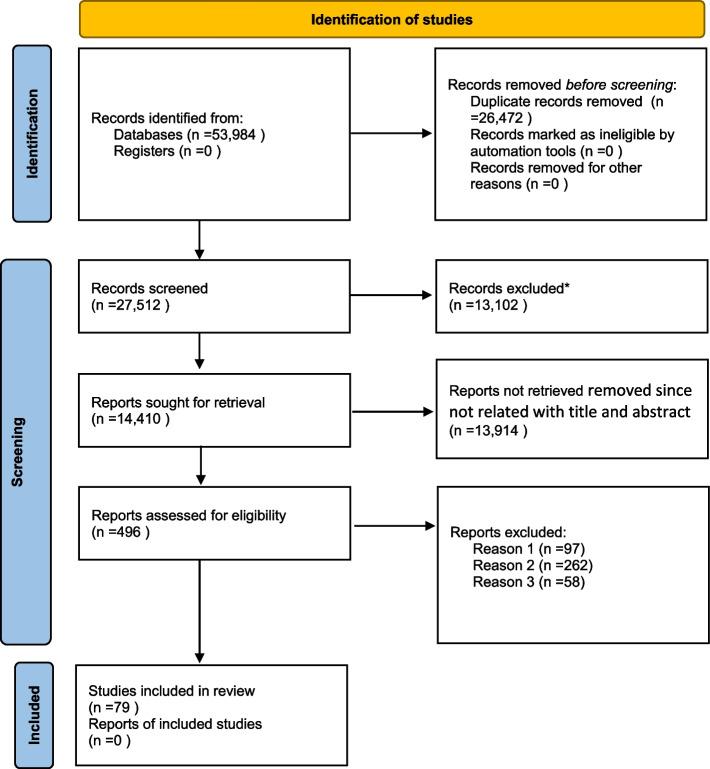
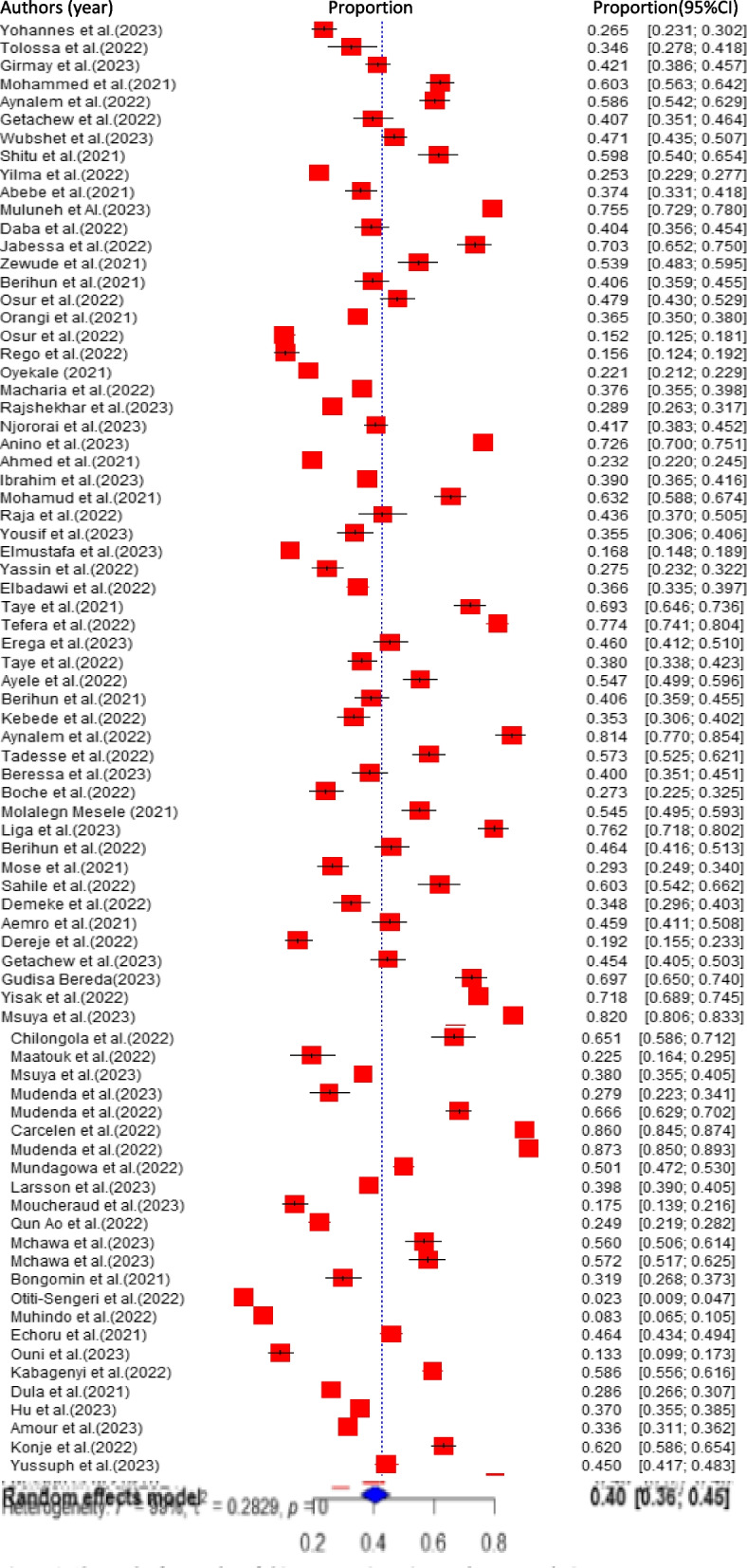
Results: After carefully screening an initial pool of 53,984 studies, a total of 79 studies were included in this systematic review and meta-analysis. The overall pooled prevalence of vaccine hesitancy was 40.40% (95% CI: 35.89%; 45.47%, I2: 99.5%). Identified factors influencing vaccine hesitance were female sex, under 40 years old, inadequate prevention practices, relying on web/internet as a source of information, having a negative attitude towards the vaccine, uncertainty about vaccine safety, fear of adverse effects, uncertainty about contracting COVID-19, and belief in conspiracy myths.
Conclusions: Approximately four out of ten individuals in this region express hesitancy towards vaccination. A tailored approach that considers the socio-demographic context could significantly reduce this hesitancy. To achieve high vaccination coverage, a comprehensive strategy is essential, necessitating substantial social, scientific, and health efforts. The success of vaccination campaigns within this population relies on the widespread and consistent implementation of effective interventions.
Registration: Registered in PROSPERO with ID: CRD42024501415.
Keywords: COVID-91; East Africa; Hesitancy; SARS-COV-19; Vaccine.
© 2024. The Author(s).
Conflict of interest statement
The authors declare that have no competing interest.
Figures
References
-
- World Health Organization. WHO Director-General's opening remarks at the media briefing on COVID-19 - 11 March 2020. 2020 [cited 2024 January 1]. Available from: https://www.who.int/directorgeneral/speeches/detail/who-director-general....
-
- World Health Organization. WHO Declares Public Health Emergency for Novel Coronavirus. 2020 [cited 2024 January 1]. Available from: https://www.medscape.com/viewarticle/924596.
-
- Baye, K., COVID-19 prevention measures in Ethiopia: current realities and prospects. Intl Food Policy Res Inst. 2020:141
-
- World health organization. Achieving 70% COVID-19 Immunization Coverage by Mid-2022. 23 December 2021; Available from: https://www.who.int/news/item/23-12-2021-achieving-70-covid-19-immunizat.... Cited 07 Aug 2024.
Publication types
MeSH terms
Substances
LinkOut - more resources
Full Text Sources
Medical
Miscellaneous
