


Temporal Dynamics of Neural Response to Drug Cues in abstinent Methamphetamine Users
- PMID: 39403362
- PMCID: PMC11470891
- DOI: 10.32598/bcn.2021.3126.1
Temporal Dynamics of Neural Response to Drug Cues in abstinent Methamphetamine Users
Abstract
Introduction: Cue-induced craving is central to addictive disorders. Most cue-reactivity functional magnetic resonance imaging studies are analyzed statically and report averaged signals, disregarding the dynamic nature of craving and task fatigue. Accordingly, this study investigates temporal dynamics of the neural response to drug cues as a functional magnetic resonance imaging study among methamphetamine users.
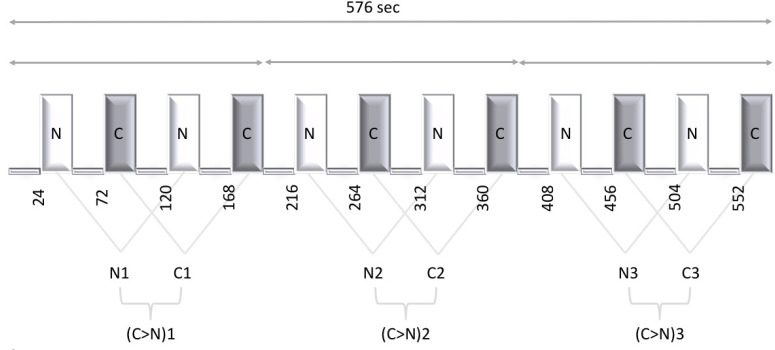
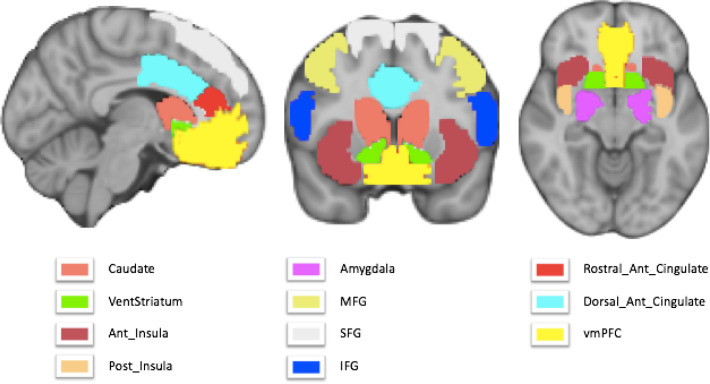
Methods: A total of 32 early abstinent methamphetamine users underwent functional magnetic resonance imaging while viewing visual methamphetamine cues. A craving > neutral contrast was obtained in regions of interest. To explore the changes over time, the pre-processed signal was divided into three intervals. Contrast estimates were calculated within each interval, and were compared using the analysis of variance followed by the post hoc t-tests. The results were compared with those from a static analysis across all blocks.
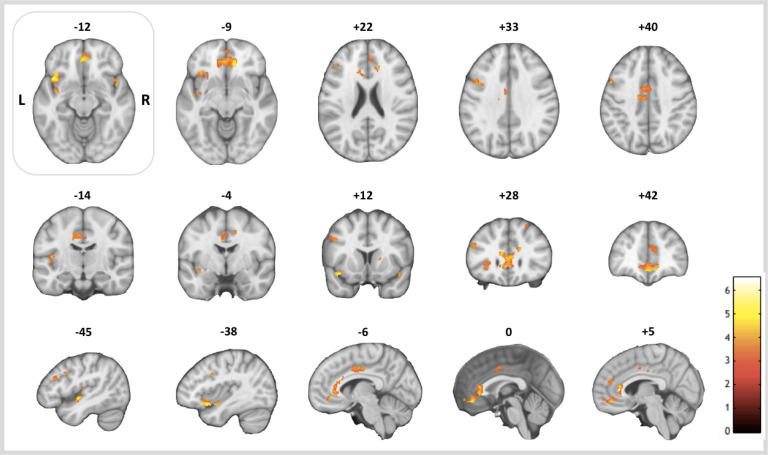
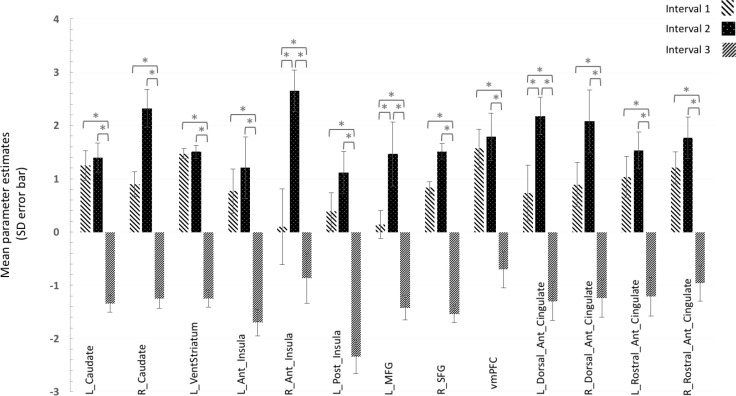
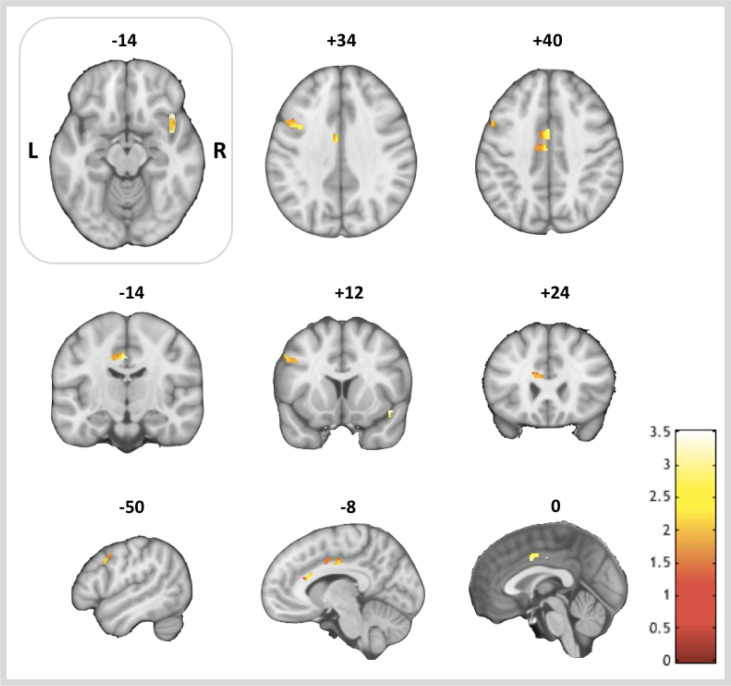
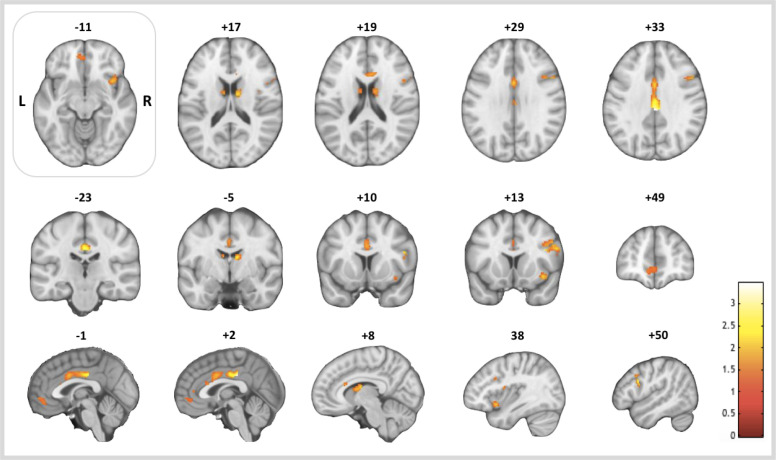
Results: A priori expected activations in the prefrontal cortex, insula, and striatum not detected by static analysis were discovered by the dynamic analysis. Post hoc tests revealed distinct temporal activation patterns in several regions. Most patterns showed rapid activation (including both ventral/dorsal striata and most regions in the prefrontal, insular, and cingulate cortices), whereas some had delayed activation (the right anterior insula, left middle frontal gyrus, and left dorsal anterior cingulate cortex).
Conclusion: This study provided preliminary insights into the temporal dynamicity of cue-reactivity, and the potential of a conventional blocked-design task to consider it as a simple dynamic analysis. We highlight regional activations that were only uncovered by dynamic analysis and discuss the interesting and theoretically expected early versus late regional activation patterns. Rapidly activated regions are mostly those involved in the earlier stages of cue reactivity, while regions with later activation participate in cognitive functions relevant later, such as reappraisal, interoception, and executive control.
Keywords: Addiction; Craving; Cue reactivity; Functional magnetic resonance imaging (fMRI); Methamphetamine.
Copyright© 2024 Iranian Neuroscience Society.
Figures
References
-
- American Psychiatric Association, DSM-5 Task Force . (2013). Diagnostic and statistical manual of mental disorders: DSM-5™. Washington, D.C: American Psychiatric Publishing, Inc. [DOI:10.1176/appi.books.9780890425596] - DOI
-
- American Psychiatric Association. (2000). Diagnostic and statistical manual of mental disorders. Washington, DC: American Psychiatric Association. [https://cir.nii.ac.jp/crid/1573950399819987840]
LinkOut - more resources
Full Text Sources