


Optimization of Liquid Fermentation of Acanthopanax senticosus Leaves and Its Non-Targeted Metabolomics Analysis
- PMID: 39407675
- PMCID: PMC11478309
- DOI: 10.3390/molecules29194749
Optimization of Liquid Fermentation of Acanthopanax senticosus Leaves and Its Non-Targeted Metabolomics Analysis
Abstract
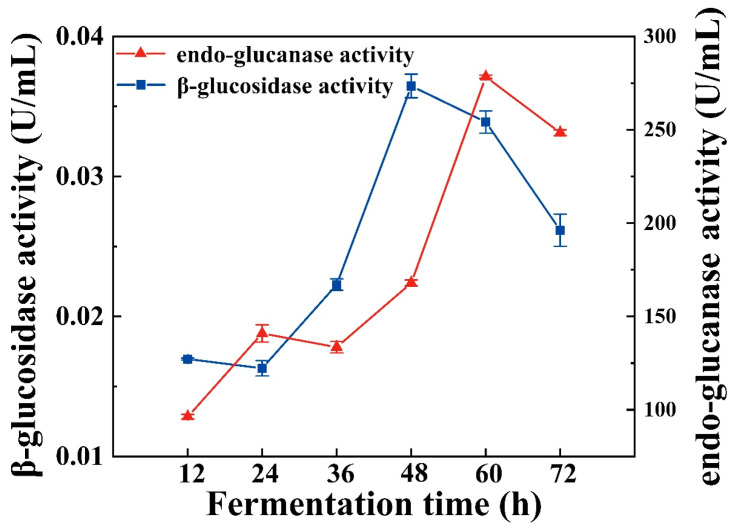
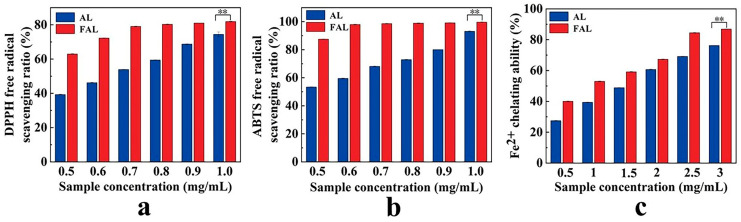
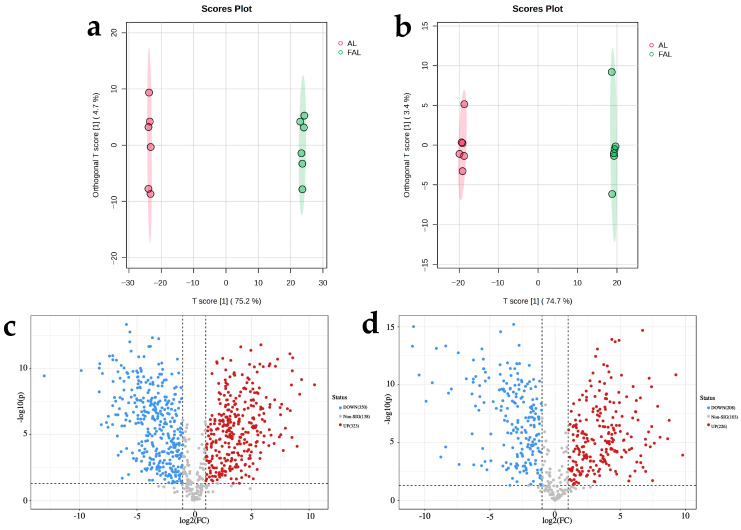
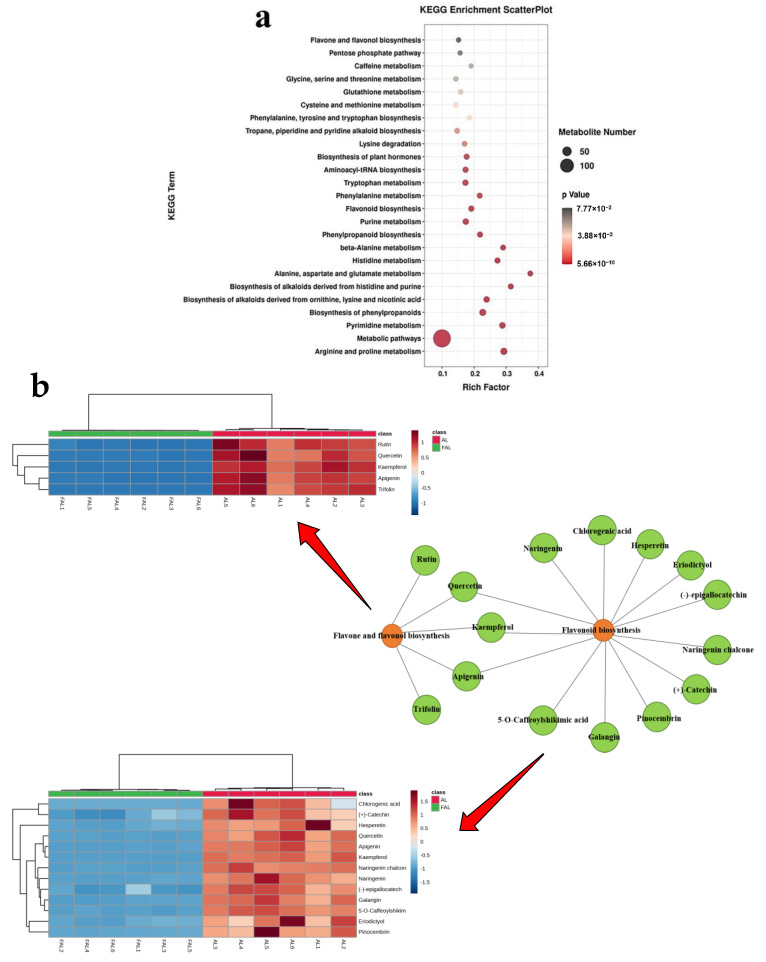
To enhance the nutritional value of Acanthopanax senticosus leaves (AL), a fermentation process was conducted using a probiotic Bacillus mixture, and the changes in chemical constituents and biological activities before and after fermentation were compared. A response surface methodology was employed to optimize the liquid fermentation conditions of AL based on their influence on polyphenol content. Non-targeted metabolomics analysis was performed using LC-MS/MS to reveal the differing profiles of compounds before and after fermentation. The results indicated that Bacillus subtilis LK and Bacillus amyloliquefaciens M2 significantly influenced polyphenol content during fermentation. The optimal fermentation conditions were determined to be a fermentation time of 54 h, a temperature of 39.6 °C, and an inoculum size of 2.5% (v/v). In comparison to unfermented AL, the total polyphenol and flavonoid contents, as well as the free radical scavenging capacities measured by DPPH and ABTS assays, and the activities of β-glucosidase and endo-glucanase, were significantly increased. The non-targeted metabolomics analysis identified 1348 metabolites, of which 829 were classified as differential metabolites. A correlation analysis between the differential metabolites of polyphenols, flavonoids, and antioxidant activity revealed that 13 differential metabolites were positively correlated with antioxidant activity. Kyoto encyclopedia of genes and genomes (KEGG) enrichment analysis of the differential metabolites identified 82 pathways, with two of the top 25 metabolic pathways related to flavonoids. This study explores the potential for enhancing the active ingredients and biological effects of AL through probiotic fermentation using Bacillus strains.
Keywords: Acanthopanax senticosus leaves; complex probiotic; fermentation; non-targeted metabolomics.
Conflict of interest statement
The authors declare no conflicts of interest.
Figures







References
-
- Tohda C., Matsui M., Inada Y., Yang X., Kuboyama T., Kimbara Y., Watari H. Combined Treatment with Two Water Extracts of Eleutherococcus senticosus Leaf and Rhizome of Drynaria fortunei Enhances Cognitive Function: A Placebo-Controlled, Randomized, Double-Blind Study in Healthy Adults. Nutrients. 2020;12:303. doi: 10.3390/nu12020303. - DOI - PMC - PubMed
MeSH terms
Substances
Grants and funding
LinkOut - more resources
Full Text Sources
