


Review to Elucidate the Correlation between Cuproptosis-Related Genes and Immune Infiltration for Enhancing the Detection and Treatment of Cervical Cancer
- PMID: 39408933
- PMCID: PMC11477161
- DOI: 10.3390/ijms251910604
Review to Elucidate the Correlation between Cuproptosis-Related Genes and Immune Infiltration for Enhancing the Detection and Treatment of Cervical Cancer
Abstract
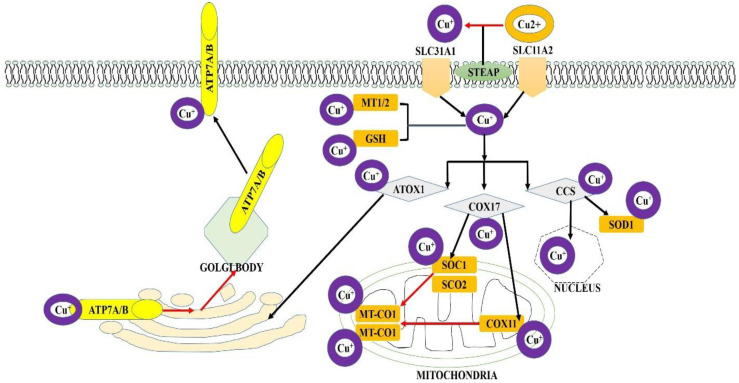
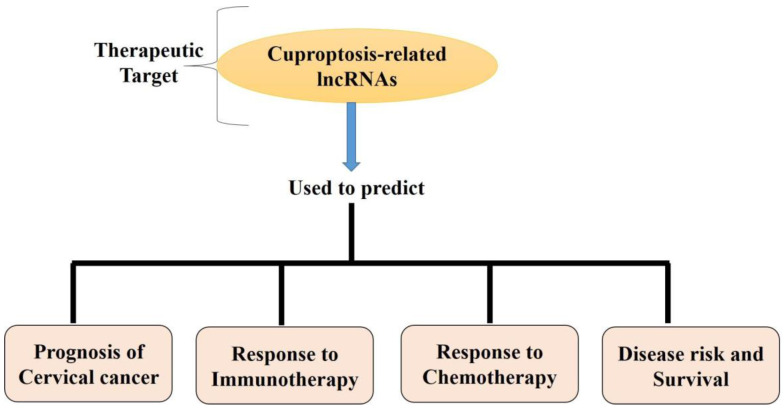
Copper is a vital trace element in oxidized and reduced forms. It plays crucial roles in numerous biological events such as redox chemistry, enzymatic reactions, mitochondrial respiration, iron metabolism, autophagy, and immune modulation. Maintaining the balance of copper in the body is essential because its deficiency and excess can be harmful. Abnormal copper metabolism has a two-fold impact on the development of tumors and cancer treatment. Cuproptosis is a form of cell death that occurs when there is excessive copper in the body, leading to proteotoxic stress and the activation of a specific pathway in the mitochondria. Research has been conducted on the advantageous role of copper ionophores and chelators in cancer management. This review presents recent progress in understanding copper metabolism, cuproptosis, and the molecular mechanisms involved in using copper for targeted therapy in cervical cancer. Integrating trace metals and minerals into nanoparticulate systems is a promising approach for controlling invasive tumors. Therefore, we have also included a concise overview of copper nanoformulations targeting cervical cancer cells. This review offers comprehensive insights into the correlation between cuproptosis-related genes and immune infiltration, as well as the prognosis of cervical cancer. These findings can be valuable for developing advanced clinical tools to enhance the detection and treatment of cervical cancer.
Keywords: cervical cancer; copper; cuproptosis; immunotherapy; long coding RNAs; metabolism.
Conflict of interest statement
The authors declare that they have no known competing financial interests or personal relationships that could have appeared to influence the work reported in this paper.
Figures

References
-
- El-Kady A.A., Abdel-Wahhab M.A. Occurrence of trace metals in foodstuffs and their health impact. Trends Food Sci. Technol. 2018;75:36–45. doi: 10.1016/j.tifs.2018.03.001. - DOI
Publication types
MeSH terms
Substances
Grants and funding
LinkOut - more resources
Full Text Sources
Medical
