


Are pragmatism and ethical protections in clinical trials a zero-sum game?
- PMID: 39410779
- PMCID: PMC11809111
- DOI: 10.1177/17407745241284798
Are pragmatism and ethical protections in clinical trials a zero-sum game?
Abstract
Background: Randomized controlled trials with pragmatic intent aim to generate evidence that directly informs clinical decisions. Some have argued that the ethical protection of informed consent can be in tension with the goals of pragmatism. But the impact of other ethical protections on trial pragmatism has yet to be explored.
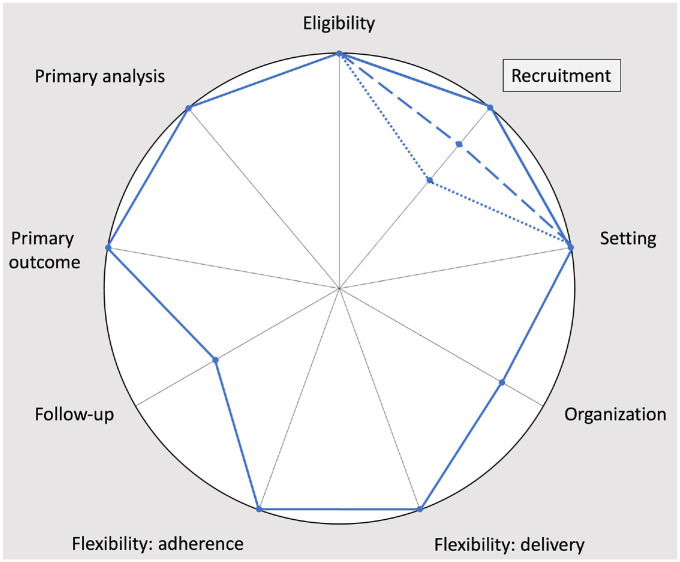
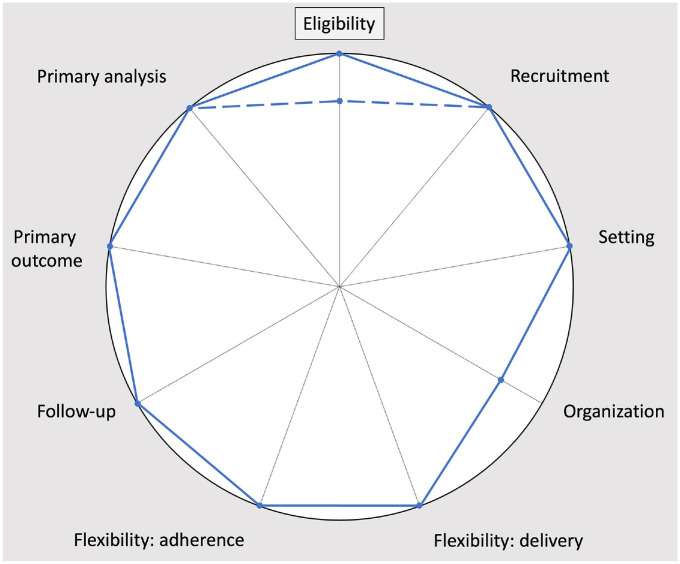
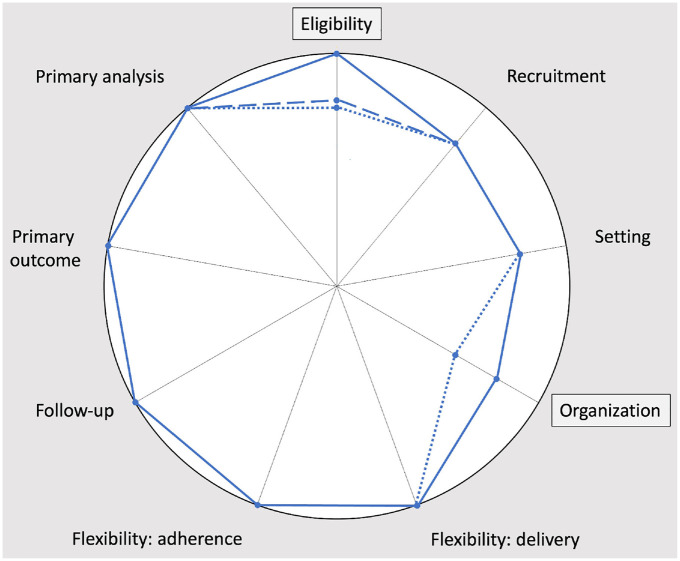
Purpose: In this article, we analyze the relationship between additional ethical protections for vulnerable participants and the degree of pragmatism within the PRagmatic Explanatory Continuum Indicator Summary-2 (PRECIS-2) domains of trial design.
Methods: We analyze three example trials with pragmatic intent that include vulnerable participants.
Conclusion: The relationship between ethical protections and trial pragmatism is complex. In some cases, additional ethical protections for vulnerable participants can promote the pragmatism of some of the PRECIS-2 domains of trial design. When designing trials with pragmatic intent, researchers ought to look for opportunities wherein ethical protections enhance the degree of pragmatism.
Keywords: Pragmatic trials; critical care; geriatrics; psychiatry; research ethics; vulnerability.
Conflict of interest statement
Declaration of conflicting interestsThe author(s) declared the following potential conflicts of interest with respect to the research, authorship, and/or publication of this article: C.W. receives consulting income from Cardialen, Eli Lilly & Company. H.P.N. is a co-author of the published PRiVII Trial protocol and is a member of the research team coordinating the trial. M.T. has no conflicts of interest to declare.
Figures
References
-
- Schwartz D, Lellouch J. Explanatory and pragmatic attitudes in therapeutic trials. J Chron Dis 1967; 20: 637–648. - PubMed
-
- Loudon K, Trweek S, Sullivan F, et al. The PRECIS-2 tool: designing trials that are fit for purpose. BMJ 2015; 350: h2147. - PubMed
-
- Ford I, Norrie J. Pragmatic trials. N Engl J Med 2016; 375: 454–463. - PubMed
-
- Pletcher MJ, Lo B, Grady D. Informed consent in randomized quality improvement trials: a critical barrier for learning health systems. JAMA Intern Med 2014; 174(5): 668–670. - PubMed
MeSH terms
Grants and funding
LinkOut - more resources
Full Text Sources
