


Surgical stabilization of rib fractures (SSRF): the WSES and CWIS position paper
- PMID: 39425134
- PMCID: PMC11487890
- DOI: 10.1186/s13017-024-00559-2
Surgical stabilization of rib fractures (SSRF): the WSES and CWIS position paper
Erratum in
-
Correction: Surgical stabilization of rib fractures (SSRF): the WSES and CWIS position paper.World J Emerg Surg. 2025 Jan 29;20(1):8. doi: 10.1186/s13017-024-00568-1. World J Emerg Surg. 2025. PMID: 39881319 Free PMC article. No abstract available.
Abstract
Background: Rib fractures are one of the most common traumatic injuries and may result in significant morbidity and mortality. Despite growing evidence, technological advances and increasing acceptance, surgical stabilization of rib fractures (SSRF) remains not uniformly considered in trauma centers. Indications, contraindications, appropriate timing, surgical approaches and utilized implants are part of an ongoing debate. The present position paper, which is endorsed by the World Society of Emergency Surgery (WSES), and supported by the Chest Wall Injury Society, aims to provide a review of the literature investigating the use of SSRF in rib fracture management to develop graded position statements, providing an updated guide and reference for SSRF.
Methods: This position paper was developed according to the WSES methodology. A steering committee performed the literature review and drafted the position paper. An international panel of experts then critically revised the manuscript and discussed it in detail, to develop a consensus on the position statements.
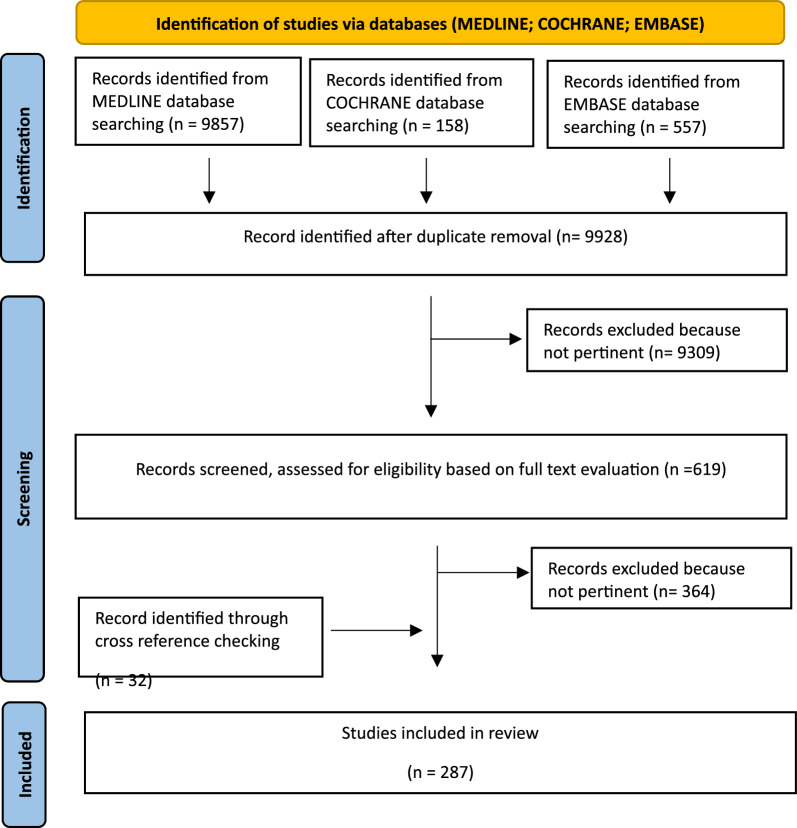
Results: A total of 287 studies (systematic reviews, randomized clinical trial, prospective and retrospective comparative studies, case series, original articles) have been selected from an initial pool of 9928 studies. Thirty-nine graded position statements were put forward to address eight crucial aspects of SSRF: surgical indications, contraindications, optimal timing of surgery, preoperative imaging evaluation, rib fracture sites for surgical fixation, management of concurrent thoracic injuries, surgical approach, stabilization methods and material selection.
Conclusion: This consensus document addresses the key focus questions on surgical treatment of rib fractures. The expert recommendations clarify current evidences on SSRF indications, timing, operative planning, approaches and techniques, with the aim to guide clinicians in optimizing the management of rib fractures, to improve patient outcomes and direct future research.
Keywords: Consensus; Flail chest; Guidelines; Minimally invasive plating osteosynthesis (MIPO); Multiple rib fractures; Operative reduction and internal fixation (ORIF); Rib fixation; Rib fractures; Surgical stabilization of rib fractures (SSRF); Thoracic/chest trauma injury; Video-assisted thoracoscopy surgery (VATS).
© 2024. The Author(s).
Conflict of interest statement
The authors declare no competing interests.
Figures
References
-
- Benhamed A, Ndiaye A, Emond M, Lieutaud T, Boucher V, Gossiome A, Laumon B, Gadegbeku B, Tazarourte K. Road traffic accident-related thoracic trauma: epidemiology, injury pattern, outcome, and impact on mortality-A multicenter observational study. PLoS ONE. 2022;17(5):e0268202. 10.1371/journal.pone.0268202. - DOI - PMC - PubMed
-
- Eriksson EA, Wijffels MME, Kaye A, Forrester JD, Moutinho M, Majerick S, Bauman ZM, Janowak CF, Patel B, Wullschleger M, Clevenger L, Van Lieshout EMM, Tung J, Woodfall M, Hill TR, White TW, Doben AR. Incidence of surgical rib fixation at chest wall injury society collaborative centers and a guide for expected number of cases (CWIS-CC1). Eur J Trauma Emerg Surg. 2023. 10.1007/s00068-023-02343-4. - DOI - PubMed
